
During my eight years working at Miller Attics, I have answered thousands of frantic phone calls from homeowners dealing with unwanted pests. I hear the same frustration in their voices every single time. Usually, they have spent weeks setting traps, laying down bait, and hoping the problem simply disappears. Unfortunately, I always have to deliver the same tough news: catching a few mice will never solve your underlying structural problem. To permanently protect your property, you must physically stop these animals from getting inside in the first place. In our industry, we call this critical process rodent exclusion.
Today, I want to step back from the daily grind of attic inspections and share my professional knowledge with you. I will explain exactly how we secure homes, why traditional pest control falls short, and how you can identify vulnerabilities around your own property. Furthermore, I will share some practical examples from my fieldwork to illustrate how these tiny invaders manipulate building materials to their advantage.
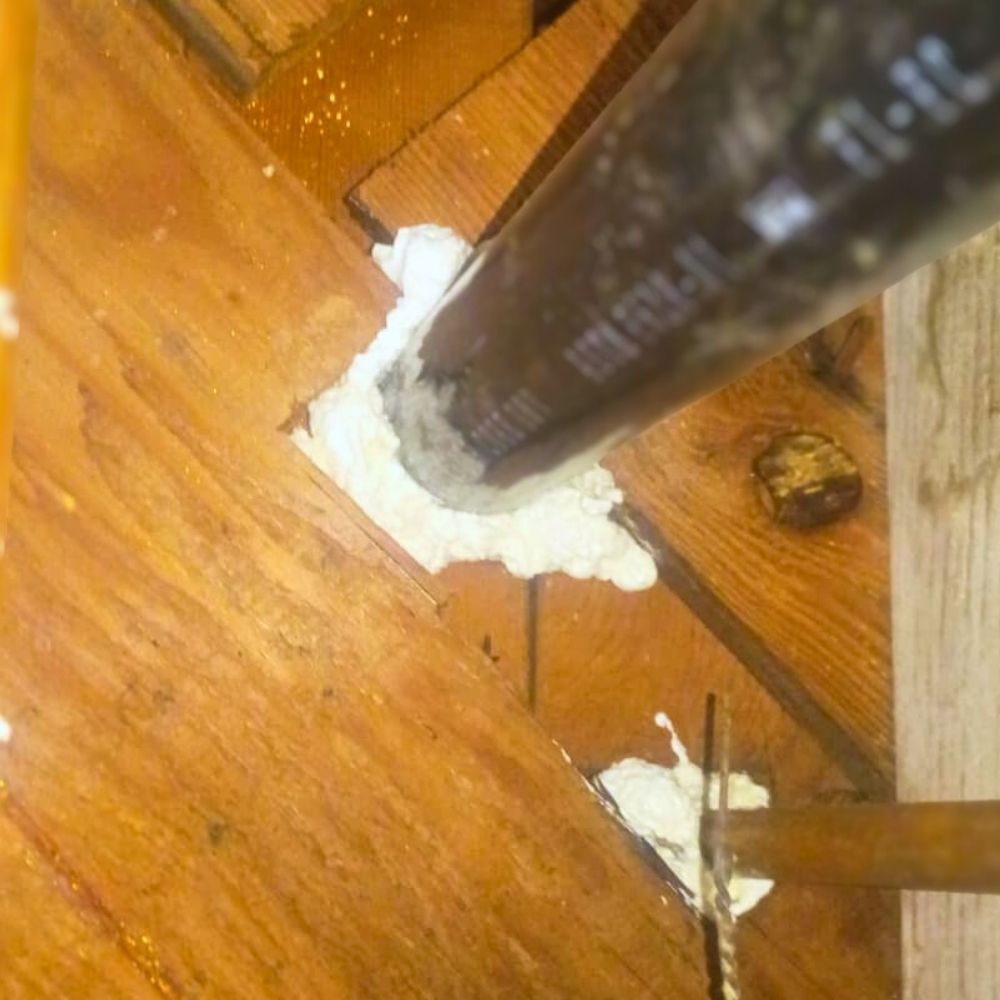
Moving Beyond Traps and Poisons
To understand why rodent exclusion matters, you first need to understand the fundamental flaws of traditional extermination methods. When you place a trap in your kitchen and catch a mouse, you only eliminate one immediate nuisance. You do not address the environmental factors that brought the mouse inside. Consequently, you leave the actual entry point wide open for the next opportunistic critter.
Rodents possess an incredible sense of smell. As they travel through your walls and attic spaces, they constantly leave behind urine, droppings, and pheromone trails. These chemical markers act like a neon billboard for other animals in the neighborhood. The scent essentially broadcasts that your home provides warmth, safety, and a reliable food source. Therefore, even if you successfully remove the current infestation, new mice will eventually follow those established scent trails right back into your living space.
Furthermore, rodents reproduce at an astonishing rate. A single female mouse can produce up to ten litters a year, with each litter containing half a dozen pups. If you rely solely on bait stations, you engage in an endless, losing battle against their breeding cycle. By implementing proper rodent exclusion, I completely cut off their access. I shift the focus from reactive elimination to proactive fortification, ensuring that the breeding cycle never occurs inside your walls.
Professional rodent exclusion services
When homeowners finally recognize that DIY trapping yields limited results, they typically begin searching for permanent solutions. This is precisely the moment when you need professional rodent exclusion services.
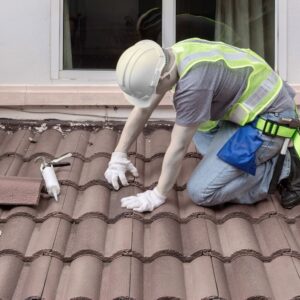
As a technician, I approach every house like a fortress that needs securing. I never just walk around the perimeter and spray a little expanding foam into obvious cracks. Instead, I conduct an exhaustive, methodical inspection of the entire architectural envelope. I climb onto the roof to examine the chimney flashing, the ridge vents, and the intersection where different rooflines meet. I inspect the soffits and fascia boards for any signs of gnawing or rot. Next, I examine the ground level, paying close attention to foundation cracks, crawlspace doors, and the areas where HVAC conduits enter the exterior walls.
When you hire experts to perform rodent exclusion services, you benefit from our specialized knowledge of animal behavior. I know that a standard house mouse can compress its ribcage and squeeze through a gap the size of a dime. Similarly, I know a mature rat can force its way through a hole the size of a quarter. Because I understand these biological capabilities, I look for vulnerabilities that the average homeowner easily overlooks. I meticulously locate every single dime-sized gap and prepare to seal it permanently.
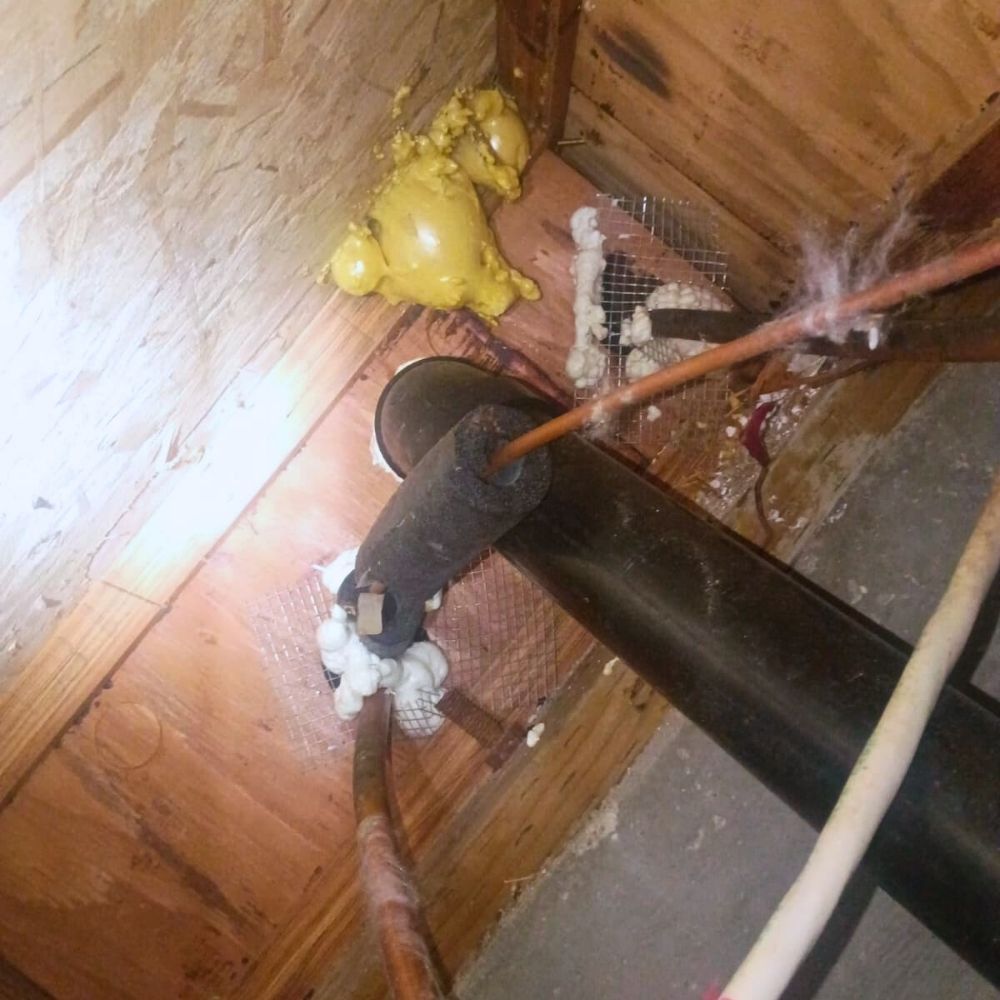
Materials That Fight Back
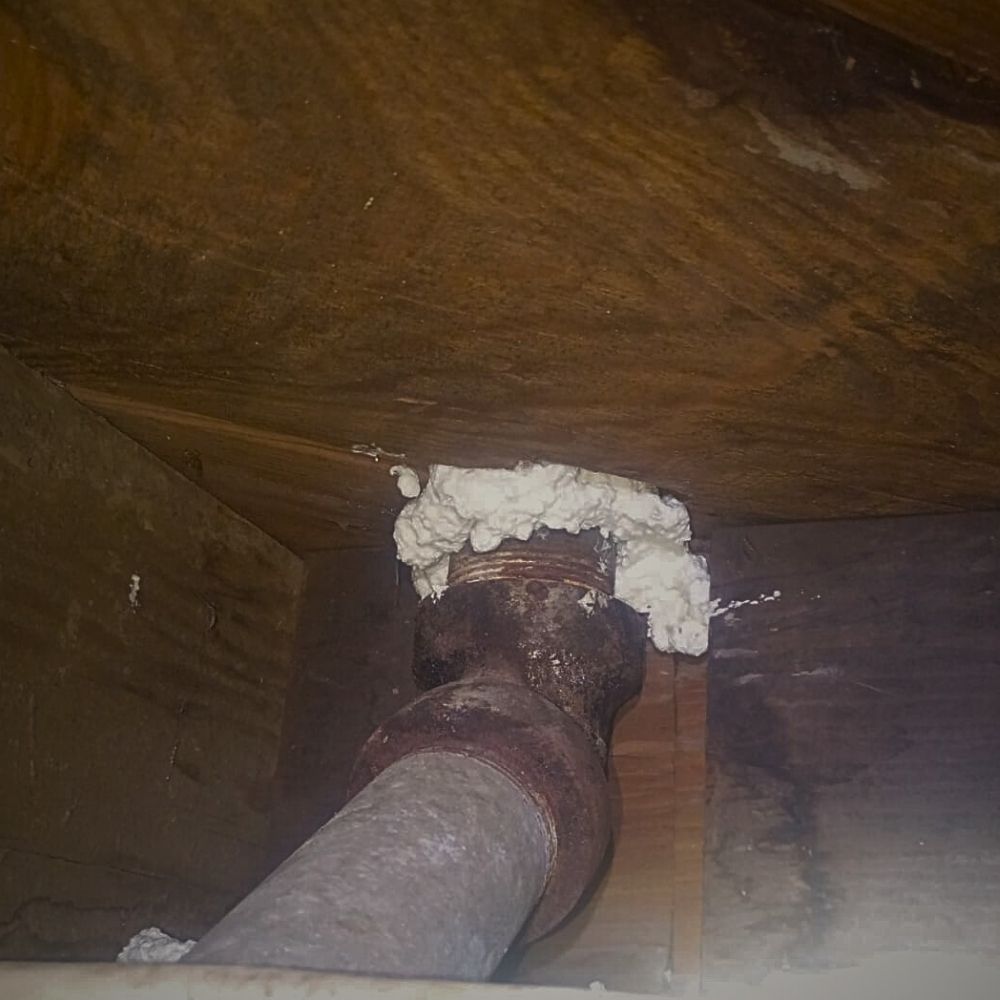
One of the biggest mistakes I see homeowners make involves choosing the wrong materials for DIY repairs. I often find gaps stuffed with steel wool or filled with cheap, standard spray foam. Unfortunately, rodents easily defeat these materials. Steel wool rusts and degrades over time, especially when exposed to exterior moisture. Meanwhile, standard spray foam offers absolutely no resistance to a rat’s teeth. In fact, I have observed rats chewing through fresh spray foam in a matter of minutes to reopen their favorite pathways.
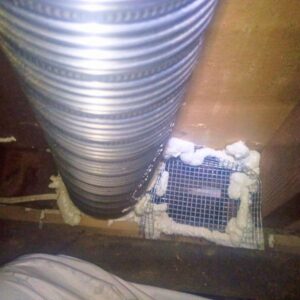
To perform effective rodent exclusion, I rely on heavy-duty, construction-grade materials. I primarily use heavy-gauge galvanized steel hardware cloth or copper mesh. Rodents cannot chew through these metals without causing severe damage to their teeth. Therefore, when they encounter these barriers, they simply give up and move on.
In addition to metal mesh, I utilize professional-grade elastomeric sealants and specialized pest-block foams that contain bitter deterrent compounds. When I seal a pipe penetration or a foundation crack, I first pack the void tightly with copper mesh. Then, I apply the heavy-duty sealant over the mesh to create an airtight, waterproof, and bite-proof barrier. This layered approach guarantees that the repair will withstand both severe weather conditions and persistent animal attacks.
Field Observations: How They Get In
Throughout my eight years at Miller Attics, I have encountered incredibly clever entry methods. I want to share a few common scenarios I find during my inspections, so you can better understand how these animals operate.
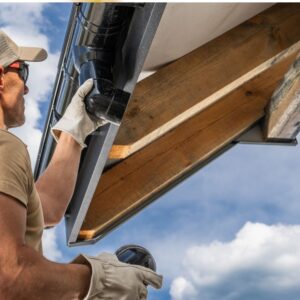
First, consider your roofline. Many people assume rodents only enter through the foundation, but rats and mice are exceptional climbers. They easily scale brick walls, climb up downspouts, or use overhanging tree branches to access your roof. Once up there, they target the construction gaps left by roofers. For example, roofers often leave small gaps where the fascia board meets the roof decking to allow for ventilation. If builders fail to install proper drip edges or metal flashing, rodents chew right through the exposed wood and drop directly into your attic insulation.
Another common vulnerability involves plumbing and electrical penetrations. A few years ago, I inspected a relatively new home where the owners kept hearing scratching behind their kitchen cabinets. I pulled out the dishwasher and discovered a massive, jagged hole cut into the drywall to accommodate the water supply lines. The plumbers had left a two-inch gap around the pipes. The mice simply traveled from the crawlspace, climbed the exterior of the PVC pipe, and entered the kitchen through that hidden gap. I immediately applied my rodent exclusion techniques to that area, fitting a customized metal escutcheon plate around the pipe and sealing the edges. The scratching stopped that very same night.
Finally, I frequently discover issues with crawlspace vents. Older homes often feature cast-iron or thin aluminum vent covers. Over decades, these covers rust, bend, or break. A determined raccoon or a heavy rat can easily push a weakened vent screen inward. During my structural evaluations, I routinely replace these compromised vents with reinforced, galvanized steel vent covers bolted directly into the foundation block.
Understanding the rodent exclusion cost
After I complete my initial inspection and outline the necessary repairs, the conversation naturally turns to the financial investment. Customers always want a clear breakdown of the rodent exclusion cost.
It is crucial to realize that the rodent exclusion cost heavily depends on the unique characteristics of your home. I cannot offer a flat rate over the phone because every property presents different challenges. If I inspect a modern, tightly constructed house that only needs three minor pipe penetrations sealed, the overall price remains quite low. However, if I inspect an eighty-year-old house with a deteriorating stone foundation, damaged crawlspace doors, and multiple compromised roof vents, the project requires significantly more time, labor, and premium materials.
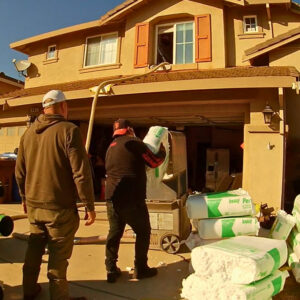
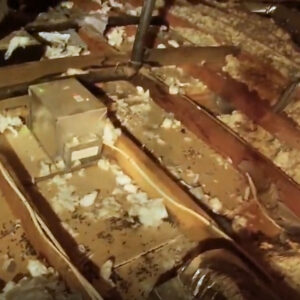
Consequently, I encourage homeowners to view this service as a vital home improvement project rather than a recurring pest control bill. You are essentially investing in structural upgrades that protect your property’s value. Rodents cause catastrophic damage when left unchecked. They tear up expensive fiberglass insulation to build nests, leaving behind hazardous biological waste. More alarmingly, they obsessively chew on electrical wiring to file down their continuously growing teeth. Stripped wires hidden inside your walls create a massive fire hazard. When you calculate the potential financial ruin caused by a structural fire or a complete attic insulation replacement, the upfront investment in sealing your home becomes entirely logical and highly cost-effective.
The Long-Term Benefits and Peace of Mind
Ultimately, my work at Miller Attics goes far beyond simply blocking holes. I aim to restore the safety, sanitation, and comfort of your living environment. You deserve to sleep peacefully without listening to the unsettling sound of tiny feet scurrying above your ceiling.
By committing to a thorough rodent exclusion process, you dramatically improve your home’s overall health. You stop the influx of disease-carrying ticks and fleas that rodents carry in their fur. You improve your indoor air quality by preventing urine and feces from accumulating in your HVAC ductwork. Furthermore, by sealing exterior gaps, you often improve your home’s energy efficiency, preventing drafts and reducing your heating and cooling expenses.
I take immense pride in my craft. I genuinely enjoy climbing down my ladder at the end of a long project, packing my tools, and assuring a homeowner that their property is finally secure. If you currently struggle with an ongoing infestation, I urge you to break the cycle of temporary fixes. Take proactive steps, inspect your property, and invest in a permanent structural solution.
If you want to learn more about how we handle these issues, I have provided answers to a couple of our most frequent customer inquiries below.
Frequently Asked Questions
how much does rodent exclusion cost? The overall price fluctuates based on the square footage of your property, the complexity of the roofline, the current condition of the structure, and the exact number of entry points that require professional attention. Typically, a full-scale project can range from $500 to over $2,500. We always perform a meticulous, on-site inspection first so we can provide you with an accurate, transparent, and customized quote tailored specifically to your home.
what’s included in a rodent exclusion treatment? Our comprehensive treatment begins with an exhaustive exterior and interior architectural inspection to map out all active and potential vulnerabilities. Next, we meticulously seal every identified gap using heavy-duty, chew-proof materials, such as galvanized steel mesh and professional-grade elastomeric sealants. Finally, we place targeted traps inside the home to capture any pests that remain trapped indoors after the exterior sealing, and we follow up to remove them, leaving your home completely secure and pest-free.