Best Insulation For Attic Ceiling
Compare Fiberglass, Blown-In & Spray Foam for Better Comfort and Lower Energy Bills
The best attic ceiling insulation depends on your attic layout, budget, and energy goals. We help homeowners choose the right insulation to improve comfort, reduce energy loss, and get long-lasting results.
Book Now
Compare Attic Ceiling Insulation Options
Choose an insulation type below to compare installed cost, ideal use, thermal performance, and overall fit for your attic.
Blown-In Fiberglass
Quick homeowner comparison. Higher bars indicate a stronger relative fit in that category.
Best For
Open attic floors that need fast, even coverage at a more budget-friendly installed cost.
Why Homeowners Choose It
A practical option for improving attic coverage, boosting comfort, and keeping installation costs more controlled.
What to Know
It performs best when paired with proper air sealing and enough open attic space for full, even coverage.
Best Climate Fit
A strong all-around choice for many California homes when cost control and broad attic coverage both matter.
Contact Miller Attics today for a comprehensive roof inspection and free, no-obligation estimate
Compare the Best Insulation Types for Attic Ceilings
The right insulation depends on your attic layout, budget, and energy-efficiency goals.
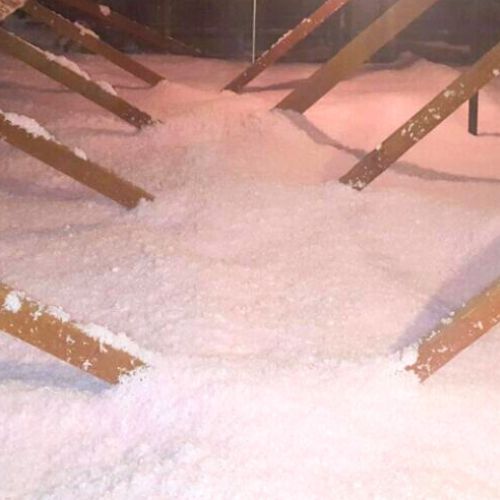
Blown-In Fiberglass
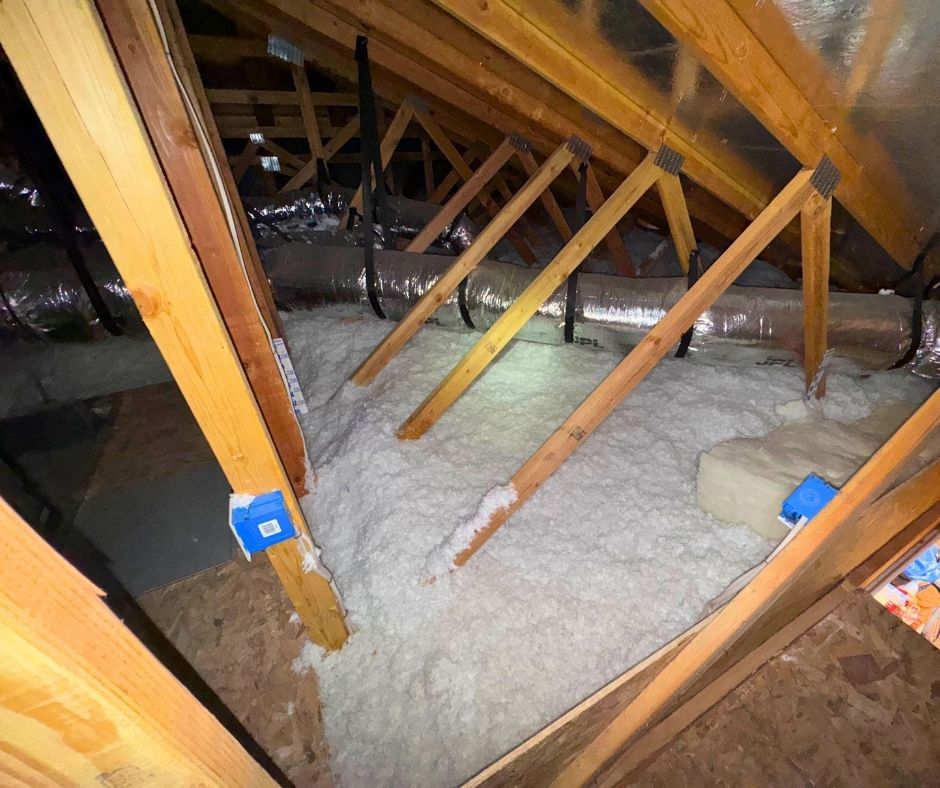
A cost-effective option for open attic floors that need fast, even coverage. Best for homeowners looking for solid thermal performance and affordable installation.
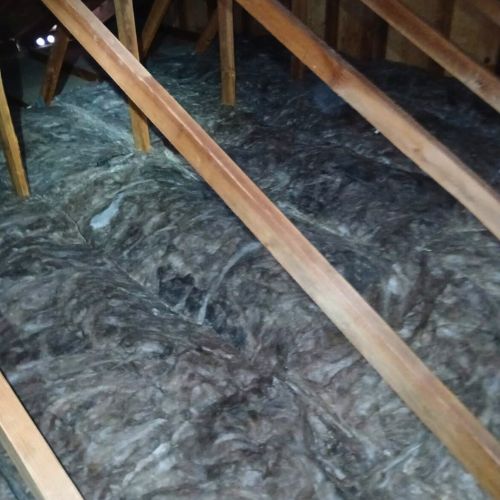
Batt Insulation
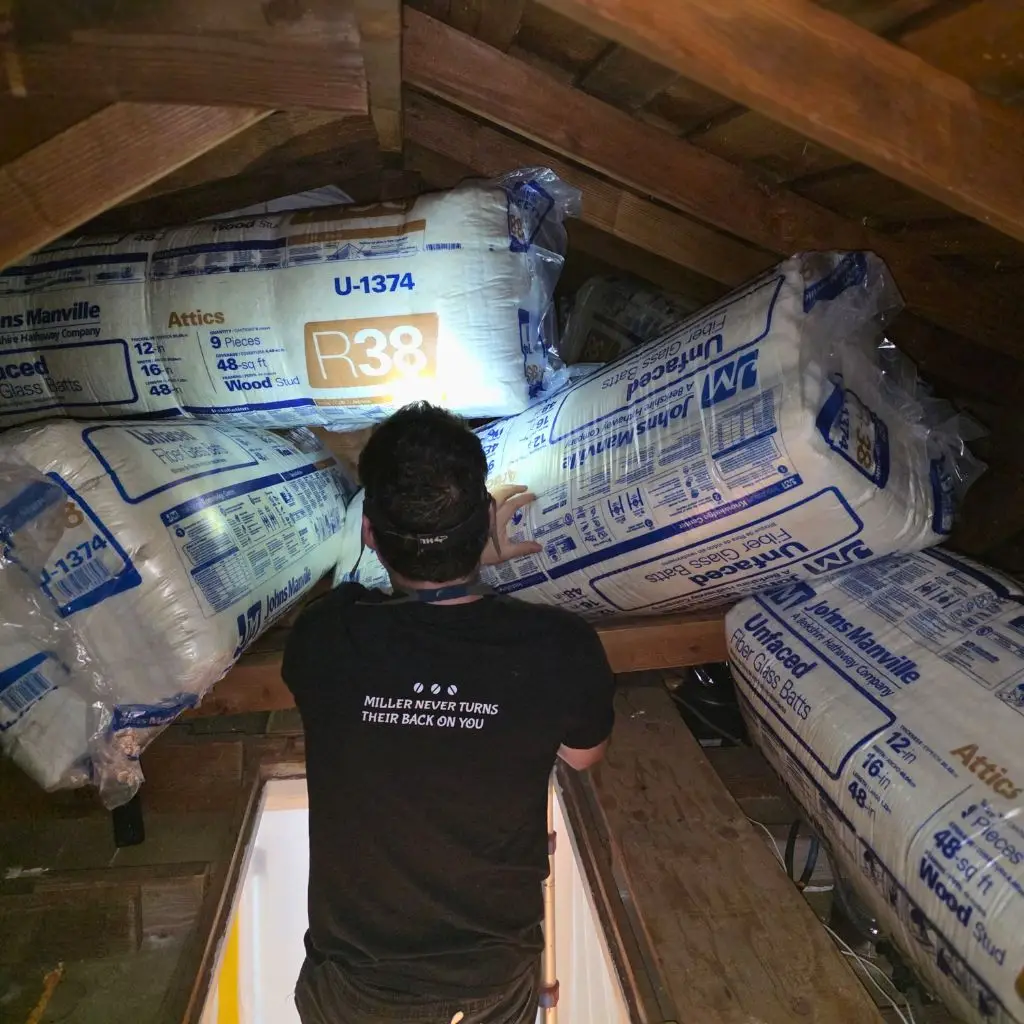
A practical choice for attics with accessible joist spaces and standard framing. Best when you want a clean, reliable insulation solution with predictable installation costs.
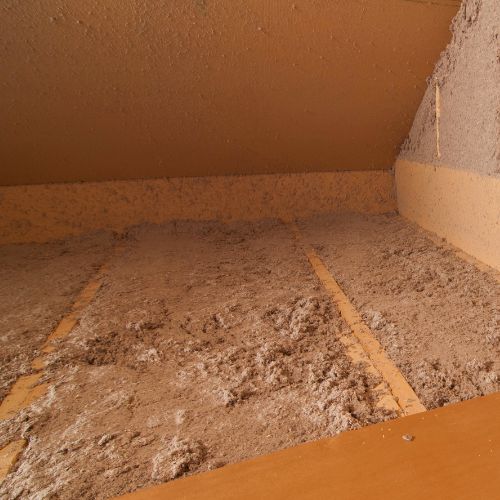
Cellulose Insulation
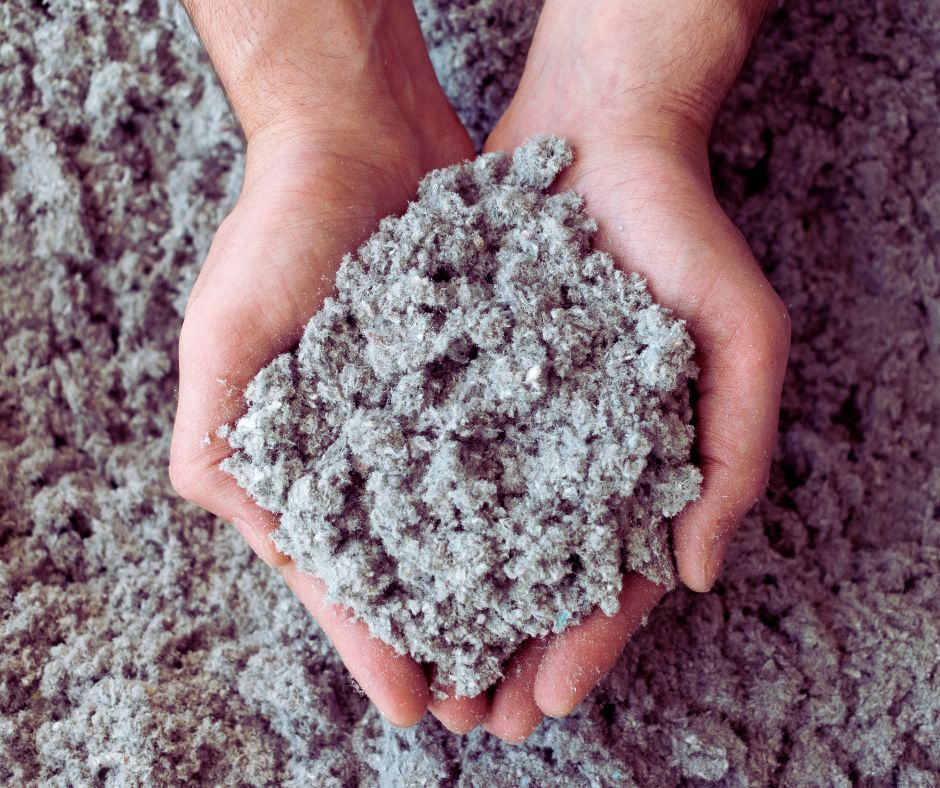
A dense blown-in material that helps cover gaps and improve overall attic coverage. Best for homeowners who want better air control and strong thermal performance.
How to Choose the Best Insulation for an Attic Ceiling
The best insulation for an attic ceiling depends on your attic structure, energy goals, and budget. The right solution can improve year-round comfort, reduce energy loss, and help lower heating and cooling costs.
Climate zone, existing insulation, and air sealing all affect which attic insulation performs best. A proper inspection helps determine the right material and R-value for long-term energy efficiency.
Attic Air Sealing
Even the best insulation for an attic ceiling won’t perform properly without effective air sealing. Sealing attic air leaks helps reduce energy loss, improve comfort, and support long-term insulation performance.
What We Seal:
Recessed lighting fixtures
Electrical boxes and penetrations
Plumbing and HVAC penetrations
Attic access points
Top plates and wall cavities
Why Choose Miller Attics Inc for Attic Ceiling Insulation?
Choosing the best insulation for an attic ceiling is not just about adding more material. The right result depends on attic condition, air sealing, insulation depth, and selecting the best material for your home’s layout, comfort goals, and budget.
At Miller Attics Inc, we help homeowners compare blown-in fiberglass, batt insulation, and cellulose insulation to find the right solution for better energy efficiency, lower heating and cooling costs, and stronger long-term attic performance.
Detailed Attic Inspection
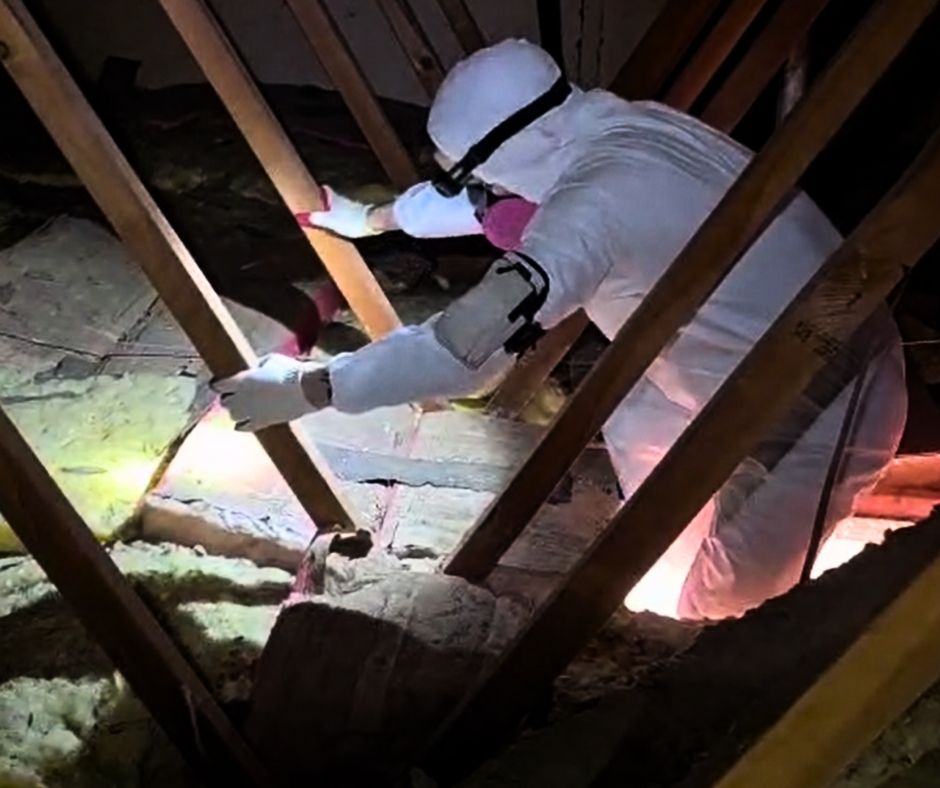
We inspect attic structure, existing insulation levels, ventilation conditions, and problem areas before recommending any upgrade. This helps determine whether blown-in fiberglass, batt insulation, or cellulose insulation is the best fit for your attic ceiling.
Right Material for the Right Attic
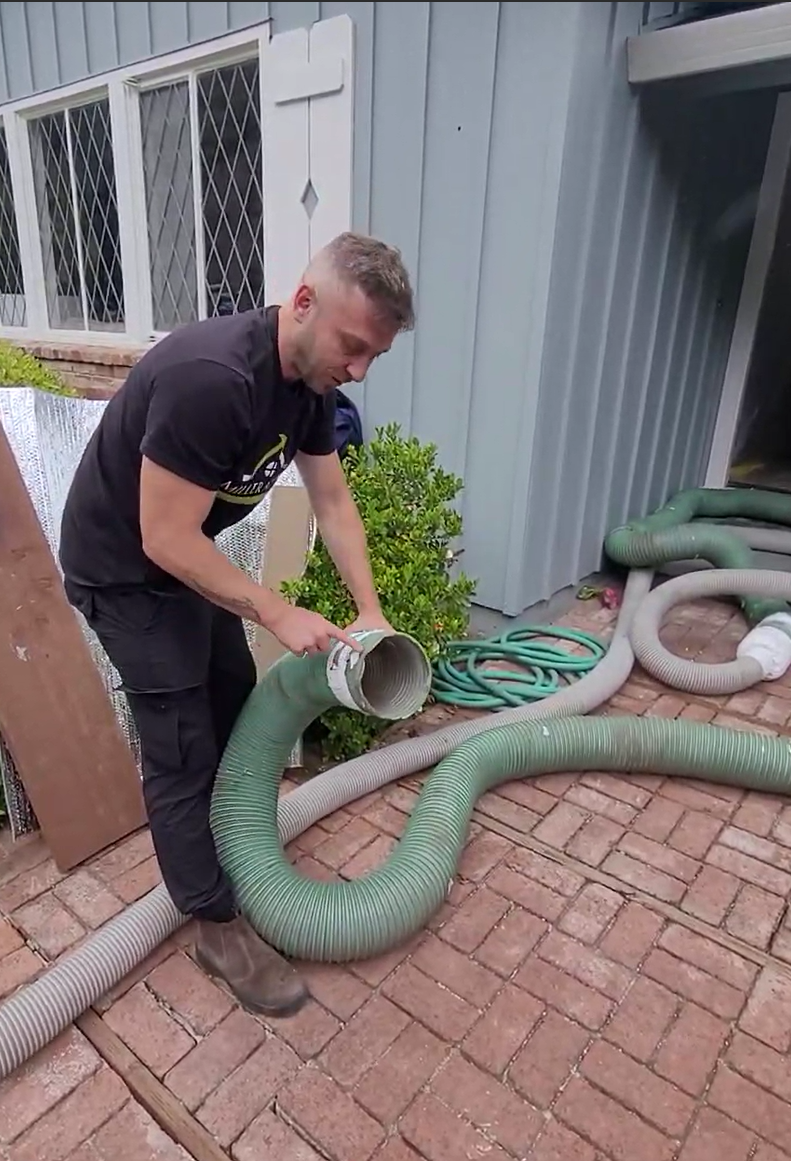
Not every attic needs the same insulation system. Some homes benefit from dense blown coverage, while others need a cleaner fit between framing members or a more budget-friendly insulation option. We help match the material to your attic layout, performance goals, and installed cost per square foot.
Air Sealing Before Insulation
Even the best attic ceiling insulation will underperform if air leaks are left open. We identify and seal key leakage points so your insulation can deliver better thermal performance, improved indoor comfort, and more consistent energy savings throughout the year.
Comfort, Efficiency, and Long-Term Value
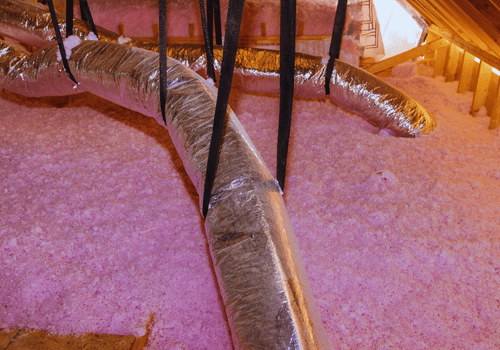
Proper attic insulation helps reduce heat transfer, improve temperature stability, and support lower utility bills over time. Our goal is to install the right attic ceiling insulation system for durable performance, year-round comfort, and better overall home energy efficiency.
Common Questions & Answers
What is the best insulation for an attic ceiling?
The best insulation for an attic ceiling depends on your attic layout, existing insulation, budget, and energy-efficiency goals. In many homes, blown-in fiberglass, batt insulation, or cellulose insulation can all be effective when properly installed and paired with air sealing.
Is blown-in fiberglass or cellulose better for attic insulation?
Blown-in fiberglass is often a more budget-friendly option and works well for open attic floors. Cellulose insulation provides dense coverage and can perform better around small gaps and irregular areas. The better choice depends on your attic condition and the level of coverage your home needs.
Does attic air sealing matter before adding insulation?
Yes. Even the best attic ceiling insulation will not perform as well if air leaks are left open. Air sealing helps reduce energy loss, improve indoor comfort, and support better long-term insulation performance.
How much does attic ceiling insulation cost per square foot?
Installed cost can vary based on material type, attic size, access, and existing conditions. In many California homes, attic insulation may range from about $1.75 to $4.50 per square foot installed, depending on whether you choose blown-in fiberglass, batt insulation, or cellulose.
How do I know if my attic needs new insulation?
Common signs include uneven indoor temperatures, high heating and cooling bills, drafty rooms, and visible thin or damaged insulation in the attic. A professional attic inspection can help determine whether your insulation level is too low or if air sealing and upgrades are needed.
What R-value is recommended for attic insulation?
The right R-value depends on your climate zone, attic design, and current insulation level. In many homes, higher attic R-values help improve energy efficiency and indoor comfort, but the best recommendation should be based on a full attic inspection and your local conditions.