


Bay Area Moisture Control
Noticing a musty odor, winter window condensation, or soft floors? These are clear signs of moisture rising from your crawl space. We protect Bay Area homes by fixing these hidden threats at their source—before they turn into mold and highly expensive repairs.
Book Now
What's Actually Happening Under Your House
Most Bay Area homes sit on a perimeter foundation with a crawl space underneath. When we built these houses, nobody really thought about groundwater. No French drains, no sump pumps, nothing to keep water out.
So when winter hits and we get our usual rainfall, groundwater rises and seeps right into your crawl space. And here’s the thing—once water gets in there, it doesn’t just evaporate. It moves from wet areas to dry areas, which means it’s actively traveling up through your subfloor into your house.
You’ve probably seen this if you have hardwood floors. They start cupping or buckling. That’s moisture that made the trip from your crawl space all the way through your floors. And wherever there’s moisture moving through wood, mold is growing somewhere.
Near the coast, you’ve got another problem. Even when it’s not raining, the humidity from fog and marine air gets into poorly sealed crawl spaces. It condenses on the cold surfaces down there—your floor joists, your subfloor—and creates constant dampness. That’s how you end up with rot.
You'll Know When You Have a Problem
Musty smell
If your house smells like a basement, that’s mold growing under your floors. About half the air in your home comes up from your crawl space, so you’re breathing whatever’s down there.

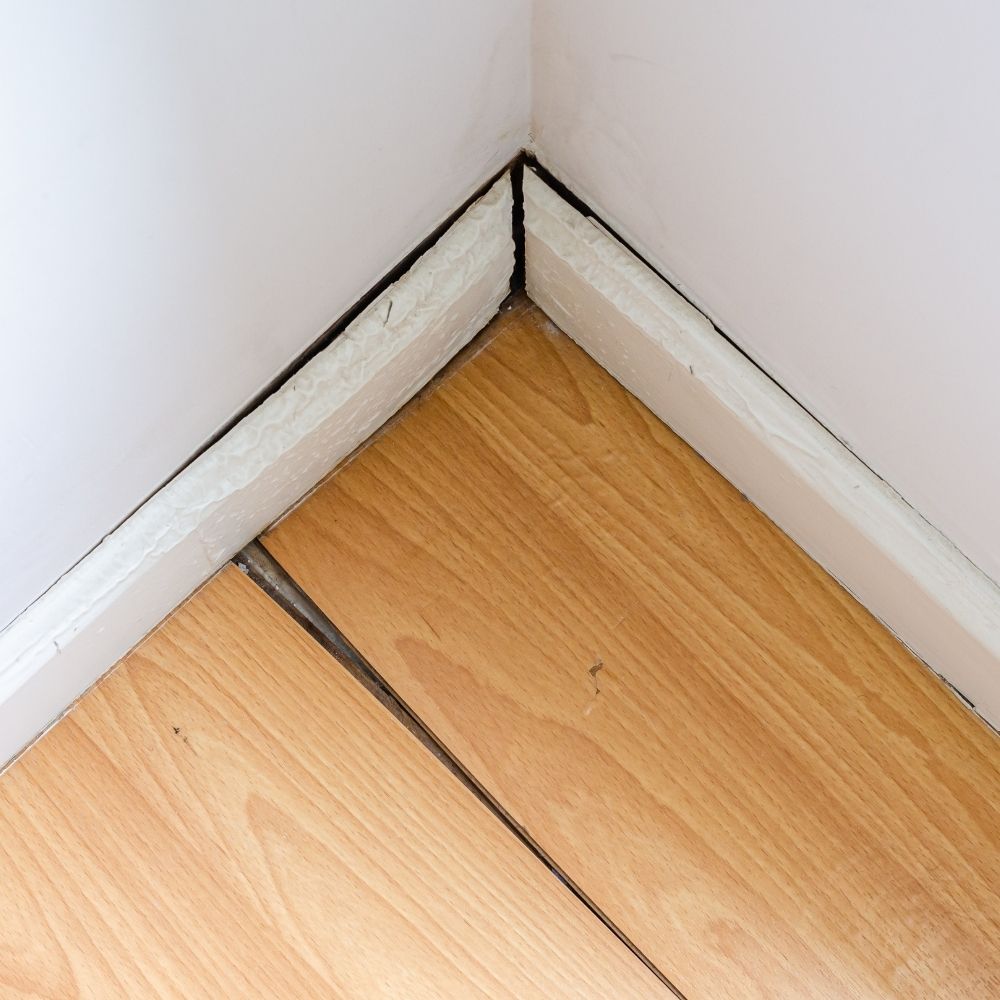
Soft or bouncy floors
When floor joists get wet, they lose their strength. It starts subtle but gets worse. We’ve seen joists so rotted they were barely holding up the floor.
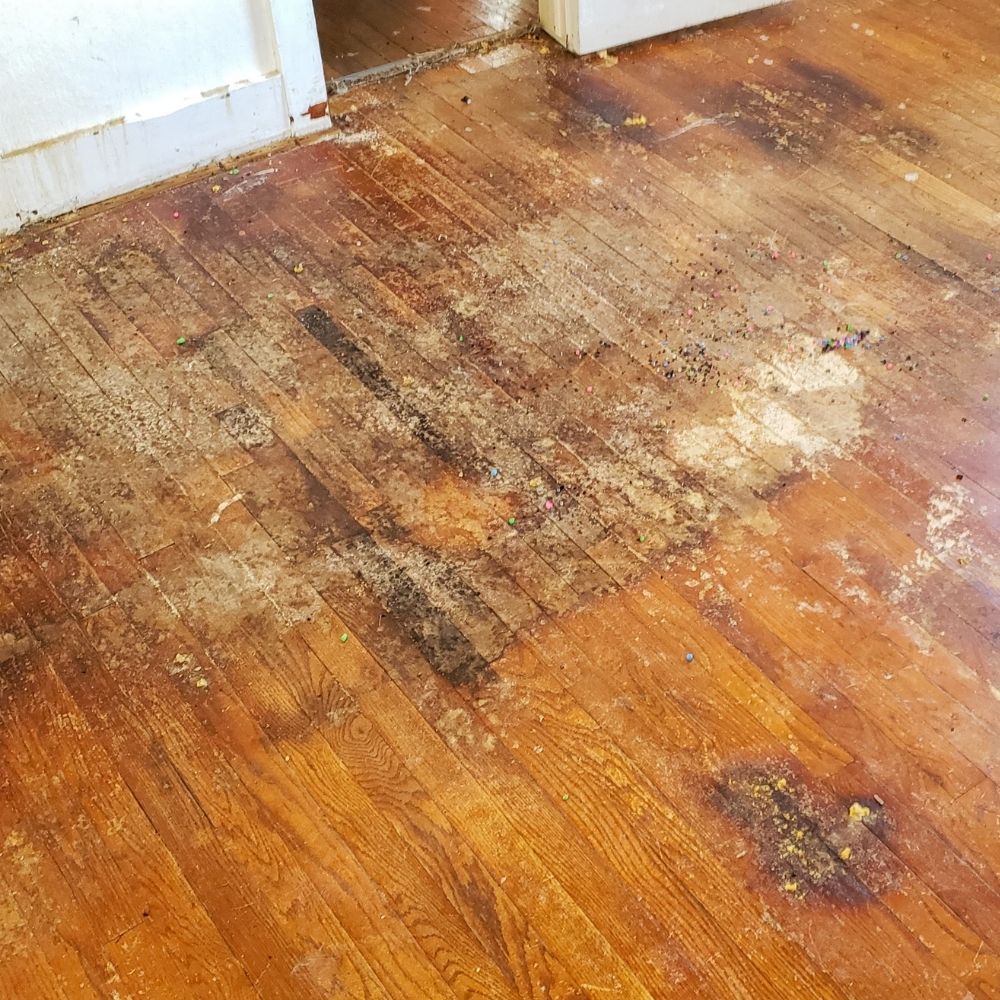
Cupping hardwood floors
The boards start warping because they’re absorbing moisture from below. This happens a lot after wet winters in Bay Area homes.
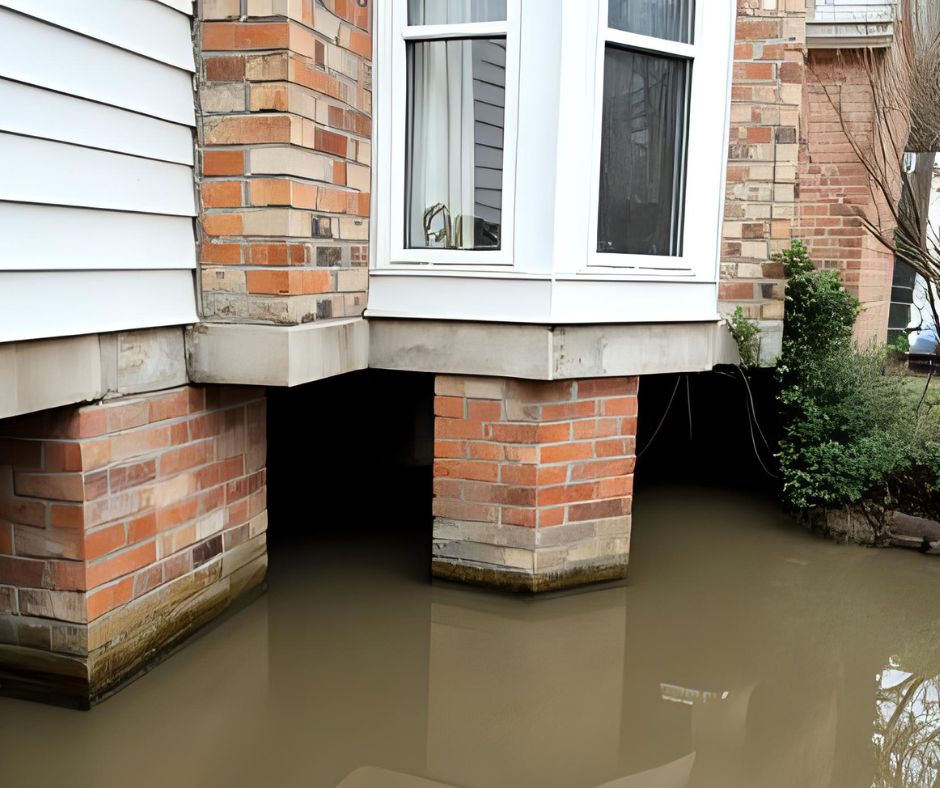
Standing water under your house
Pretty obvious sign. If you’ve looked in your crawl space and seen puddles, especially after it rains, you need drainage.
Allergy problems got worse
Mold spores circulate through your whole house. If people are suddenly having respiratory issues or allergies that won’t quit, check your crawl space.

How We Fix It

Inspection First
We need to see what’s actually happening down there. We check for standing water, measure humidity levels, look for mold and rot, check your existing vapor barrier if you have one, and figure out where water is getting in. You get photos and a report showing what we found.

Drainage Systems
If groundwater is your problem—and in most Bay Area homes, it is—we install an interior French drain system. It collects water before it can pool in your crawl space and directs it to a sump pump that kicks on automatically. When your neighbors’ crawl spaces are flooding during winter storms, yours stays dry.

Crawl Space Encapsulation
This is the real solution for bay area moisture control. We seal your entire crawl space with heavy-duty vapor barriers that stop ground moisture from getting into the air down there.
We cover your crawl space floor completely with thick polyethylene sheeting. We run it up your foundation walls. We seal those foundation vents so humid outside air can’t get in. We insulate the walls to control temperature and prevent condensation. And we install a commercial dehumidifier that runs automatically to keep humidity at safe levels.
Done right, your crawl space stays dry year-round. No more moisture, no more mold, no more musty smell. Most homeowners see their energy bills drop 15-20% because their insulation is actually working again.

Mold and Rot Repair
If moisture already damaged things, we deal with that first. We remove moldy insulation, treat the area with antimicrobial solutions, and replace any rotted floor joists or subfloor sections. Then we install the moisture control system so it doesn’t happen again.
Trusted Crawl Space Repair Experts in the Bay Area
Local Bay Area Experts
We know the unique moisture challenges of San Francisco Victorians, East Bay ranches, and older Marin homes.
Honest, No-Oversell Approach
We only recommend what you need—whether it's simple ventilation or full encapsulation. No scare tactics.
Same-Day Quotes
Get a clear, upfront price the exact same day we inspect. No games, no waiting weeks.
Licensed, Insured & Code-Compliant
All work meets California building codes, and we handle the permits.
Permanent Solutions
Commercial-grade materials backed by real warranties. Fix it once and you're done.
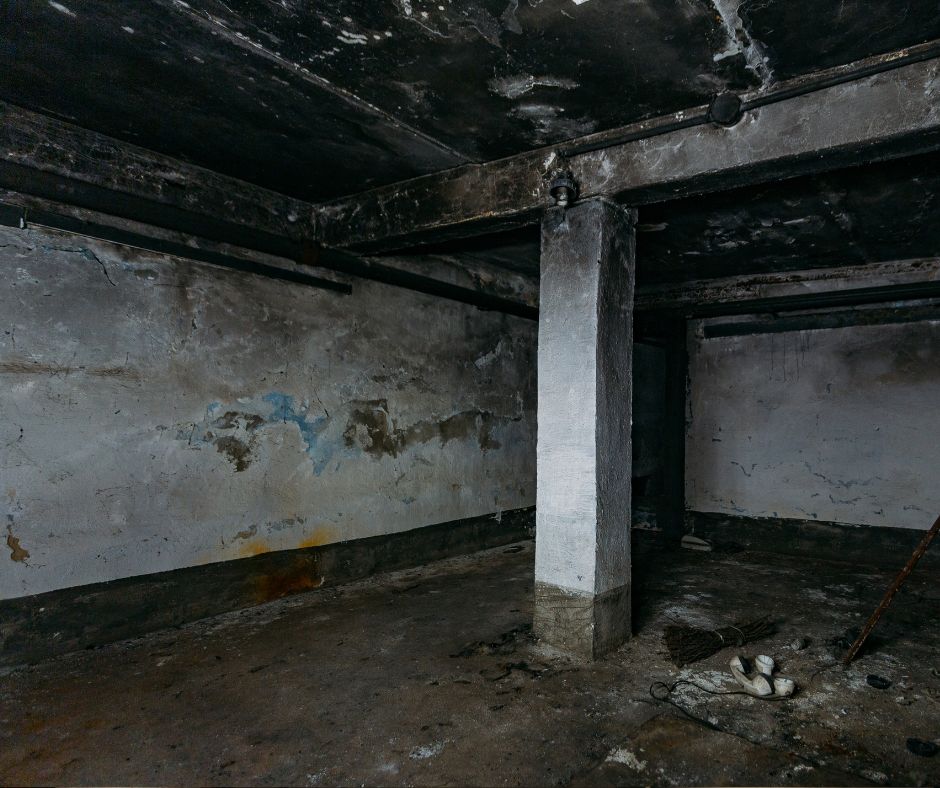
The Hidden Cost of Ignoring Crawl Space Moisture
Moisture problems get worse, not better. The wood rot spreads. The mold grows. Eventually, you’re not just paying for basic moisture control
you’re replacing structural supports, rebuilding floors, and paying for major mold remediation.
We’ve seen homeowners spend $30,000–$50,000 on structural repairs that could have been completely prevented with an $8,000 encapsulation system installed just two years earlier.
Planning to sell your home? Buyers walk away from homes with active moisture problems, or they use it to negotiate the price down significantly. A pre-listing inspection that uncovers crawl space mold can instantly kill a deal.
Contact Miller Attics today to schedule an inspection and learn more about the right solution for your home in Bay Area.
Frequently Asked Questions
How much does crawl space moisture control cost in the Bay Area?
It depends on what your crawl space needs. Basic vapor barrier installation for a typical Bay Area home runs $3,000-$5,000. Full encapsulation with drainage, sump pump, dehumidifier, and sealing usually costs $8,000-$15,000 depending on your crawl space size and how much water intrusion you’re dealing with. If there’s existing mold or structural damage, factor in remediation costs. We give you an exact quote after the inspection so there’s no guessing.
Will homeowners insurance cover crawl space moisture problems?
Probably not. Insurance companies consider moisture and groundwater intrusion a maintenance issue that develops over time, not sudden damage. They won’t cover encapsulation, French drains, or sump pump installation. If you have flood insurance it might help, but standard homeowners policies typically exclude this. That’s why catching moisture problems early matters—you’re paying out of pocket either way, but early fixes cost a lot less than waiting until there’s major damage.
How long does crawl space encapsulation take?
Most Bay Area homes take 2-4 days for complete encapsulation. Smaller crawl spaces might be done in a day or two. Larger homes or spaces that need drainage systems, mold remediation, or structural repairs take longer—sometimes a week. We’ll give you a timeline during the inspection. The work is disruptive but not terrible—we’re working under your house, not tearing up your living space.
Do I really need to encapsulate or can I just run a dehumidifier?
A dehumidifier alone won’t fix a moisture problem. If you’ve got groundwater seeping in or no vapor barrier stopping moisture from evaporating out of the soil, a dehumidifier is just fighting a losing battle. It’ll run constantly, cost you in electricity, and never actually solve the problem. Encapsulation stops moisture at the source—then a dehumidifier maintains the dry environment. You need both, but encapsulation comes first.
Is it normal to have some water in my crawl space after heavy rain?
No. If water shows up in your crawl space when it rains, you have a drainage problem. Your crawl space should stay dry year-round. Some Bay Area homeowners think it’s normal because so many homes have this issue, but it’s not—it means groundwater is getting in and you need proper drainage installed. The longer that water sits there, the more damage it’s doing to your floor joists, subfloor, and insulation.