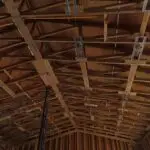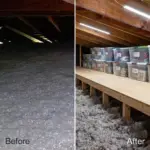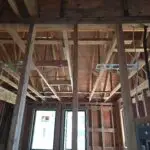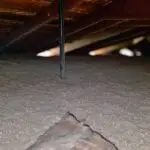

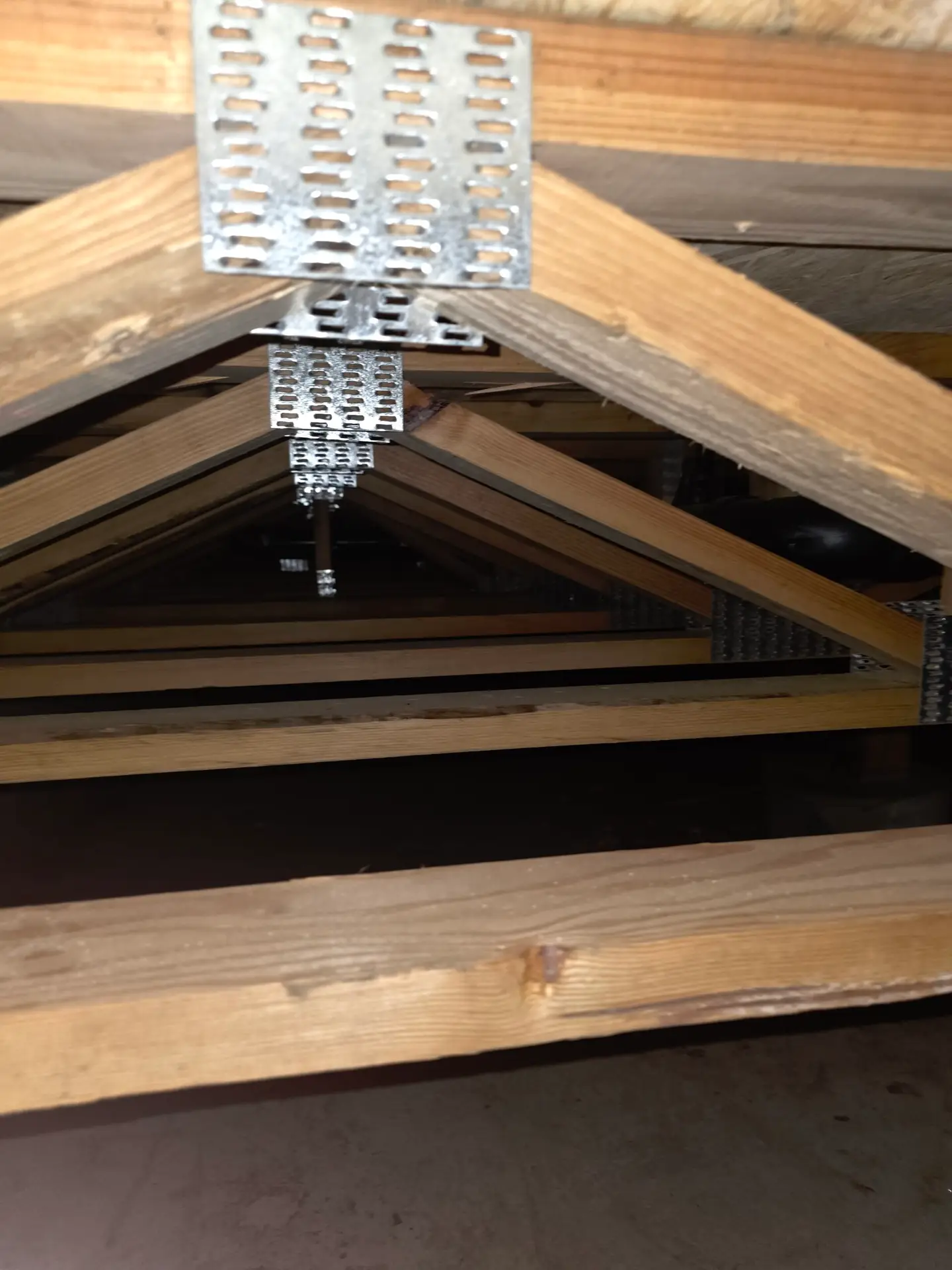
I have spent two decades army-crawling through dark, damp foundations across America. When homeowners complain about freezing hardwood floors, skyrocketing heating bills, or a musty smell in their living room, the culprit is almost always rotting subfloor insulation. Upgrading the thermal boundary under your feet requires specific building science. The International Residential Code (IRC) dictates that foundation spaces handle moisture completely differently than attics. If you have exposed floor trusses hanging directly over dirt, you cannot just staple up cheap material and walk away. Today, I am pulling from elite contractor playbooks to reveal the best insulation for floor joists in crawl space applications, saving you from catastrophic moisture damage.
Is fiberglass bad for crawl spaces?
Yes, fiberglass is terrible for crawl spaces because it absorbs ground moisture, grows black mold, and eventually sags heavily out of the joists. The “pink fluffy stuff” was the builder standard for decades, and it is the primary reason the foundation repair industry is booming today. Fiberglass is highly porous and offers zero resistance to vapor drive. As humidity naturally rises from the exposed dirt floor, the fiberglass absorbs it like a sponge. Once wet, its R-value drops to zero. Gravity takes over, and the heavy batts pull away from the wooden subfloor, leaving your home completely unprotected and your wooden joists susceptible to severe rot.
What is the best crawl space insulation?
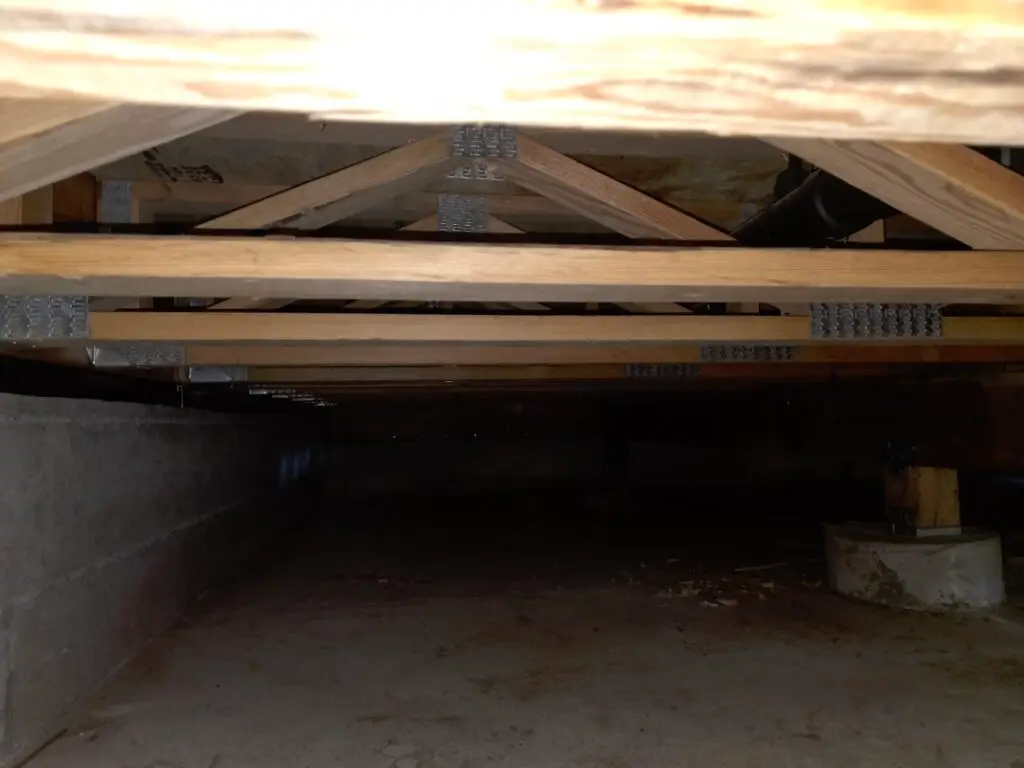
Closed-cell spray foam is the best insulation because it provides maximum thermal resistance while acting as a completely waterproof vapor retarder. When dealing with complex structural elements like open-web floor trusses or plumbing pipes, cutting solid materials is a nightmare. Closed-cell spray polyurethane foam expands and cures into a rock-hard, airtight seal that perfectly contours around every obstacle. Because it chemically rejects water, it completely stops the condensation cycle. It also adds significant structural rigidity to the floor system, minimizing squeaks. From an EPA and building science perspective, encapsulating the wood in closed-cell foam is the undisputed champion.
Can I use rigid foam boards instead?
Yes, rigid foam boards are a great DIY alternative if you meticulously cut them to fit and air-seal the edges with canned spray foam. If you want to avoid the high cost of a professional spray rig, Extruded Polystyrene (XPS) or Polyisocyanurate (Polyiso) boards are your best bet. These closed-cell boards do not absorb water. However, to pass IRC energy codes, you must cut each board to pressure-fit between your 16-inch on-center joists, then seal the entire perimeter of every board to stop drafts. It is tedious work, but it creates an exceptional thermal break.
| Insulation Material | Estimated Cost (per sq ft) | Pro Verdict & Application |
|---|---|---|
| Fiberglass Batts | $1.00 – $1.50 | Do Not Use. Prone to mold, sagging, and rodent nesting. A total liability. |
| Rigid Foam Boards (XPS) | $1.50 – $2.50 | Great for DIYers. Requires intense labor to cut, fit, and air-seal properly. |
| Closed-Cell Spray Foam | $3.00 – $5.00+ | The Gold Standard. Completely waterproof and airtight. Pro installation only. |
Veteran Insider Tip: Never let a contractor use “open-cell” spray foam under your house. Open-cell foam is soft and absorbs water exactly like fiberglass. Demand strict, 2-pound density “closed-cell” foam to meet US building codes for below-grade applications.
- Fix Leaks First: Never insulate over wet wood. Repair all leaking PVC drain pipes and supply lines before sealing the cavities.
- Evict Pests: Rodents love subfloor cavities. Ensure your foundation vents are screened with heavy-gauge steel mesh before starting.
- Protect Pipes: Push your water supply lines tight against the warm subfloor so the new insulation sits beneath them, preventing winter freezes.
Do I really need a vapor barrier?
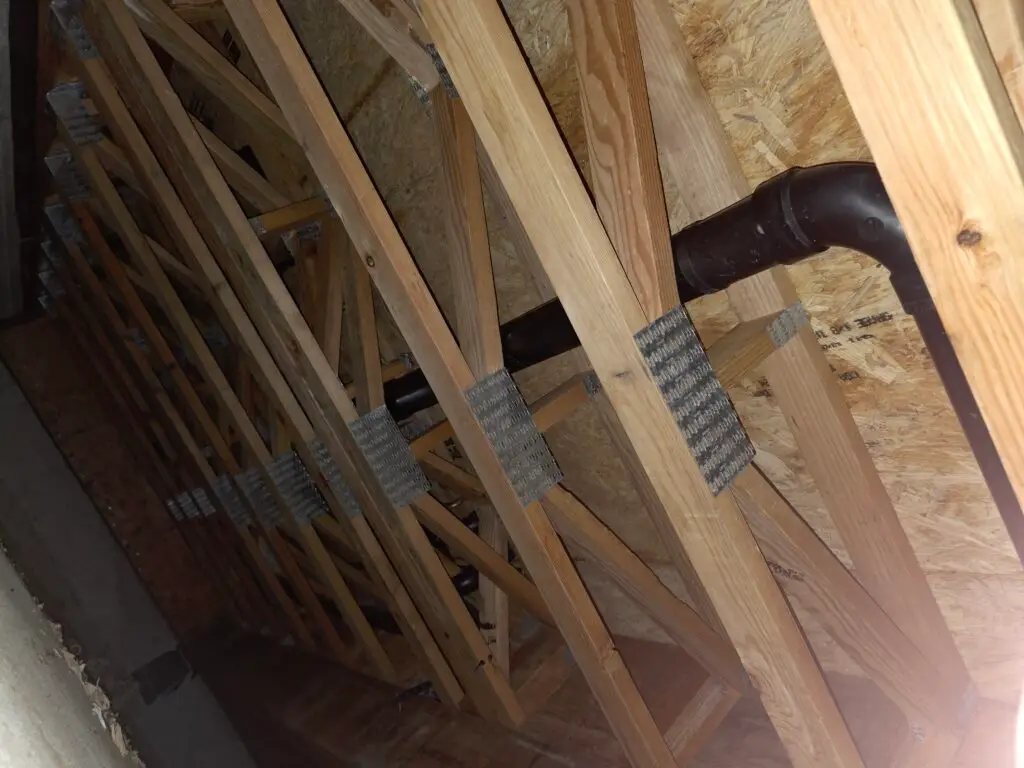
Yes, you absolutely need a thick plastic vapor barrier over the dirt to stop ground moisture from rotting your newly insulated floor. Insulating the floor joists is only half the battle. If you leave the dirt floor exposed, gallons of water vapor will continuously evaporate into the confined space, rusting HVAC equipment and inviting termites. To truly protect your structural integrity, you must pair subfloor insulation with comprehensive Bay Area moisture control solutions. This means laying down a 10-mil to 20-mil reinforced polyethylene barrier across the dirt and taping the seams perfectly.
Will sealing the floor trap indoor moisture?
It can trap moisture upstairs, which is why your home’s mechanical exhaust appliances must work perfectly once the foundation is sealed. When you eliminate the massive drafts coming from your crawl space, your home stops “breathing” naturally through the floorboards. This is amazing for your energy bills, but it completely changes your home’s airflow dynamics. If your subfloor isn’t prepped and evaluated correctly before sealing, you risk locking existing moisture into the wood. This is why I highly recommend that any major thermal envelope upgrade be handled by professionals who understand the entire building system. If you want absolute peace of mind, investing in comprehensive crawl space repair services ensures your foundation is completely dry, structurally sound, and perfectly sealed for the long haul.