
Every week, homeowners panic when they look into their attic and see gray, fluffy material, assuming it is a toxic hazard. As a seasoned insulation professional, I can tell you that knowing how to tell the difference between cellulose and asbestos insulation does not require a chemistry degree. It requires knowing exactly what to look for and how light interacts with the materials. Today, I will skip the fluff and give you the direct, precise diagnostic methods professionals use in the field to identify attic materials quickly and safely.
What are the distinct visual differences between these materials?
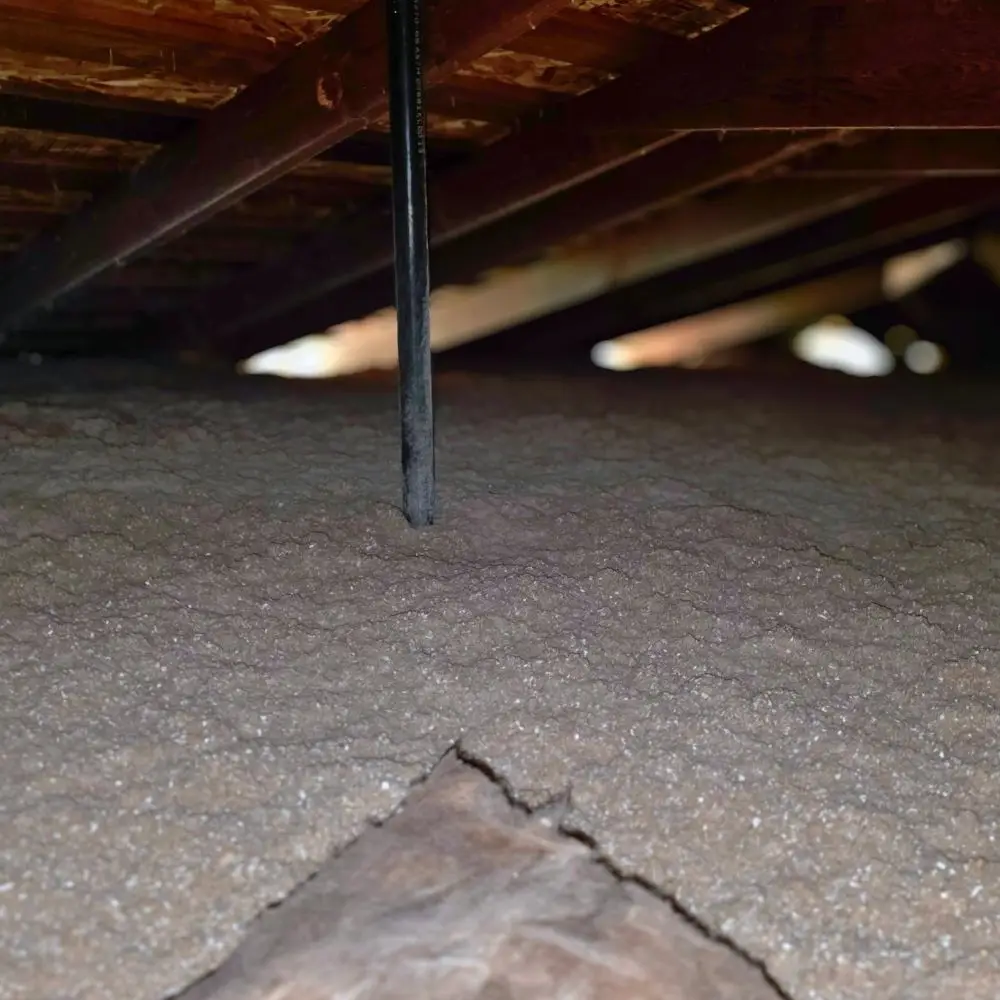
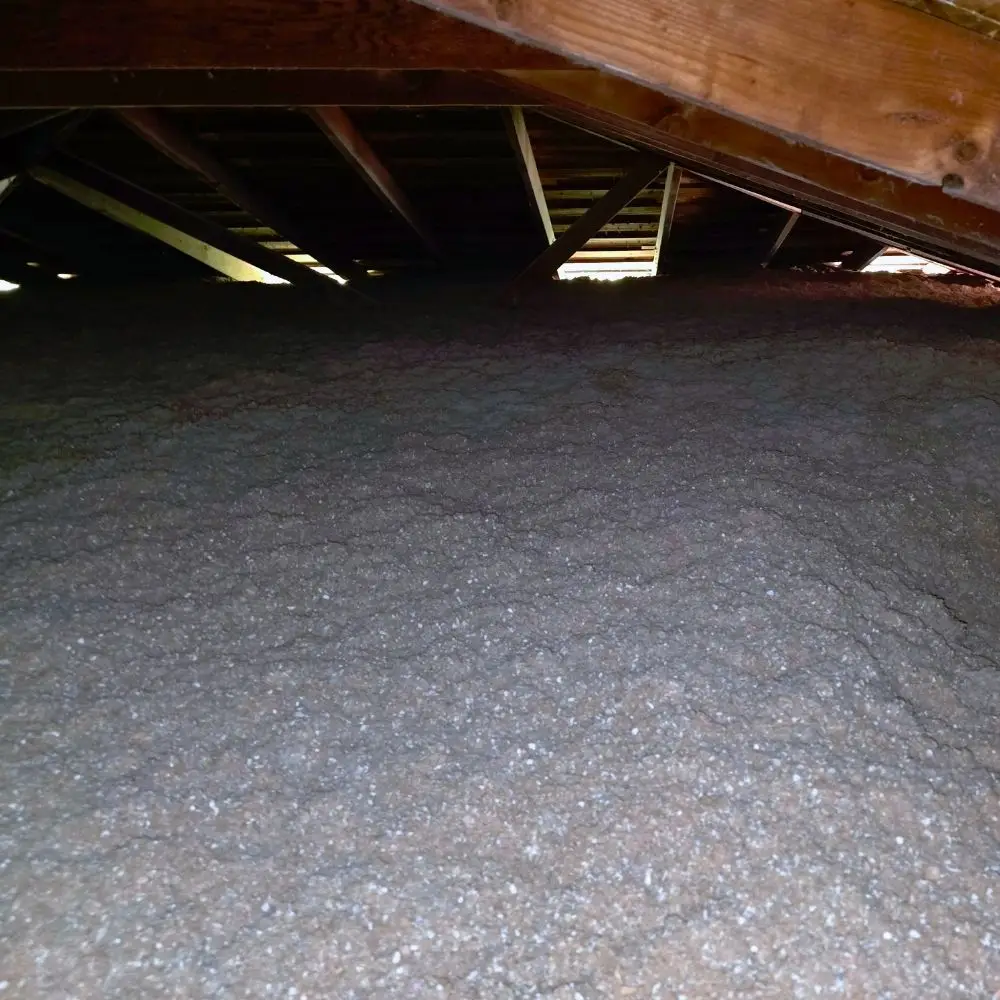
Cellulose looks like dull, shredded gray paper, while asbestos-containing vermiculite resembles shiny, metallic pebbles. When people worry about asbestos in attics, they are usually concerned about Zonolite, a specific brand of vermiculite contaminated with tremolite asbestos. To identify it, use the “flashlight test.” Shine a high-lumen LED flashlight across the insulation. Vermiculite has a granular, heavy texture that reflects light, looking like thousands of tiny, silvery-gold rocks or mica. Conversely, cellulose is made from recycled paper and denim. It is completely matte. When you shine a light on cellulose, there is zero reflection. If it looks like flat, lumpy papier-mâché, it is safe cellulose. If it sparkles like fish tank gravel, back away.
How can I safely inspect my attic without disturbing fibers?
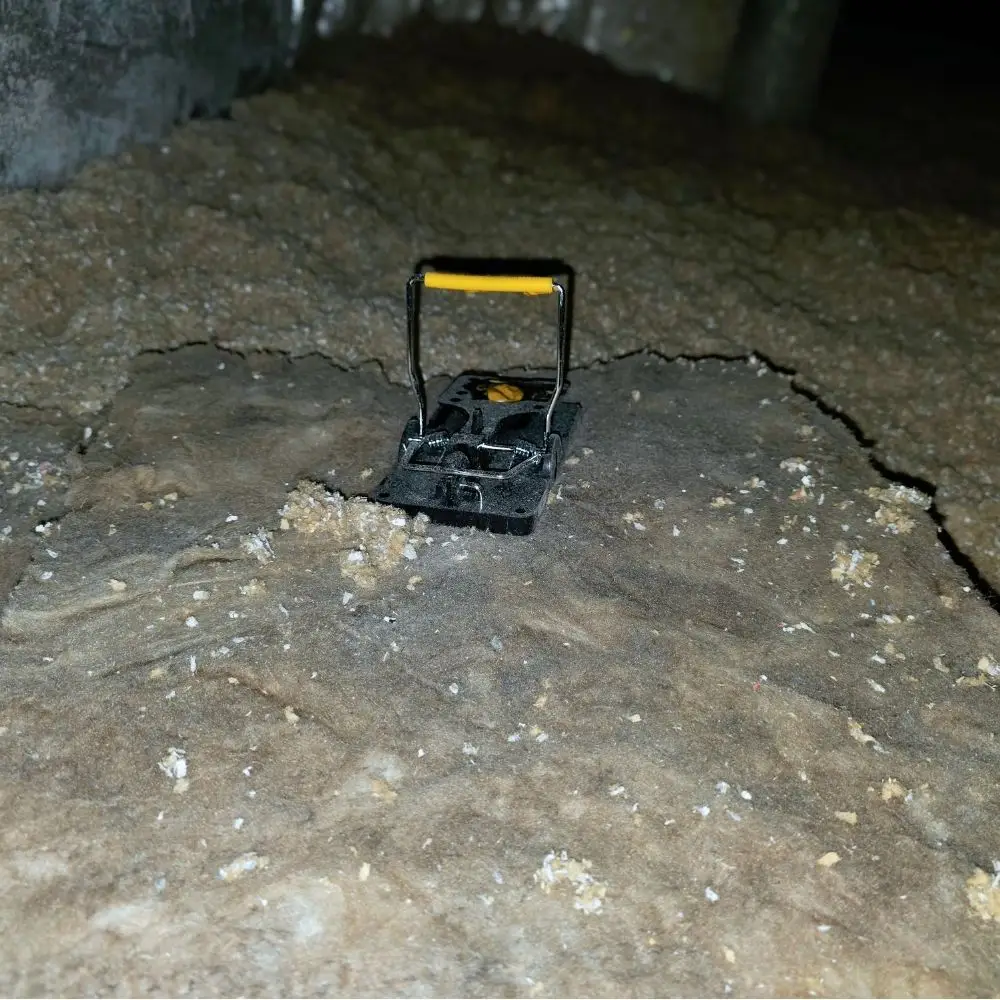
Wear a P100 respirator, stay on the plywood walkways, and use a bright flashlight to inspect without touching. Asbestos is only dangerous when it becomes “friable,” meaning the microscopic fibers become airborne. Vermiculite is highly friable. Do not sweep it, vacuum it, or touch it bare-handed. Put on a genuine P100 half-face respirator (not a paper surgical mask). Simply pop your head through the hatch, shine your light, and take a high-resolution photo with your smartphone’s zoom feature. That photo is all a professional needs for an initial visual assessment.
What is the cost difference between testing, removal, and replacement?
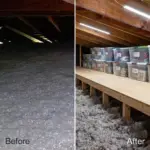
Lab testing costs about $40 to $150, while professional abatement ranges from $2,500 to $5,000 before installing new insulation. Dealing with toxic materials requires strict safety compliance. If you have confirmed vermiculite, state-licensed abatement contractors must remove it using negative-pressure containment. However, replacing it with modern, safe insulation is a highly cost-effective upgrade that dramatically lowers energy bills.
| Service Phase | Estimated Cost Range | What the Process Involves |
|---|---|---|
| EPA-Certified Lab Testing | $40 – $150 | Mailing a wet sample to a lab for polarized light microscopy (PLM) testing. |
| Professional Asbestos Abatement | $2,500 – $5,000+ | HEPA vacuuming, containment zones, and legal hazardous waste disposal. |
| Installing New Cellulose | $1.50 – $2.50 per sq. ft. | Blowing a thick, airtight layer of fire-resistant, borate-treated recycled material. |
Here is an insider’s tip to save on testing: Do not buy expensive “at-home” kits from hardware stores. Instead, find an accredited independent PLM laboratory online. To collect a sample safely, heavily mist the suspect area with water and a few drops of dish soap to trap the dust. Use disposable tweezers to pinch a small sample into a double-sealed Ziploc bag, and mail it directly to the lab. You will save money and get accurate, scientific results.
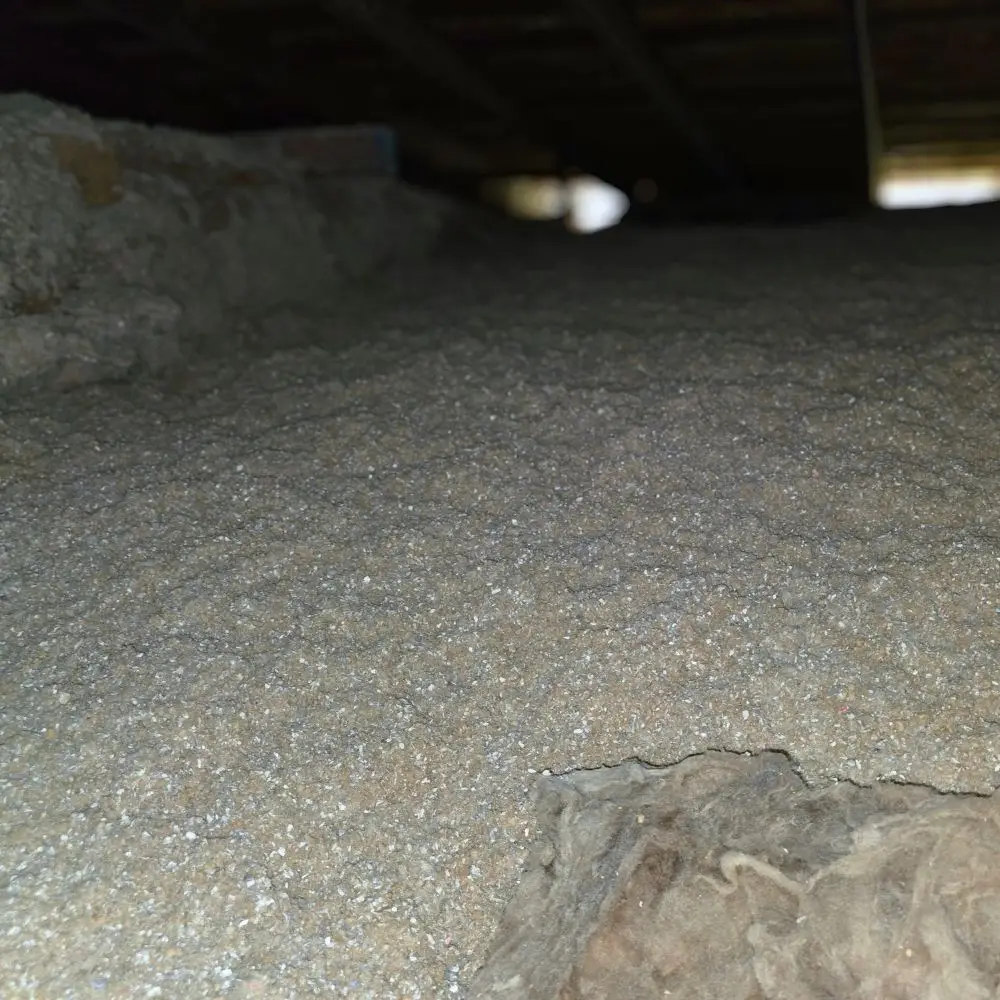
Why do professionals prefer modern cellulose after removing dangerous materials?
Modern cellulose is treated with fire-retardant borate, creating an airtight thermal barrier that naturally repels pests. Once an abatement crew clears out the hazardous vermiculite, I strongly recommend upgrading to blown-in cellulose rather than fiberglass batts. Because it is loose-fill, it flows seamlessly around wires and pipes, completely stopping convective heat loss. More importantly, the borate treatment gives it a Class 1 Fire Rating and makes it highly repulsive to insects and rodents. Learning about the benefits of high-quality cellulose insulation is crucial for maximizing your home’s thermal efficiency.
Finally, when you completely seal and insulate your attic, you change how your house breathes. A perfectly airtight home requires flawlessly functioning mechanical exhaust systems. It is vital to ensure that appliances are not exhausting trapped heat or moisture into your newly insulated space. This is why we always recommend pairing a major insulation upgrade with a professional dryer vent cleaning service, ensuring your home remains perfectly balanced, highly efficient, and completely fire-safe.