
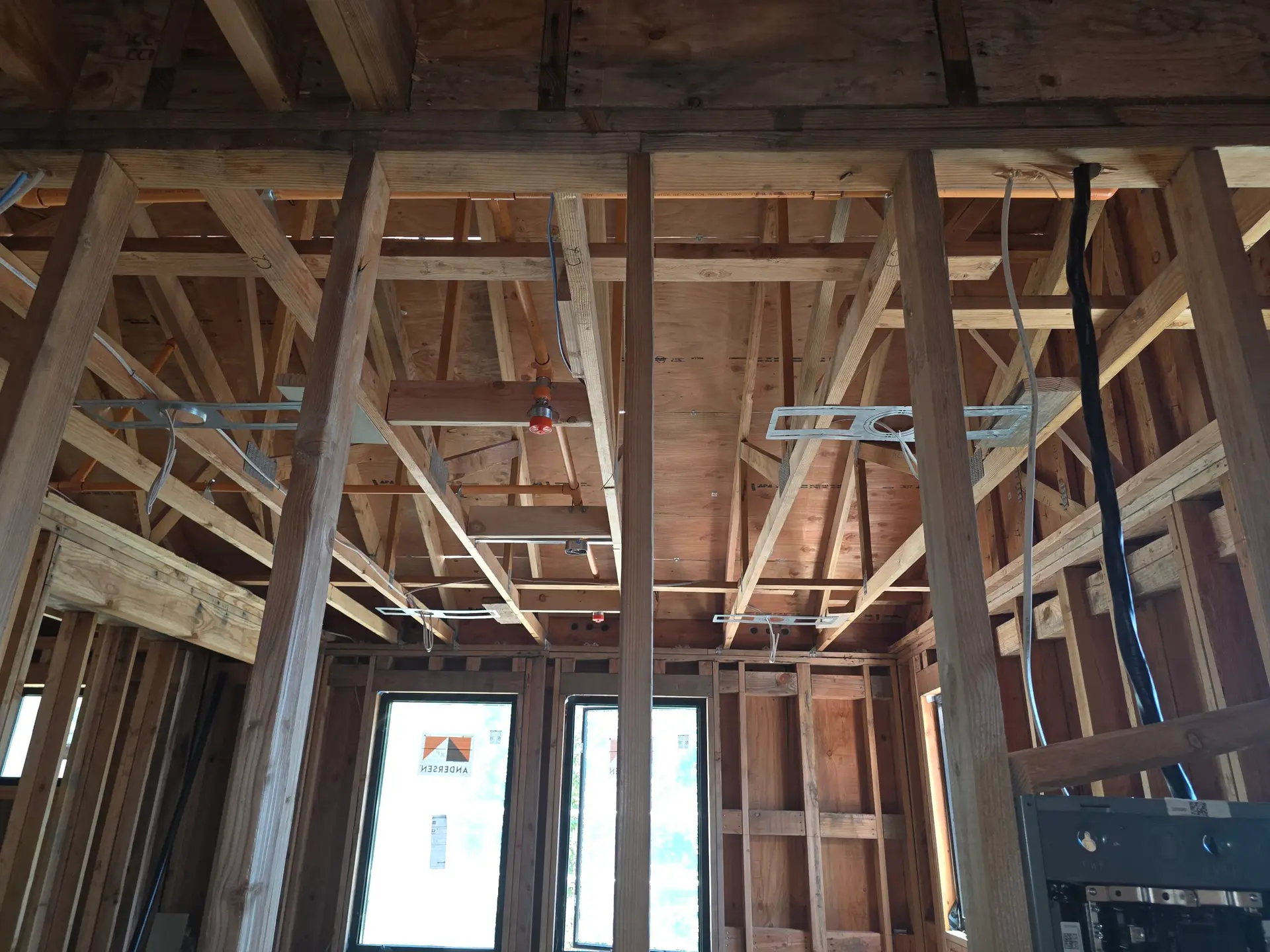
I have spent twenty years in 130-degree sweatbox attics fixing expensive DIY disasters. Here is the brutal truth: if you just roll thick pink fiberglass over a leaky ceiling, you are literally throwing cash into a shredder. Your house is a giant chimney, and until you learn how to air seal attic gaps, all the expensive HVAC air you pay for is getting sucked right out the roof. The US Department of Energy (DOE) warns that skipping this step renders new insulation almost useless. Today, we are skipping the boring, generic advice. I am going to show you the elite, rapid-fire tactics professionals use to hunt down hidden leaks, crush energy bills, and lock down your home’s thermal envelope according to strict US building codes.
Why does adding insulation fail without air sealing?
Adding insulation fails without air sealing because standard fiberglass acts like a giant air filter that completely fails to stop convective wind drafts. Imagine wearing a thick wool sweater on a freezing, windy day in Chicago. You will still freeze because the wind blows right through the knit. Air sealing is the Gore-Tex windbreaker you put on first. Homes suffer from the “stack effect.” Your heating system pushes warm air up, and it violently escapes through hundreds of tiny, unsealed cracks in your drywall. This vacuum effect violently sucks freezing winter air into your basement. By sealing the floor deck first using ASTM E84 Class A fire-rated foam, you stop this vacuum dead in its tracks.
What is the exact contractor loadout for this job?
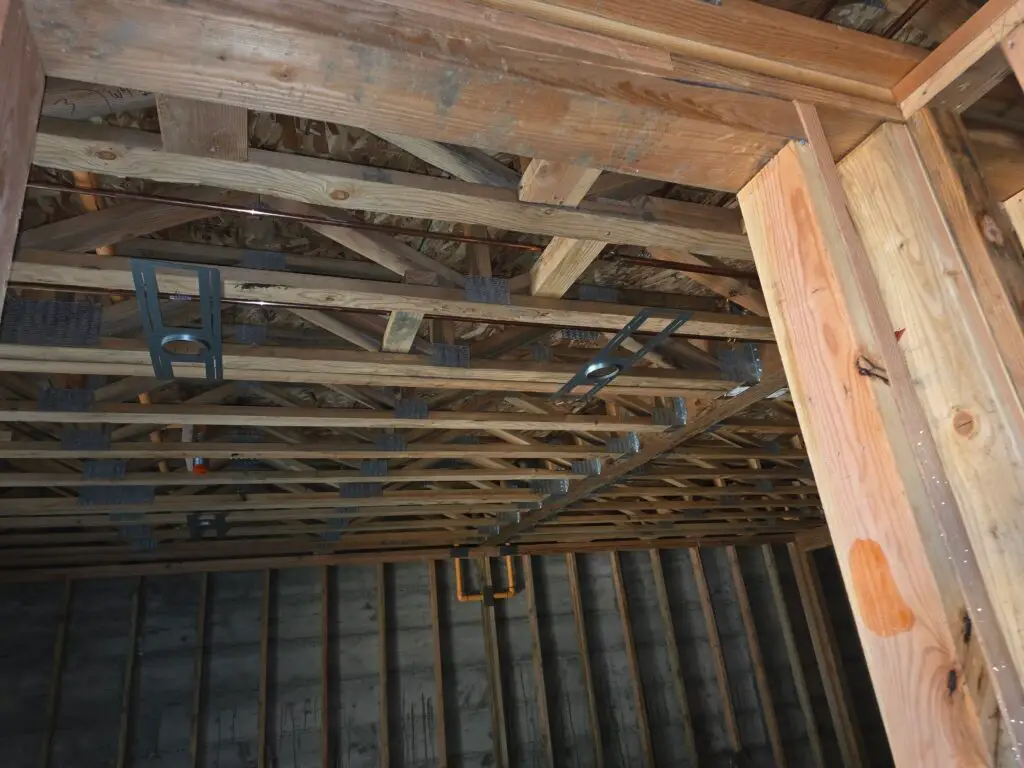
The exact contractor loadout requires a professional teflon-coated foam gun, Class A fire-blocking polyurethane foam, and high-temp silicone for hot chimney flues. Stop buying those cheap, single-use foam cans with the flimsy plastic straws at the hardware store. They drip everywhere, they clog in five minutes, and they make you look like an amateur. A real pro drops $40 on a dispensing gun. It gives you surgical trigger control to run continuous, 50-foot beads of foam without your hand cramping. Furthermore, spraying standard foam against a hot B-vent flue is a massive fire code violation under the IRC (International Residential Code). You must use high-temperature silicone and metal flashing for anything that gets hot.
| Pro Tool / Material | Estimated Cost | Why The Pros Use It (No DIY Junk) |
|---|---|---|
| Teflon Foam Dispensing Gun | $35 – $50 | Surgical precision, no dripping, saves you from buying ruined straw cans. |
| Fire-Block Polyurethane Foam | $12 – $15 per can | Expands to lock out drafts. Required for electrical wire holes and PVC stacks. |
| High-Temp Silicone Caulk | $25 – $40 | Survives 500°F. Mandatory for sealing masonry chimneys and exhaust pipes safely. |
Insider’s Tip: Never foam over a recessed “can” light unless you physically see the “IC-Rated” (Insulation Contact) stamp on the metal housing. Foaming a non-IC fixture traps the bulb’s heat, popping the thermal fuse instantly or sparking a devastating ceiling fire.
- Gear up to survive: Always wear a P100 respirator. Attic dust is full of decades-old rat feces, fiberglass shards, and roofing debris.
- Beat the heat: Start at 6:00 AM. Attics hit deadly OSHA heat-stress limits by mid-morning.
- Don’t crash through the ceiling: Bring a 2×4 piece of plywood to kneel on. One slip off the joists, and your leg is going straight through your living room ceiling.
- Keep it breathing: Never foam your soffit vents shut. Your roof needs to breathe to prevent rot.
Where are the worst money-leaking gaps hiding?
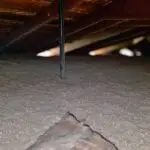
The worst money-leaking gaps hide exactly where drywall meets wooden top plates, around unsealed plumbing stacks, and inside open interior wall cavities. When builders frame a house, they leave massive, sloppy gaps between the ceiling drywall and the horizontal 2x4s (top plates). Want to find them instantly? Look for black, dirty fiberglass. That dirt is literally a filter mark proving that your expensive air has been escaping there for 15 years. Rip that dirty insulation back and blast a bead of foam down the seam. Massive plumbing chases behind your shower also act as giant wind tunnels. Before you even think about installing the best insulation for attic ceiling upgrades, you have to plug those giant holes with rigid foam board and seal the edges tightly.
Can a sealed attic destroy your roof if vented poorly?
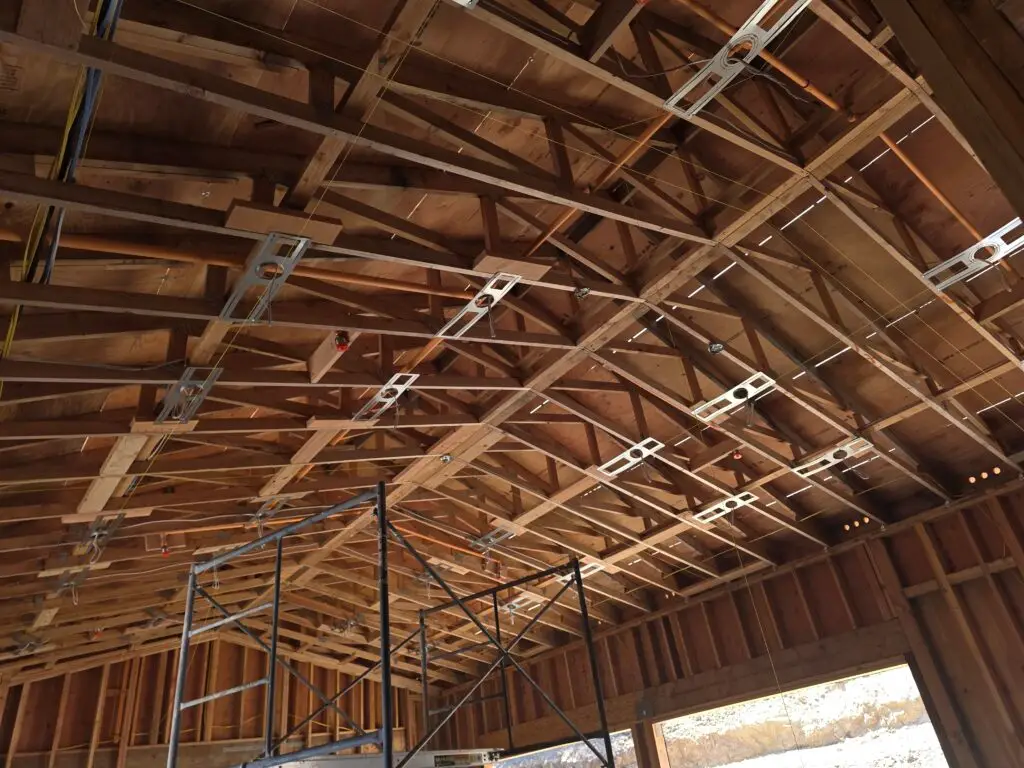
Yes, a perfectly sealed attic can destroy your roof if your bathroom and laundry exhaust fans are dumping trapped, humid air directly into the space. Here is the ultimate catch-22 of home performance: once you lock down the ceiling and make it airtight, your home can no longer “leak” away moisture. If your dryer or bathroom fan vents into this newly sealed attic instead of through the roof, you will grow a toxic mold farm on your plywood decking in a single month. Because a tight envelope relies 100% on mechanical ventilation, you cannot ignore your exhaust pipes.