
I thought I’d seen everything until I climbed into Mrs. Chen’s attic in Walnut Creek last month. She called me because she wanted to upgrade her insulation, but when I pulled down that attic ladder and shone my flashlight up there, I couldn’t even see the attic floor. Boxes stacked to the rafters. Old furniture. Christmas decorations from what looked like the 1970s. A broken exercise bike. Seriously, someone had hauled an exercise bike up there.
“Can you still insulate it?” she asked hopefully.
“Not until we get all this stuff out,” I told her.
That’s when I realized attic junk removal isn’t just part of my job at Miller Attics—it’s become one of the most common services homeowners need before we can do anything else up there. And honestly, I get it. Attics are like the ultimate storage unit. Out of sight, out of mind. Until suddenly you need that space to actually function properly.
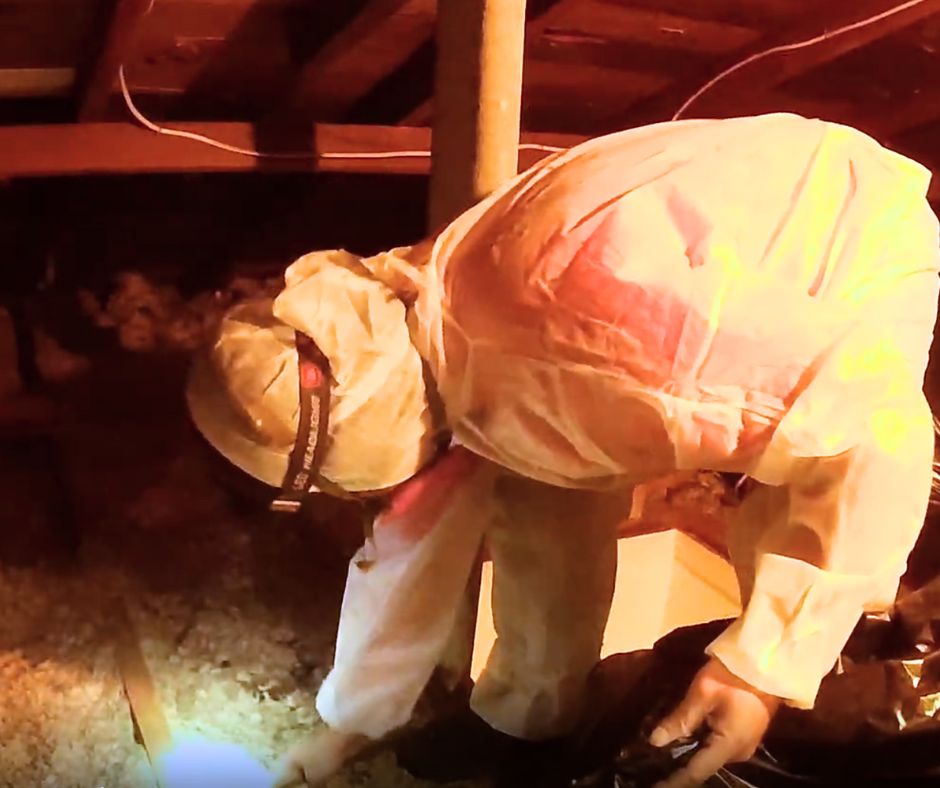
Bottom line: Your attic and crawl space aren’t just storage—they’re critical parts of your home’s performance, and filling them with junk costs you money every month.
The Day I Realized This Was a Serious Problem
My wake-up call came during my first year working attics. A family in Berkeley called about poor heating in their upstairs bedrooms. Simple enough, I thought. Probably an insulation issue.
When I got up there, I found their insulation was fine—technically. The problem was they’d buried it under probably two tons of stored belongings. Boxes of old textbooks. Luggage. Kids’ toys from a decade ago. The weight had compressed the insulation so badly it was basically useless.
Then last spring, I had a similar experience with a crawl space in Oakland. The homeowner complained about cold floors and high heating bills. When I squeezed into the crawl space junk removal job, I found it packed with old paint cans, lumber scraps, broken tools, and bags of who-knows-what. The insulation was torn down in places, and rodents had made themselves comfortable in all that clutter.
I explained that all this stuff was costing them money every month. Their heating system was working overtime because the insulation couldn’t do its job properly.
“We just thought it was storage space,” they said.
That’s when I understood that most people don’t think about attic junk removal or crawl space junk removal as essential maintenance. But every box up there, every piece of furniture, every bag of old clothes—it’s all affecting how their home performs.
What I Find During Attic and Crawl Space Junk Removal Jobs
After years of hauling stuff out of attics and crawl spaces, I’ve seen it all. Old holiday decorations are the big one in attics. I can’t tell you how many boxes of Christmas ornaments I’ve moved that haven’t been opened in years.
Then there’s the furniture graveyard. Cribs that the kids outgrew fifteen years ago. Mattresses that should have gone to the dump in 2005. I once removed an entire dining room set from an attic in Oakland. Six chairs and a table.
Crawl space junk removal brings different surprises. Construction debris from renovation projects. Old plumbing parts. Concrete blocks. Rolls of wire. Paint cans that have been down there since the ’90s. One crawl space I cleared had seventeen five-gallon buckets of dried-up joint compound. Seventeen.
Boxes of papers, sports equipment, mystery items nobody can identify—they show up everywhere. Last week during an attic junk removal job, I pulled out a box of VHS tapes from the ’80s, and the homeowner had no idea they were up there.
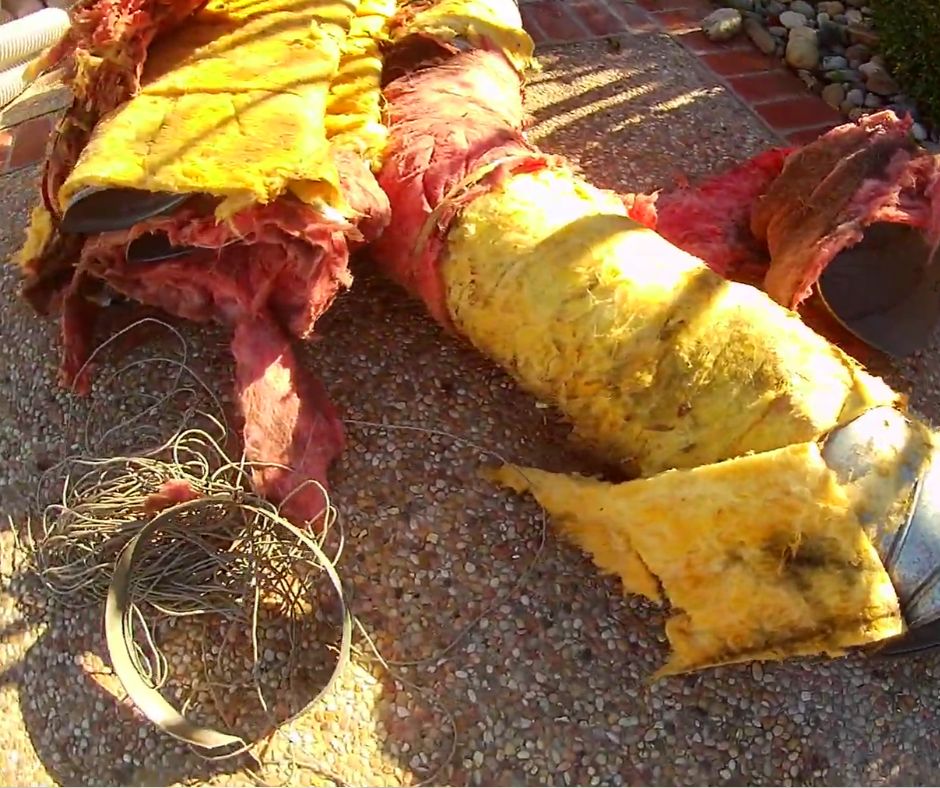
In short: Most of what people store in attics and crawl spaces is stuff they forgot existed and will never use again.
Why This Isn’t Just About Making Space
Here’s what I tell every homeowner when we start talking about attic junk removal or crawl space junk removal: this isn’t just about decluttering. These spaces are part of your home’s mechanical system. They affect your energy bills, your indoor air quality, your HVAC performance, even your structural integrity.
All that weight matters. I’ve seen attic floors sagging under the load of stored belongings. When you pile boxes on top of insulation, you compress it. Compressed insulation loses its effectiveness. So even if you paid for good insulation, if it’s squashed under storage, it’s not doing its job.
In crawl spaces, the problems are different but just as serious. Stored junk blocks ventilation, traps moisture, and creates perfect conditions for mold and wood rot. During almost every crawl space junk removal project, I find evidence of mice or rats living in the clutter. Droppings everywhere, chewed materials, nests made from shredded paper.
Ventilation gets blocked all the time in both spaces. Your attic needs airflow. Hot air needs to escape in summer. Moisture needs to vent out in winter. Block those vents with junk, and you’re creating problems.
The pest situation is real. Rodents love clutter. It gives them places to hide and nest. Cluttered attics and crawl spaces are pest paradise.
Real talk: Every box you’re storing up there is probably costing you more in energy bills than the stuff inside is worth.
My Junk Removal Process and Why It Takes Time
When someone calls for attic junk removal or crawl space junk removal, they often ask, “How long will it take?” They’re thinking maybe a couple hours. I usually give them a realistic timeline: plan on a full day minimum, sometimes two or three days depending on how much is up there.
Here’s why it takes time. First, I assess what’s up there. How much stuff? What kind? Any structural concerns? Hazards?
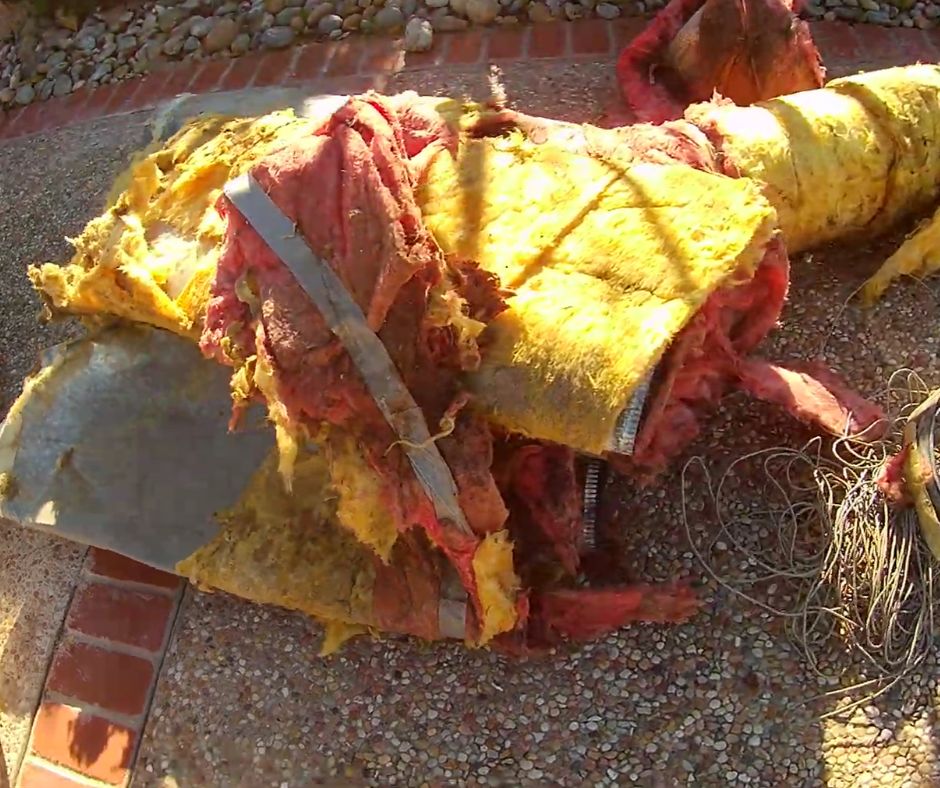
Then comes sorting. I bring items down, and homeowners decide: keep, donate, or trash. Some people are decisive. Others want to open every box and reminisce. I get it—there are memories up there. But this phase can really extend the project.
The actual hauling is physical work. Attic access points aren’t big. I’m squeezing through a small opening, pulling down boxes and furniture. Crawl space junk removal is even harder—I’m on my hands and knees or belly-crawling, dragging stuff through tight spaces.
I’m also watching for damage the whole time. Sometimes I find roof leaks hidden by boxes. Sometimes there’s old wiring that needs attention. During crawl space junk removal, I often discover moisture problems, foundation cracks, or inadequate vapor barriers that were hidden by all the junk.
Finally, there’s disposal. I haul everything away, separate recyclables, and donate usable items. The goal isn’t just to empty the space—it’s to do it responsibly.
The Emotional Side Nobody Talks About
This might sound weird, but attic junk removal and crawl space junk removal are often emotional for homeowners. People store things because they’re not ready to let go. Kids’ baby clothes. Wedding gifts they never used. Items inherited from parents who’ve passed away.
I had a client in Piedmont who started crying when we pulled down a box of her daughter’s school projects. “I haven’t looked at this stuff in twenty years,” she said.
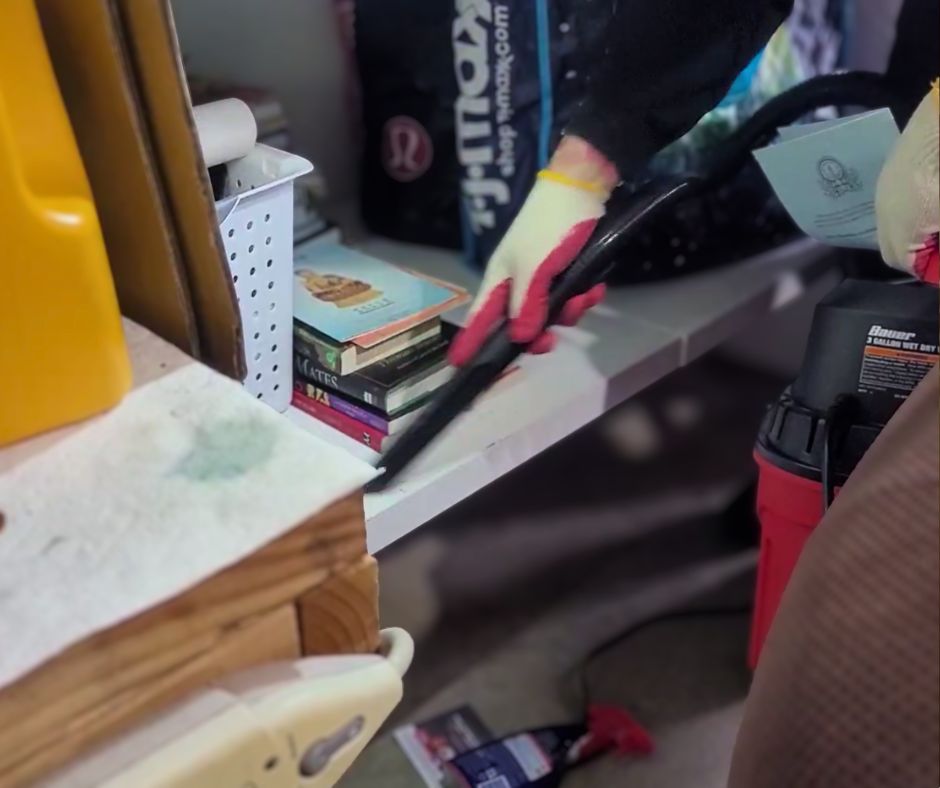
“There’s no rush,” I told her. “We can take a break.”
That’s part of the job that doesn’t get talked about much. Sometimes people need time to process. They need to take photos before letting items go. I build that into my schedule.
Simple truth: Letting go of stored junk isn’t just physical—it’s often an emotional process that takes patience.
When Junk Removal Reveals Bigger Problems
Last fall during an attic junk removal project in North Oakland, I was halfway through when I noticed the insulation in one corner looked dark. I moved boxes and found roof decking completely rotted through. You could see daylight through holes.
The homeowner had no idea. Boxes had covered a slow roof leak for years.
That’s one reason I’m thorough. Once the space is clear, I can see what’s actually going on. And sometimes what I find needs immediate attention.
I’ve discovered mold hidden behind stored furniture. I’ve found rodent infestations blocked by boxes. During crawl space junk removal jobs, I’ve seen standing water, damaged vapor barriers, and termite damage that was completely hidden by stored debris.
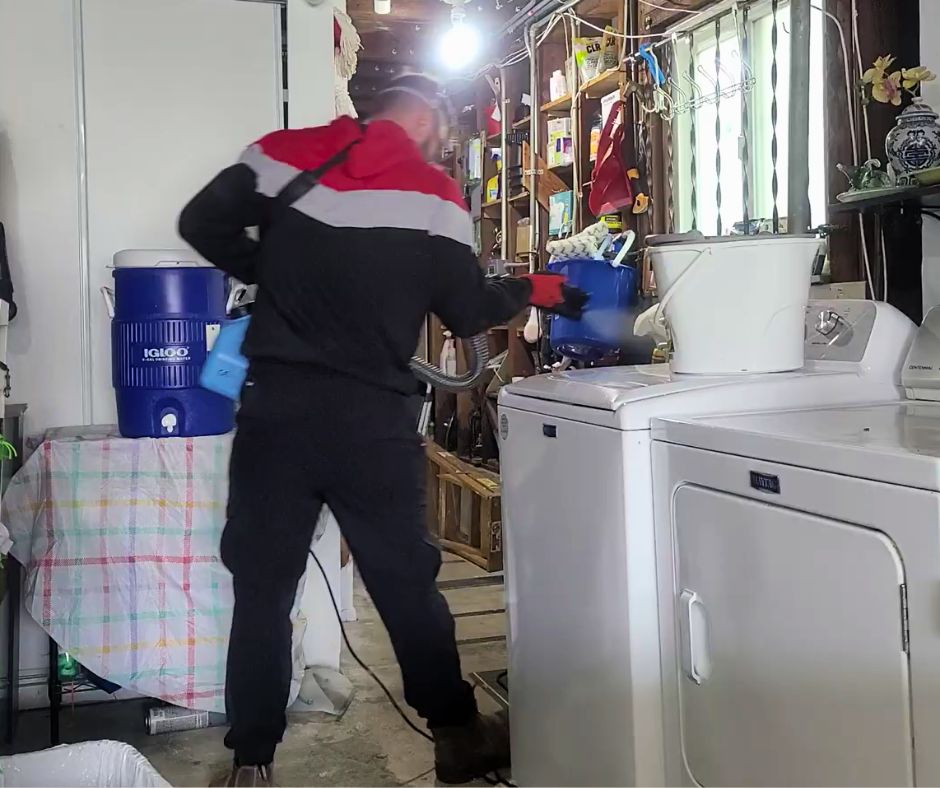
The good news is that attic junk removal and crawl space junk removal often become the first step in solving bigger problems. Once the space is clear, we can upgrade insulation, fix leaks, seal rodent entry points, improve ventilation. The junk removal makes everything else possible.
What to Do Before Calling Me
If you’re thinking about attic junk removal or crawl space junk removal, here’s my advice for making it smoother.
Take a quick look yourself. Get a sense of how much you’ve accumulated. Photos help me give accurate estimates.
Start making decisions early. Think about your goals. Are you keeping anything? The more decisive you can be, the faster it goes.
Ask family members if they want anything. Make those calls before we start so you’re not coordinating it while I’m standing there with a box.
Be honest about hazardous materials. Paint, chemicals, old electronics—some items need special disposal handling.
The Results That Make It Worth It
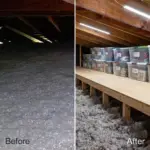
After we finish, I always invite homeowners to look at their empty space. The reaction is always surprise and relief.
“I forgot how much space was up here,” they say.
Then we talk about what’s possible now. We can upgrade insulation. We can improve ventilation. We can seal air leaks. We can address structural or moisture issues.
But my favorite reactions are from people who feel lighter afterward. “I feel like I can breathe,” one homeowner told me after her attic junk removal project.
Why Everyone Should Clear These Spaces Every Few Years
After doing countless attic junk removal and crawl space junk removal jobs, I believe this should be regular maintenance. Every few years, go up there and honestly assess what you’re storing.
Ask yourself: When did I last use this? Does anyone remember this is here? Is storing this costing me money?
Most of the time, the answer leads to junk removal being the right choice. Once that space is clear, your attic and crawl space can actually do their jobs—protecting your home and maintaining proper temperature control.
If you’re in the Bay Area looking at your attic hatch or crawl space access thinking, “I should probably deal with what’s down there,” give me a call at Miller Attics. I’ve hauled out everything from pianos to boxes of vinyl records to mysterious crawl space debris nobody could identify.
Attic and crawl space junk removal isn’t glamorous work, but it’s satisfying. And it’s the first step toward having spaces that work for your home instead of against it.