
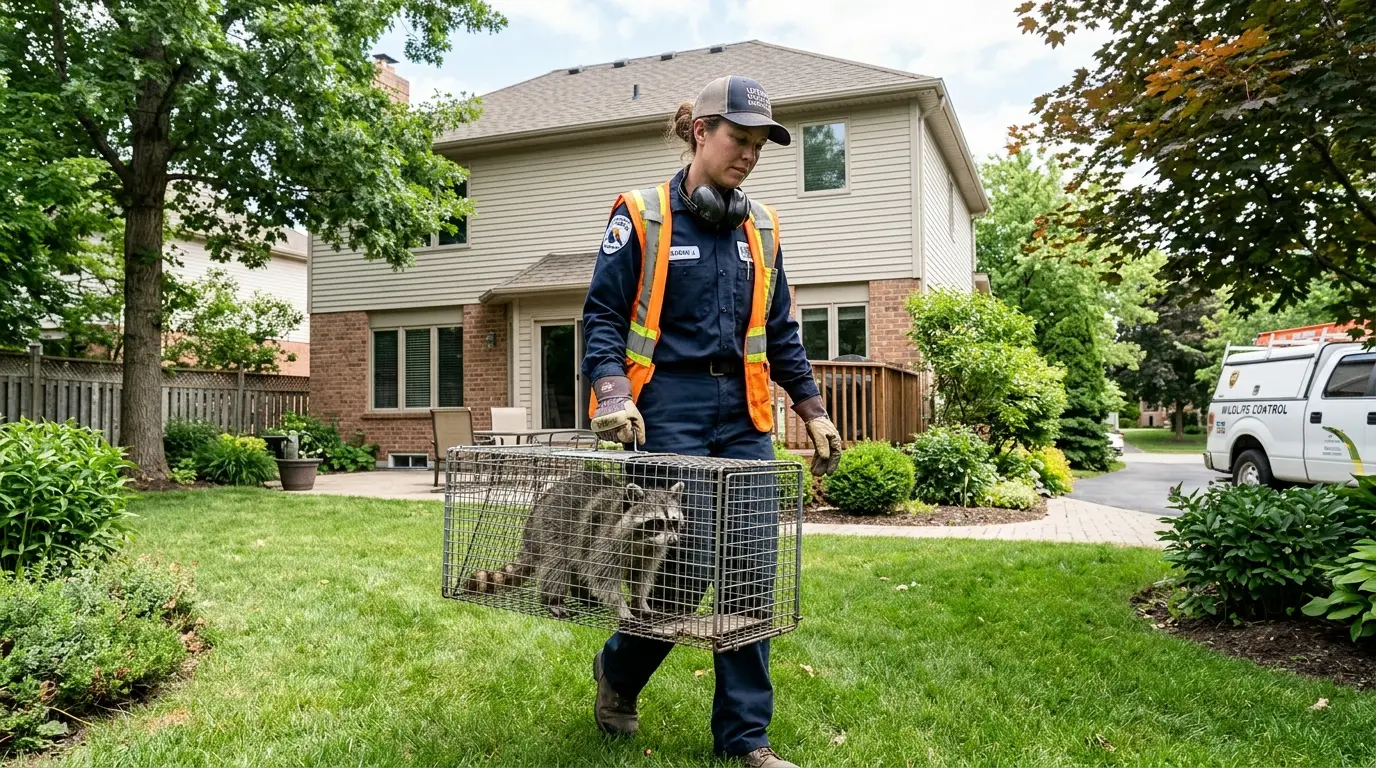
Wildlife trapping is the strategic capture and relocation or removal of nuisance animals from your property.
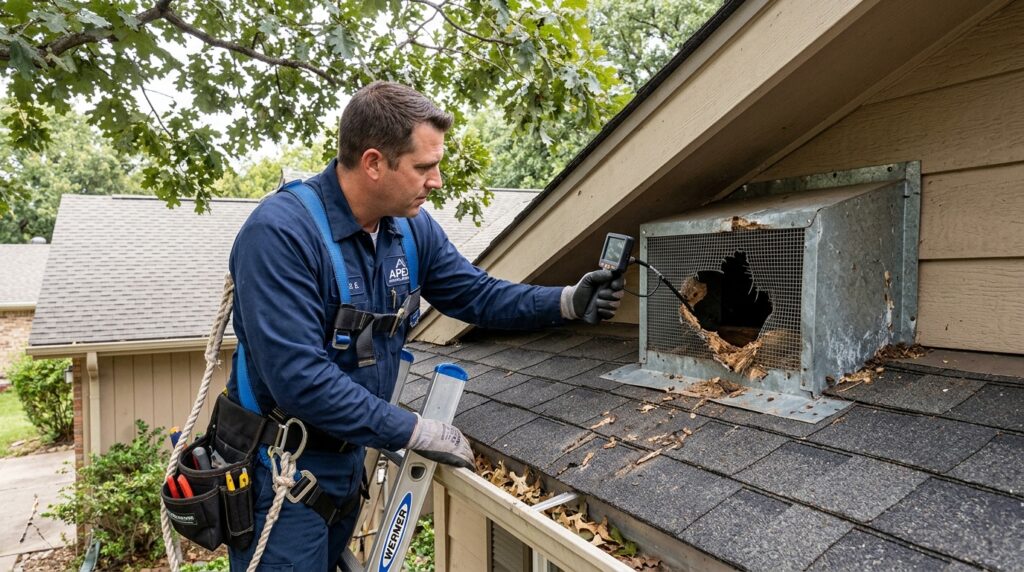
When I get called out to a home in the Bay Area, the first thing I do is a thorough inspection. You cannot just place a cage randomly and hope for the best. Effective wildlife trapping requires understanding the specific animal’s behavior, identifying their entry points, and knowing their daily travel routes. I look for footprints, droppings, and chew marks to determine exactly what we are dealing with. Once I identify the culprit, I set up specialized, bait-specific traps right along their natural path. This ensures that the wildlife trapping process is quick and highly targeted, catching the specific animal causing the damage without putting your pets or family at risk.
Why should I hire a professional for wildlife trapping?
You should hire a professional because we have the training, tools, and legal knowledge to remove animals safely.
A lot of homeowners think that wildlife trapping is as simple as buying a cage from the hardware store and tossing an apple inside. Unfortunately, it is never that easy. When I arrive at a job for Miller Attics, I’m bringing years of experience regarding animal psychology and safety protocols. Wild animals can carry diseases like rabies or leptospirosis, and cornered animals can become highly aggressive. Furthermore, California has strict laws dictating how wildlife trapping must be conducted, what traps are legal, and what must be done with the animal once caught. By letting me handle your wildlife trapping needs, you avoid dangerous bites, potential legal fines, and the sheer frustration of a failed DIY attempt.
Is wildlife trapping humane and safe for animals?
Yes, modern professional trapping methods prioritize the humane treatment and safety of the animals.
As someone who loves the unique ecology of the Bay Area, my goal at Miller Attics is never to cause unnecessary harm. The wildlife trapping methods I use involve live-catch mechanisms that simply secure the animal without injuring it. We check our setups frequently so that an animal is never left sitting in the heat or without water for extended periods. The entire focus of humane wildlife trapping is to resolve the human-animal conflict peacefully. Once the animal is safely secured, we follow state guidelines regarding relocation or ethical dispatch, depending on the specific species and California Department of Fish and Wildlife regulations.
How much does wildlife trapping cost in California?
The cost varies based on the animal type, infestation severity, and required repairs, but generally ranges from $300 to $1,500.
To give you a better idea of what you might expect when you call Miller Attics, I have broken down the typical expenses associated with a standard wildlife trapping project. Keep in mind that every home in the Bay Area is a little different.
| Service Type | Description | Estimated Cost |
|---|---|---|
| Inspection Fee | Initial visit to identify the animal and entry points. | $100 – $250 |
| Basic Wildlife Trapping | Setting traps and removing a single nuisance animal. | $300 – $600 |
| Complex Trapping | Removing a family of animals (e.g., raccoons with babies). | $600 – $1,200 |
| Exclusion & Repair | Sealing holes and fixing minor structural damage. | $400 – $1,500+ |
What happens after the wildlife trapping process is done?
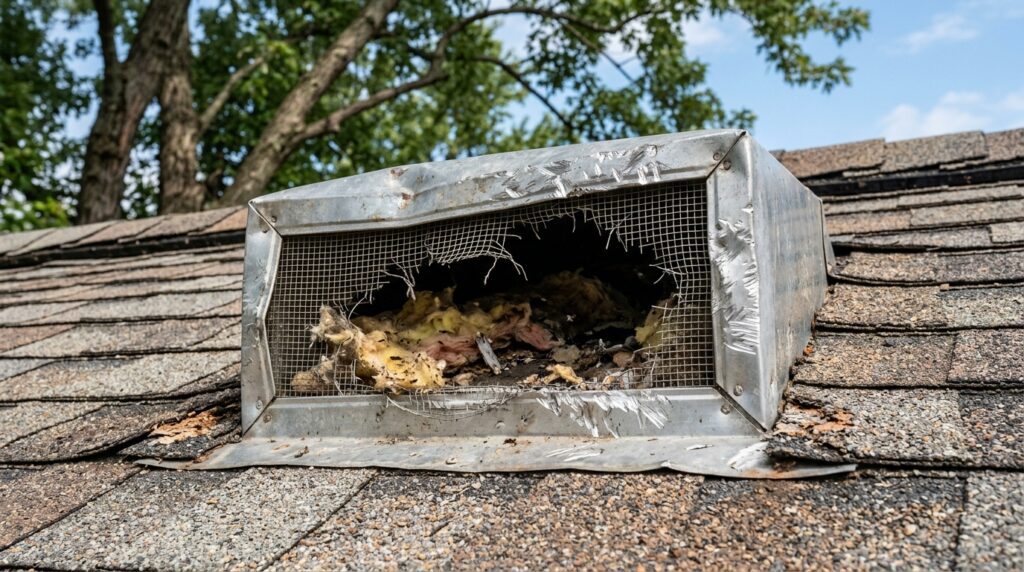
After the animals are removed, we immediately begin sealing entry points and cleaning the contaminated areas.
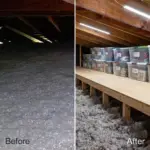
Catching the animal is really only half of the wildlife trapping process. If I just take the raccoon away and leave the giant hole in your roof, another animal will move in by next Tuesday. At Miller Attics, I take pride in our exclusion work. I will meticulously seal up every gap, vent, and weak spot using galvanized steel mesh and heavy-duty sealants. Additionally, the aftermath of an infestation usually involves droppings, urine, and ruined insulation. Proper wildlife trapping always concludes with a heavy-duty cleanup and sanitization of your attic to remove biohazards and pheromones that might attract future pests.
Can I do DIY wildlife trapping in my attic?
No, attempting DIY trapping is highly discouraged due to physical dangers, disease risks, and strict state laws.
I cannot tell you how many times I have been called to a Bay Area home because a homeowner tried to do their own wildlife trapping and made the situation much worse. Often, amateurs will trap a mother raccoon but leave her babies hidden deep inside the walls. Those babies will eventually perish, causing an unbearable odor and a massive fly infestation in your house. Furthermore, if you handle the traps improperly, you expose yourself to ticks, fleas, and dangerous pathogens. For your own peace of mind and safety, always leave wildlife trapping to experienced professionals who know exactly how to handle these unpredictable situations.