
Spray foam insulation can be a game-changer for your home’s energy efficiency. As someone who has worked with insulation for over a decade, I’ve seen firsthand how DIY spray foam insulation can save money and improve comfort. Let’s dive into the essentials you need to know.
What Is DIY Spray Foam Insulation?
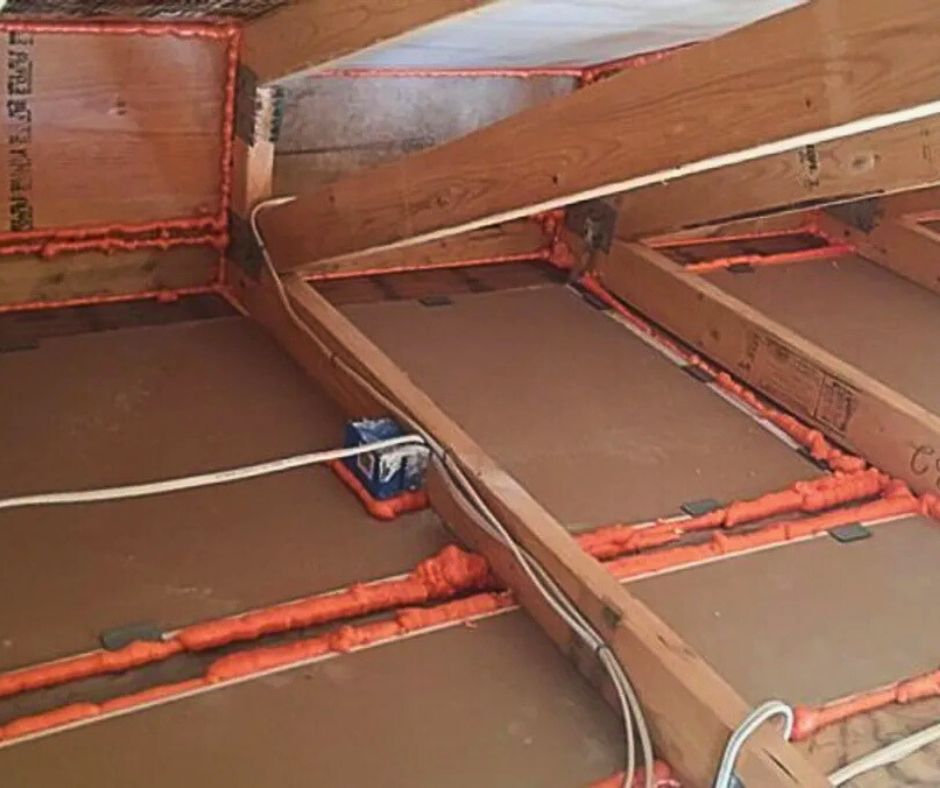
DIY spray foam insulation is a method homeowners use to insulate their spaces. It involves spraying a foam mixture that expands and hardens, sealing gaps and cracks. This method is popular for its superior insulating properties.
During my career, I’ve seen homes where traditional insulation failed, but spray foam made a significant difference. It not only insulates but also acts as a moisture barrier, which is crucial in preventing mold.
Why Choose DIY Spray Foam Insulation?
Choosing DIY spray foam insulation can lead to substantial savings. Hiring professionals can be costly, whereas doing it yourself reduces labor costs. Additionally, spray foam has a high R-value, meaning it provides excellent thermal resistance.
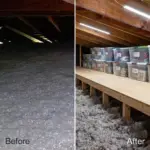
I recall working on a project where we replaced fiberglass with spray foam. The homeowner reported a noticeable drop in energy bills and an increase in overall comfort. The initial investment in materials paid off within a few years.
How Do You Apply DIY Spray Foam Insulation?
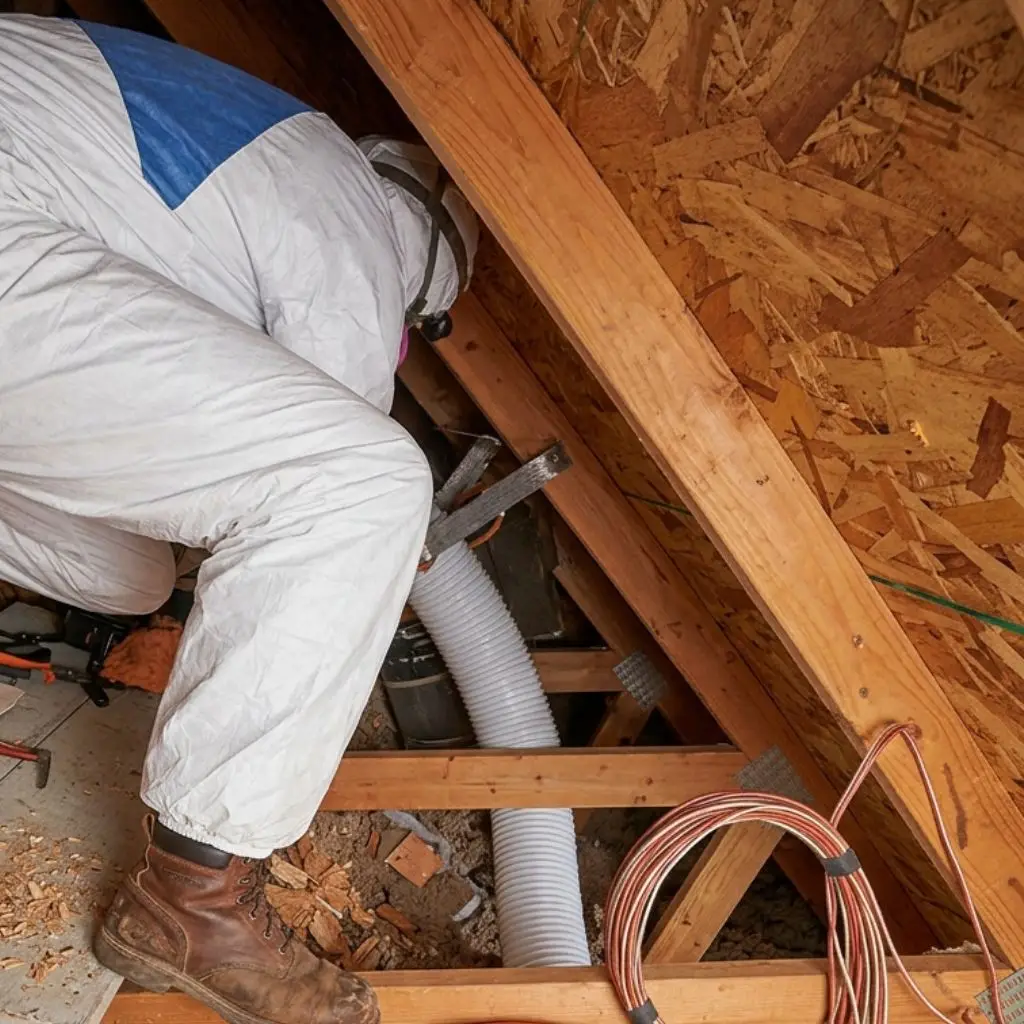
Applying DIY spray foam insulation requires careful preparation and safety measures. First, wear protective gear such as gloves, goggles, and a mask. Ensure the area is clean and dry before application.
I’ve learned from experience that patience is key. Start by spraying a small amount and let it expand. It’s easy to apply too much, which can lead to waste and a messy job. Always follow the manufacturer’s instructions for the best results.
What Are the Benefits of DIY Spray Foam Insulation?
The benefits of DIY spray foam insulation are numerous. It improves energy efficiency, reduces noise, and increases the structural integrity of your home. It also helps in minimizing air leaks, which can account for up to 30% of your home’s energy use.
In one of my projects, a client was struggling with noise from a nearby highway. After applying spray foam insulation, the noise level dropped significantly, improving their quality of life.
Are There Any Downsides to DIY Spray Foam Insulation?
While DIY spray foam insulation offers many benefits, there are downsides to consider. It can be tricky to apply, and mistakes can be costly. Additionally, the initial cost of materials can be higher compared to other insulation types.
I’ve encountered homeowners who underestimated the complexity of application. It’s vital to research thoroughly and be prepared for a learning curve. However, with the right approach, the results can be rewarding.
How Much Does DIY Spray Foam Insulation Cost?
The cost of DIY spray foam insulation varies. Typically, it ranges from $1 to $2 per board foot. Factors influencing cost include the type of foam and the area you need to cover.
From my experience, investing in quality materials pays off. Cheap options may save money upfront but often don’t perform as well or last as long. I always advise investing wisely in materials to ensure durability and effectiveness.
In conclusion, DIY spray foam insulation is a viable option for homeowners looking to improve energy efficiency and comfort. By understanding the process and potential challenges, you can successfully tackle this project and enjoy the long-term benefits it provides.