
Customers call me every single day panicking over their winter heating bills. They hold a massive utility bill in one hand, stare up at their ceiling, and immediately wonder about the overall cost to insulate attic spaces properly. During my eight years working in the field for Miller Attics, I pull up to homes where the HVAC systems run non-stop because the upper thermal barrier essentially does not exist. People assume that rolling out a few pink fiberglass batts over the joists will magically solve their drafting issues and completely drop their monthly expenses. However, achieving genuine energy efficiency requires utilizing specific materials, performing correct structural preparation, and demanding professional execution. In reality, the overall cost to insulate attic areas depends directly on the current condition of your home, the physical depth of the thermal barrier you need, and the specific high-grade materials we choose to apply.
Understanding the true financial investment of upgrading your home’s thermal barrier requires looking past quick fixes and evaluating your specific structural needs.
The Mechanics of a Proper attic insulation installation
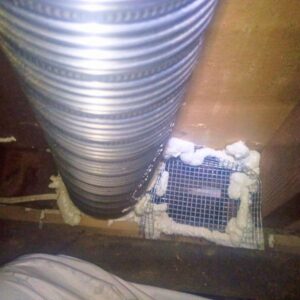
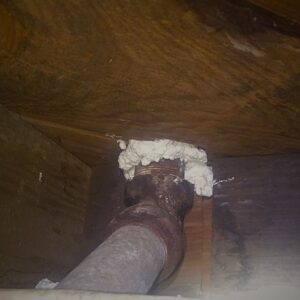
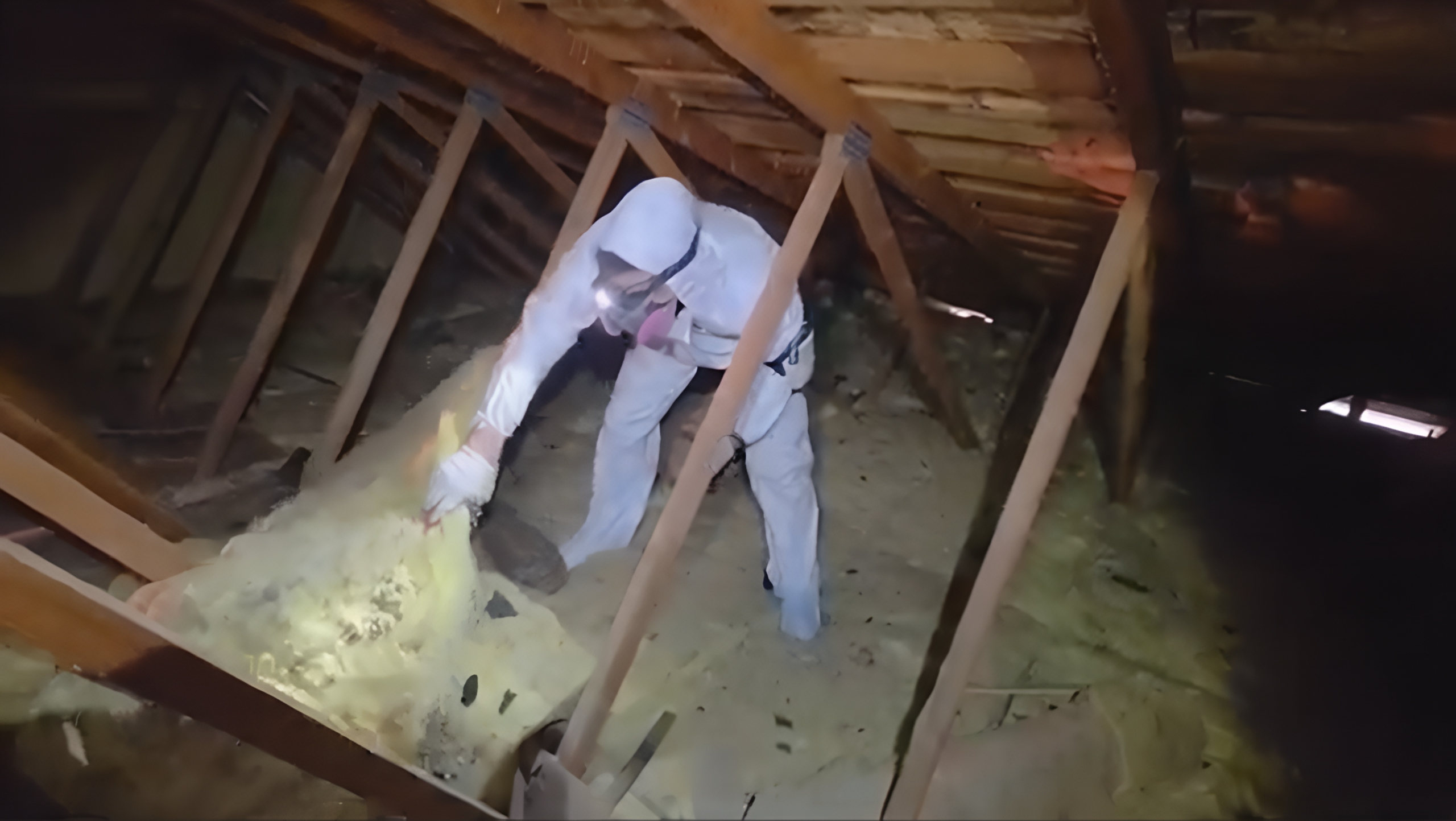
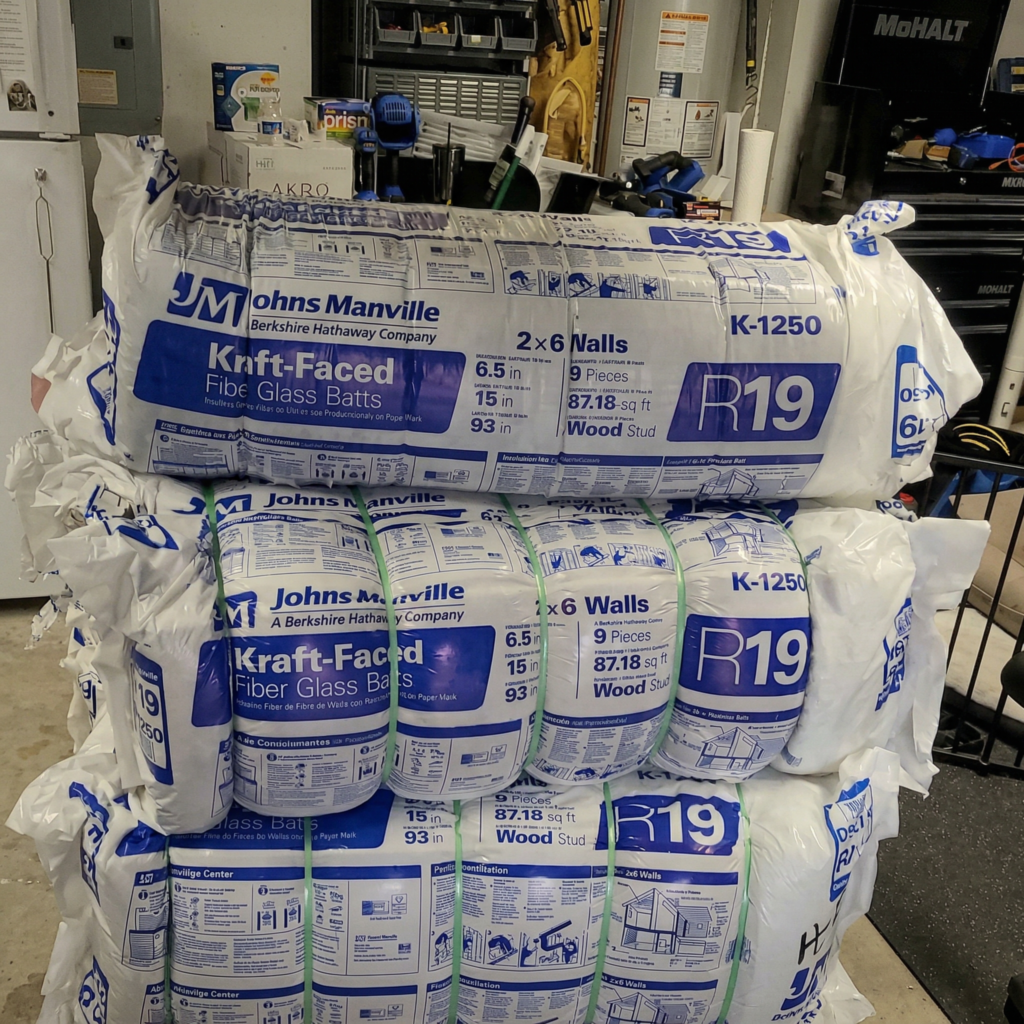
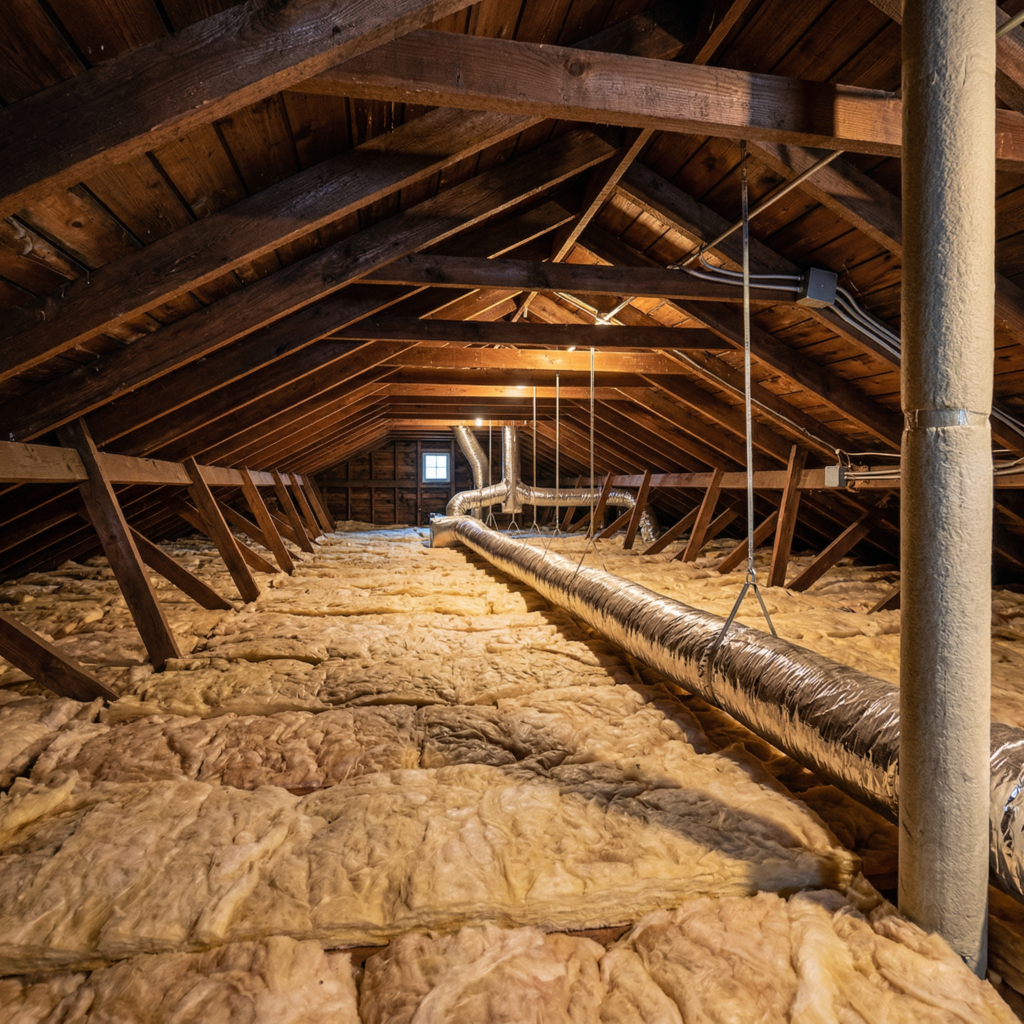
When homeowners attempt to tackle this major project themselves, they usually skip the most vital structural steps to save a few dollars. I constantly see failed DIY attempts where property owners just throw fresh material right on top of heavily soiled, flattened, and useless debris. A professional attic insulation installation involves significantly more labor than simply blowing fluffy material into a dark space. First, I physically remove the old, degraded material, especially if rodents previously nested inside it or if old roof water leaks ruined its thermal resistance. Next, I crawl meticulously through the cramped, dark corners to permanently seal every visible air leak around light fixtures, plumbing stacks, and electrical wires using professional-grade expanding foam. Finally, I secure proper ventilation baffles before I even bring the blowing machine hose into the house. Consequently, the comprehensive cost to insulate attic cavities includes this intense preparatory labor, which ultimately prevents future moisture damage and guarantees the new material performs exactly as rated.
A successful project demands extensive preparation, including old debris removal and thorough air sealing, before any new thermal material enters the space.
Why searching for attic insulation near me changes the price
Geography strictly dictates local building codes, which directly dictates your required project budget. When customers type “attic insulation near me” into a search engine, they often find wildly different price estimates depending heavily on their exact regional climate zone. Here in our specific service area, the Department of Energy requires a strict thermal resistance rating, known as an R-value, to adequately combat our harsh seasonal temperature swings. If I drive out to a newer residential home built just five years ago, I might only need to blow in ten inches of premium cellulose to bring the property up to the modern local code. Conversely, if I visit a historic farmhouse built eighty years ago with entirely empty joist cavities, I have to install significantly more material to hit that exact same required R-value target. Therefore, the baseline cost to insulate attic environments fluctuates heavily based on the exact depth and volume of material required by your local municipal climate guidelines.
Your geographic location and local climate codes strictly determine the required material thickness, which directly influences your total project budget.
Choosing the best materials for your roofing insulation
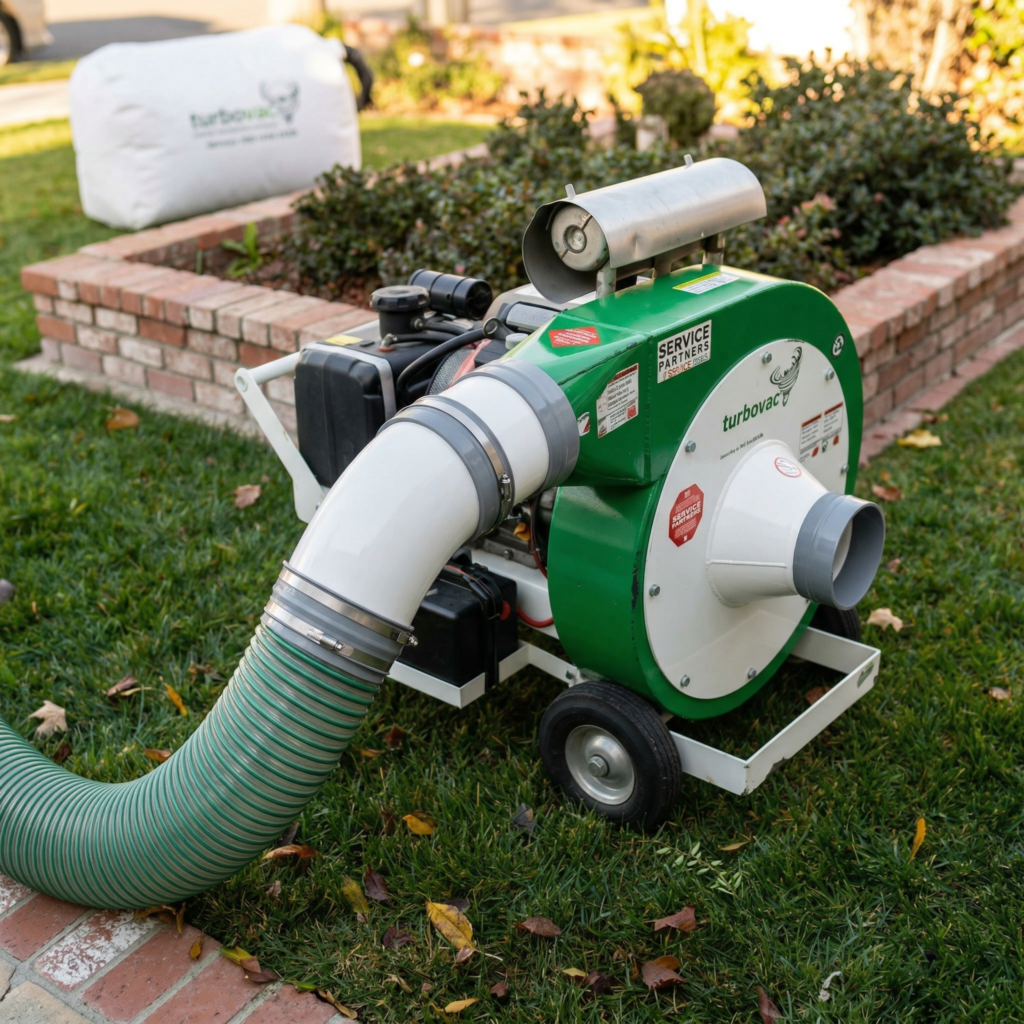
You cannot accurately price a major home improvement project without selecting the absolute right defensive barrier against the outside elements. Often, clients specifically ask me to install traditional fiberglass rolls because they recognize the material from hardware store advertisements, but modern roofing insulation offers far superior, highly efficient alternatives. I personally prefer blowing in premium, densely packed cellulose for most standard residential upgrades because it settles perfectly into odd-shaped cavities, actively blocking aggressive air currents far better than traditional fiberglass batts. Cellulose also contains non-toxic borate treatments that naturally repel destructive insects and fiercely resist mold growth, providing excellent long-term structural value. On the other hand, if a customer decides they want to convert their upper storage area into a conditioned living space, I highly recommend applying closed-cell spray foam directly to the underside of the bare roof deck. Naturally, selecting a high-end product like closed-cell spray foam significantly increases the overall cost to insulate attic structures, but it delivers an absolutely impenetrable air and moisture barrier.
Selecting the specific type of thermal material, whether blown-in cellulose or advanced spray foam, drastically alters both the structural performance and the final price tag.
Hidden Factors Impacting the Cost
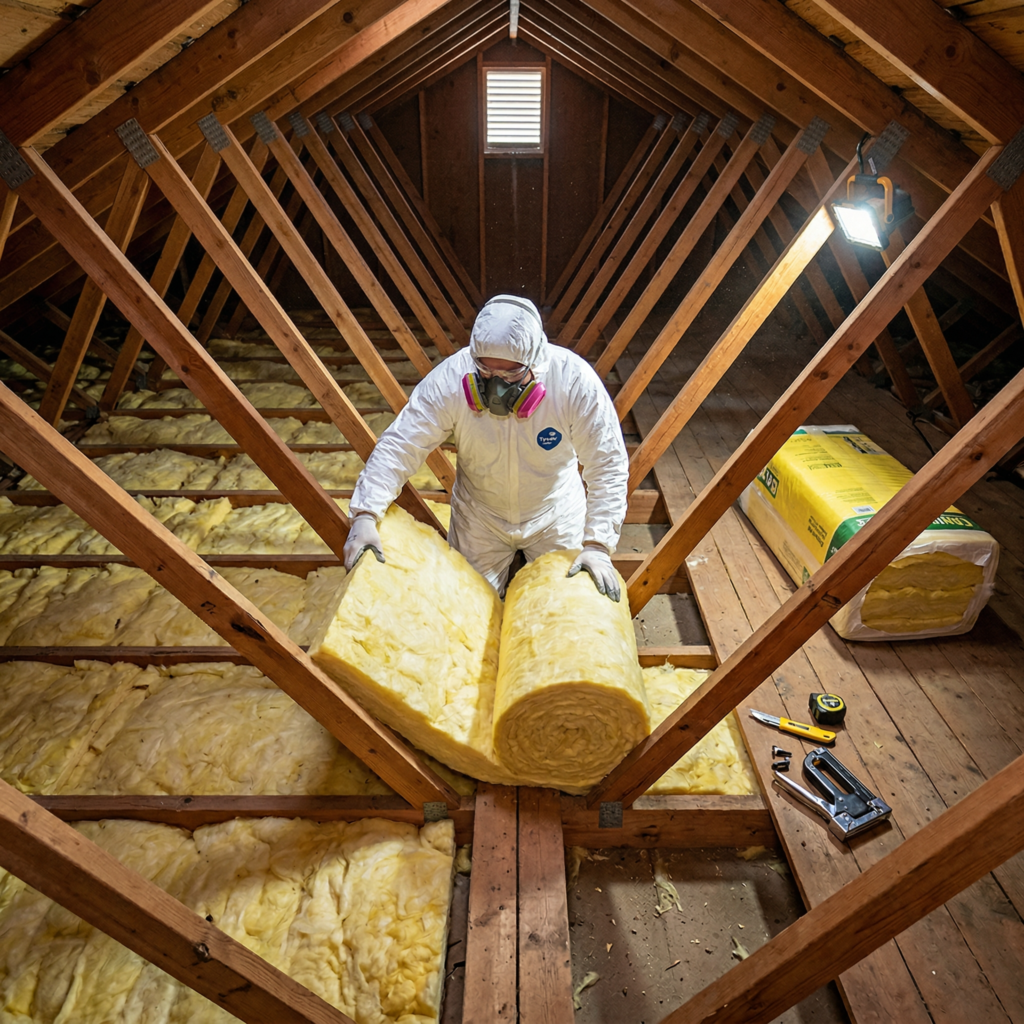
Sometimes, the absolute biggest expenses hide entirely out of sight until I climb up the ladder, open the access hatch, and shine my bright flashlight directly into the dark corners. Last winter, I visited a family who complained bitterly about a strange odor bleeding through their ceiling drywall, alongside their skyrocketing heating bills. I suited up in my protective gear, climbed inside, and immediately discovered a massive raccoon latrine completely destroying their existing thermal barrier. The animals had shredded the original fiberglass, compacted the material into heavy mats, and deeply soaked the wooden ceiling joists with biological waste. Before I could even begin to calculate the standard cost to insulate attic spaces, I had to quote them for a full hazardous material extraction, rigorous antimicrobial sanitation, and heavy-duty structural exterior exclusion work. You simply cannot safely apply fresh, clean cellulose on top of active biological waste or thriving mold colonies because the contamination quickly spreads upward into the new material. Therefore, unforeseen structural damage, active pest infestations, and necessary roof leak repairs frequently add mandatory steps that drive up the final professional invoice.
Hidden problems like pest infestations, mold growth, or roof leaks require mandatory professional remediation that will inevitably increase the total project expenses.
The Importance of Proper Ventilation
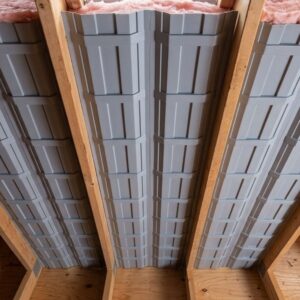
Many amateur contractors completely ignore basic airflow dynamics when trying to offer the absolute lowest possible bid to win a job. I constantly fix botched jobs where cheap installers simply blew four feet of thick material across the entire floor, completely suffocating the critical soffit vents positioned down at the roof eaves. When you block these vital fresh air intakes, trapped moisture condenses permanently inside the house, quickly leading to rotting roof decking and highly destructive ice dams on your exterior gutters. I always spend a significant amount of time meticulously installing rigid plastic baffles between every single roof rafter before I ever start blowing the new thermal blanket. These rigid baffles physically hold the fluffy material back, guaranteeing a continuous, strong channel of fresh air flows smoothly from the lower soffits straight up to the top ridge vent. Including proper airflow management completely changes the cost to insulate attic floors, but skipping this incredibly vital step essentially guarantees you will pay thousands of dollars in structural roof repairs just a few short years later.
Investing in proper airflow management prevents catastrophic moisture damage and ensures your brand-new thermal barrier functions safely and correctly over time.
Calculating the Long-Term Return on Investment
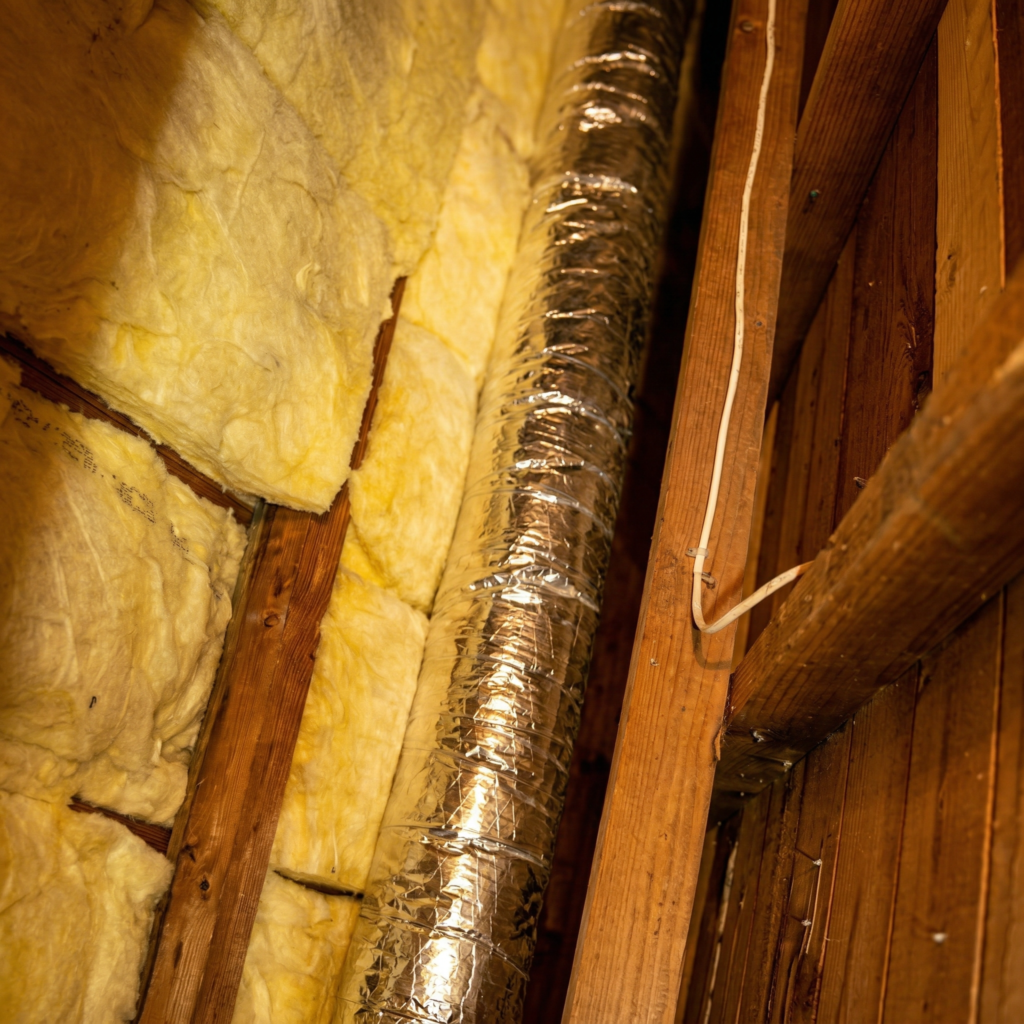
You absolutely have to view this entire structural process as a highly profitable long-term financial investment rather than a painful, unavoidable maintenance chore. Whenever a hesitant customer actively questions the upfront cost to insulate attic environments, I politely ask them to pull out their last twelve months of utility bills. Most poorly sealed residential homes lose roughly thirty percent of their expensive, heavily conditioned air straight up through the permeable ceiling drywall. By establishing a dense, modern thermal barrier, you immediately trap that generated heat safely inside your living room during the freezing winter and effortlessly block the blazing solar heat radiating downward during the sweltering summer. My clients regularly report seeing their monthly HVAC expenses drop by twenty to thirty percent within the very first month after we complete the massive job. Consequently, the hard-earned money you spend on our detailed professional services typically pays for itself completely through massive utility savings within just three to five years.
Creating a highly efficient thermal barrier drastically reduces your monthly utility bills, allowing the initial project investment to pay for itself relatively quickly.
Wrapping Up and Securing Your Home
Wrapping up a massive, exhausting project and immediately feeling the noticeable temperature difference inside a client’s home remains the absolute best part of my daily job. I pack up my heavy hoses, climb down my ladder, and confidently hand the keys back to the relieved homeowner, knowing their family will definitively sleep much warmer that night. At Miller Attics, we completely refuse to cut corners, we strongly demand proper airflow management, and we exclusively utilize premium, durable materials that truly last a lifetime. If you are incredibly tired of wearing heavy winter sweaters in your own living room or cringing every single time your loud heater kicks on, it is time to take aggressive action. To give you a much clearer picture of what to expect financially when you finally call us for help, I have answered the two most common pricing questions our front office receives on a daily basis.
Hiring a dedicated professional team guarantees a comfortable, energy-efficient home and provides lasting, valuable peace of mind for your entire family.
Frequently Asked Questions
how much does it cost to insulate an attic? For a completely empty, uninsulated space, our standard installation typically ranges between $1,500 and $3,500. This price heavily depends on your home’s total square footage and the specific R-value depth we need to achieve using our premium blown-in cellulose or fiberglass materials.
how much does it cost to re insulate an attic? When we handle existing older properties, the overall expense usually runs between $2,500 and $5,500, because the project requires intensive labor to safely extract all the old, contaminated material before we can thoroughly air-seal the floor and finally install the brand-new thermal barrier.