
When it comes to keeping your home comfortable and energy-efficient, few investments pay off as dramatically as proper attic insulation. But with so many attic insulation companies manufacturing materials and countless contractors offering installation services, how do you make the right choice? As a professional who’s worked with Miller Attics for years, I’ve seen firsthand how the quality of both materials and installation can make or break your home’s performance.
In this comprehensive guide, I’ll walk you through the major attic insulation companies, compare different insulation types, and explain why choosing a licensed contractor is absolutely essential for your project’s success.
Understanding the Major Attic Insulation Companies
The insulation industry is dominated by several major manufacturers, each with their own strengths, product lines, and market positioning. Let’s examine the most prominent attic insulation companies and what sets them apart.
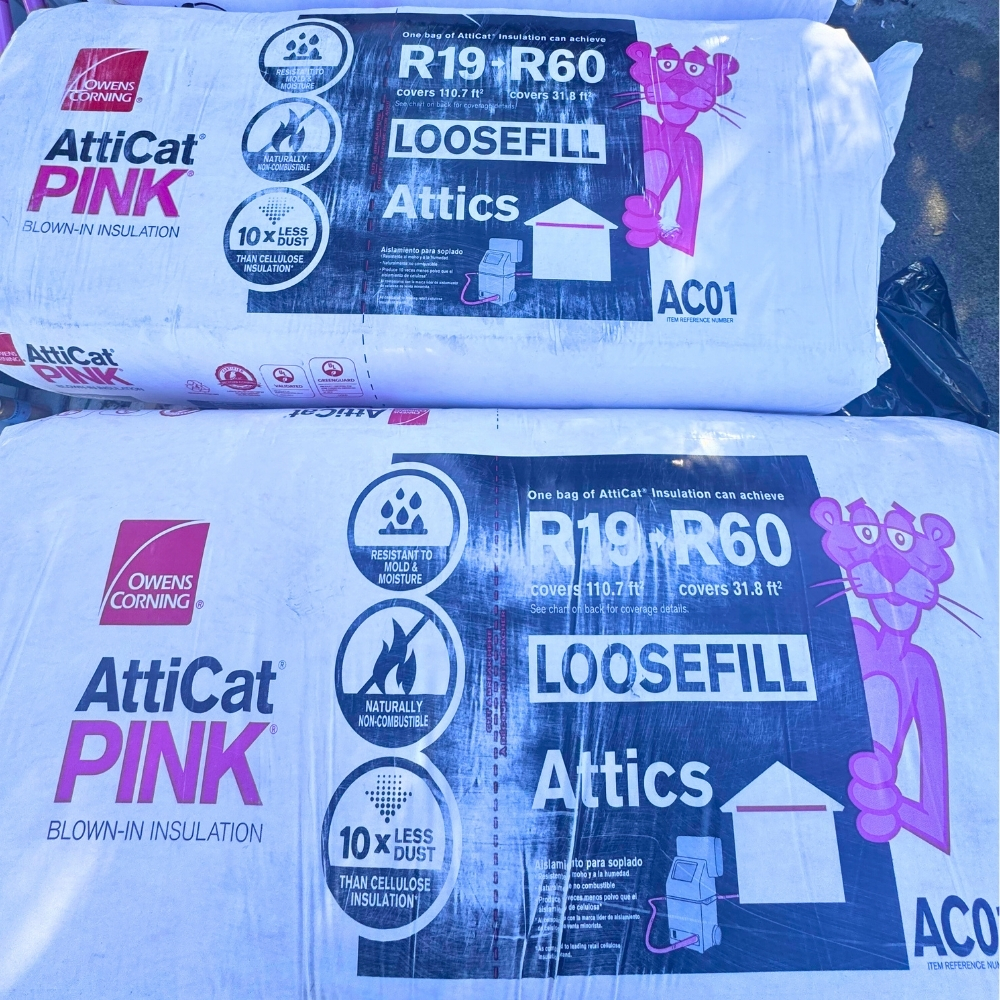
Owens Corning
Overview: Founded in 1938, Owens Corning is arguably the most recognized name in insulation. Their signature pink fiberglass insulation has become almost synonymous with home insulation itself.
Products: They manufacture fiberglass batts, rolls, and blown-in insulation, with R-values ranging from R-11 to R-60 for attic applications.
Advantages:
- Extensive product testing and quality control
- Wide availability through major retailers
- Excellent fire resistance
- Long track record of performance
- Strong warranty programs
- Comprehensive technical support
Disadvantages:
- Premium pricing compared to some competitors
- Fiberglass can irritate skin during installation
- Requires professional installation for optimal performance
Market Position: Owens Corning is considered a premium, high-quality choice among attic insulation companies. Their products consistently perform well and are often specified by architects and building professionals.
CertainTeed (Saint-Gobain)
Overview: Part of the French multinational Saint-Gobain, CertainTeed has been manufacturing insulation products in North America since 1904.
Products: They offer fiberglass batts, blown-in fiberglass, and blown-in cellulose insulation with various R-values suitable for all climates.
Advantages:
- Excellent quality control
- Sustainable manufacturing practices
- Formaldehyde-free products
- Strong warranty coverage
- Good moisture resistance
- Competitive pricing for premium quality
Disadvantages:
- Slightly less brand recognition than Owens Corning
- Availability may vary by region
- Limited retail presence compared to competitors
Market Position: CertainTeed competes directly with Owens Corning in the premium segment and is highly respected among professional contractors.
Johns Manville
Overview: With over 160 years in business, Johns Manville (now owned by Berkshire Hathaway) is a major player in the insulation market.
Products: They manufacture fiberglass batts, rolls, and blown-in insulation, plus specialized products for specific applications.
Advantages:
- Formaldehyde-free fiberglass options
- Good performance-to-price ratio
- Strong commercial and residential presence
- Reliable product consistency
- Excellent technical documentation
Disadvantages:
- Less consumer brand recognition
- Primarily contractor-focused (limited retail)
- Fewer product options than larger competitors
Market Position: Johns Manville occupies the mid-to-premium range and is particularly popular with professional contractors who value reliability.
Knauf Insulation
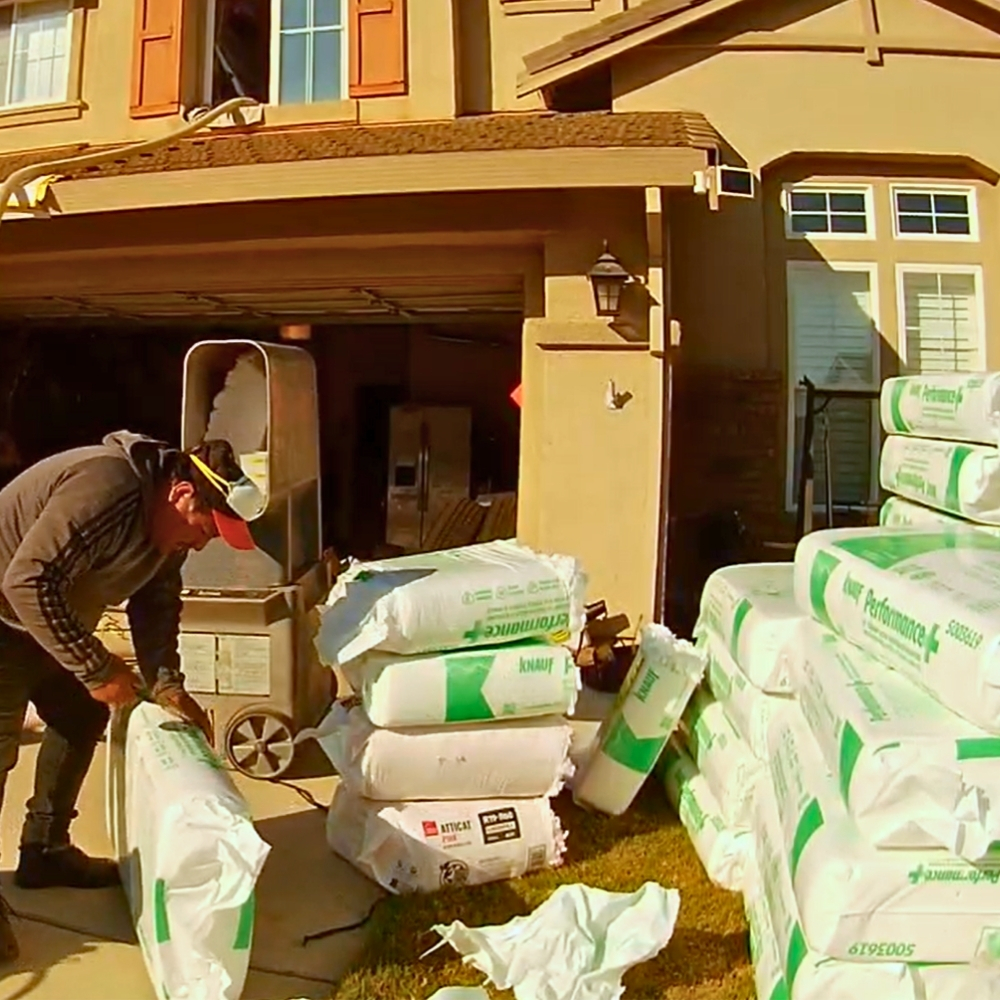
Overview: Part of the German Knauf Group, this manufacturer has grown significantly in the North American market over the past two decades.
Products: Fiberglass batts and rolls, plus their ECOSE Technology products made with bio-based binders.
Advantages:
- Eco-friendly manufacturing process
- No formaldehyde, acrylics, or artificial colors
- Softer to handle than traditional fiberglass
- Competitive pricing
- Growing product line
Disadvantages:
- Newer to North American market
- Less extensive distribution network
- Limited brand awareness among homeowners
Market Position: Knauf is positioned as a quality, eco-conscious alternative with competitive pricing, appealing to environmentally-minded consumers and contractors.
GreenFiber
Overview: Founded in 1978, GreenFiber specializes in cellulose insulation made from recycled materials.
Products: Blown-in cellulose insulation made from up to 85% recycled paper content.
Advantages:
- Excellent eco-credentials
- Superior air sealing properties
- Good soundproofing qualities
- Fire and mold resistant (treated)
- Often more affordable than fiberglass
- Made in the USA
Disadvantages:
- Requires specialized blowing equipment
- Can settle over time (reducing R-value)
- Heavier than fiberglass
- May absorb moisture in humid climates
- Professional installation essential
Market Position: GreenFiber is the leading cellulose manufacturer and appeals to homeowners prioritizing sustainability and value among attic insulation companies.
Understanding Insulation Types: Key Differences
When searching for “attic insulation companies near me,” you’ll encounter several insulation types. Understanding these differences is crucial for making an informed decision.
Fiberglass Insulation
How it works: Tiny glass fibers trap air pockets, slowing heat transfer.
Forms: Batts (pre-cut sections), rolls (continuous sheets), or loose-fill (blown-in).
R-Value: Typically R-2.2 to R-4.3 per inch.
Best for: Standard attic applications, accessible spaces, new construction.
Considerations: Non-combustible, doesn’t absorb moisture, but must be installed properly to avoid gaps.
Cellulose Insulation
How it works: Recycled paper fibers treated with fire retardants fill cavities and conform to irregular spaces.
Forms: Loose-fill only (always blown-in).
R-Value: Typically R-3.2 to R-3.8 per inch.
Best for: Retrofits, irregular spaces, over existing insulation, eco-conscious projects.
Considerations: Excellent air sealing, but can settle 10-20% over time and is moisture-sensitive.
Spray Foam Insulation
How it works: Liquid polyurethane expands and hardens, creating an air-tight seal.
Forms: Open-cell (lighter, lower R-value) or closed-cell (denser, higher R-value).
R-Value: R-3.5 to R-6.5 per inch, depending on type.
Best for: Air sealing, bonus rooms, cathedral ceilings, problem areas.
Considerations: Most expensive option, requires professional installation, excellent performance but not typically manufactured by the same companies as traditional insulation.
Why You Need a Licensed Contractor for Attic Insulation
Many homeowners consider insulation a DIY project, but this thinking often leads to disappointing results and wasted money. Even when you’ve selected products from the best attic insulation companies, improper installation can reduce effectiveness by 50% or more.
The Critical Importance of Professional Installation
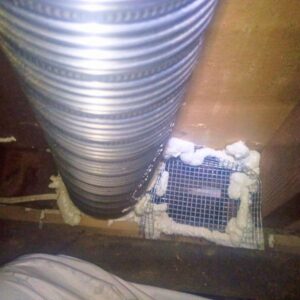
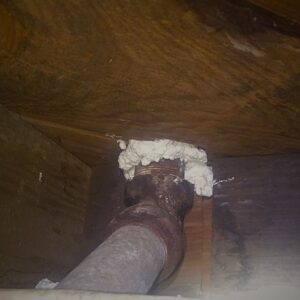
Proper Air Sealing: Before insulation goes in, air leaks must be sealed. Most homeowners miss critical gaps around plumbing penetrations, recessed lights, and top plates. Professional contractors know where to look and how to seal effectively.
Correct R-Value for Your Climate: Different regions require different insulation levels. Licensed contractors understand local building codes and climate requirements, ensuring you meet or exceed standards.
Ventilation Balance: Attics need proper ventilation to prevent moisture problems. Too much insulation installed incorrectly can block ventilation pathways, leading to mold, rot, and ice dams. Professionals maintain this critical balance.
Safety Compliance: Licensed contractors know how to handle insulation around electrical fixtures, chimneys, and other heat sources. Improper installation can create fire hazards.
Uniform Coverage: Gaps, compressions, and thin spots dramatically reduce insulation performance. Professional installation ensures consistent coverage throughout your attic.
When You Need Attic Insulation Removal Companies
Sometimes, adding new insulation isn’t the answer – you need complete removal first. Professional attic insulation removal companies become necessary when:
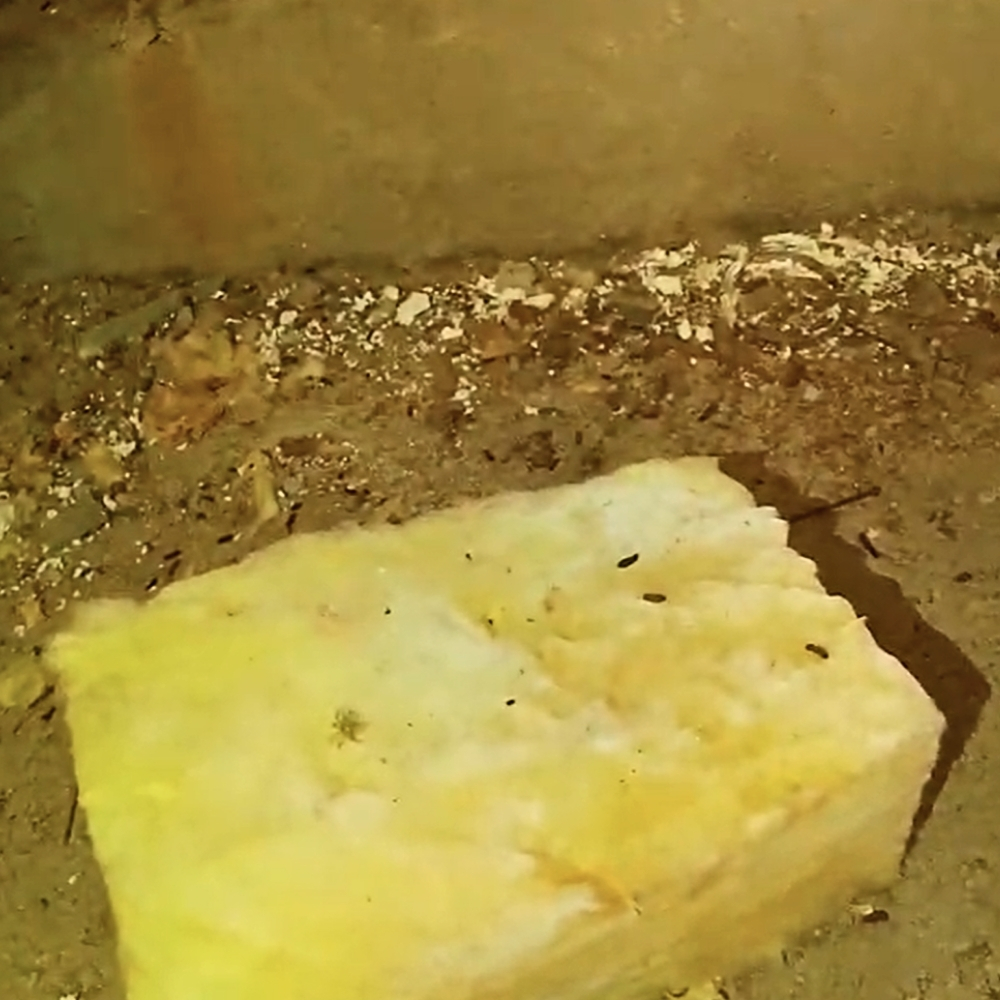
- Existing insulation is contaminated by pests or mold
- Water damage has compromised the insulation
- You’re upgrading to a different insulation type
- Old insulation contains hazardous materials
- Pest droppings or odors have permeated the insulation
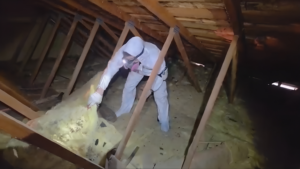
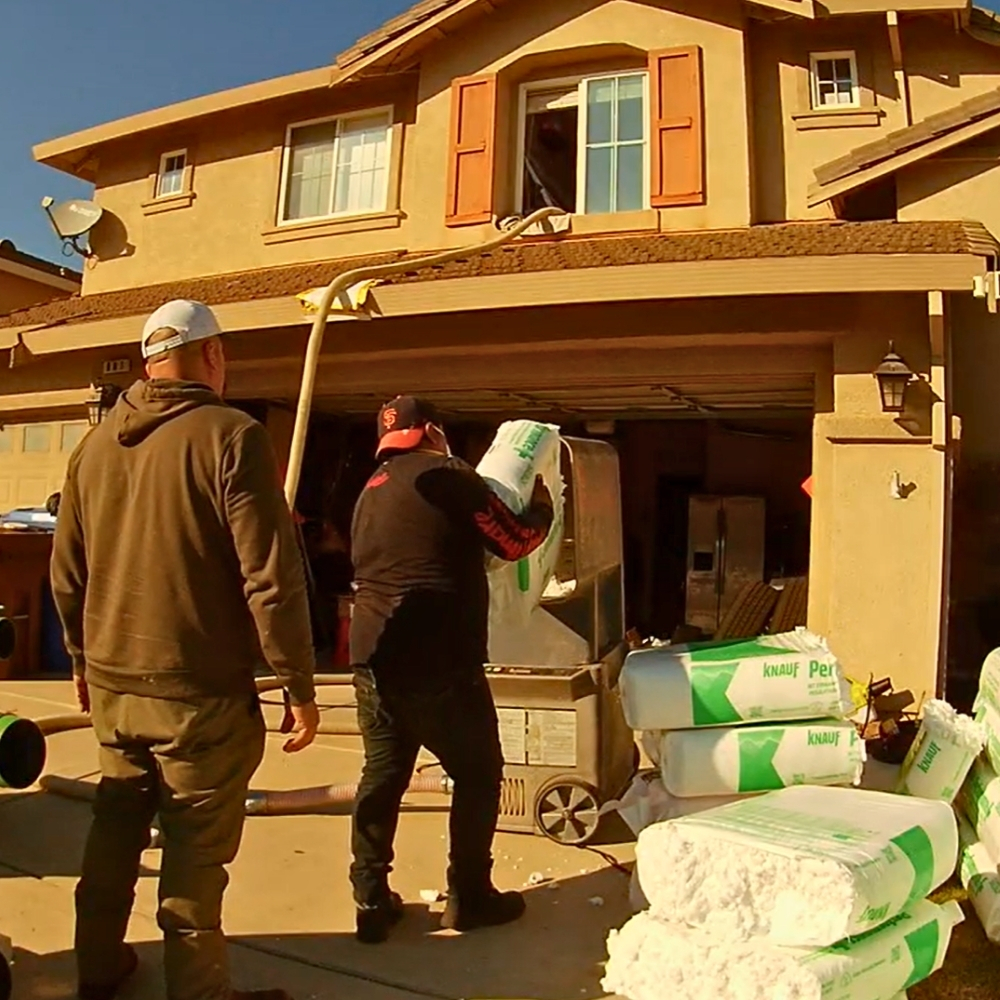
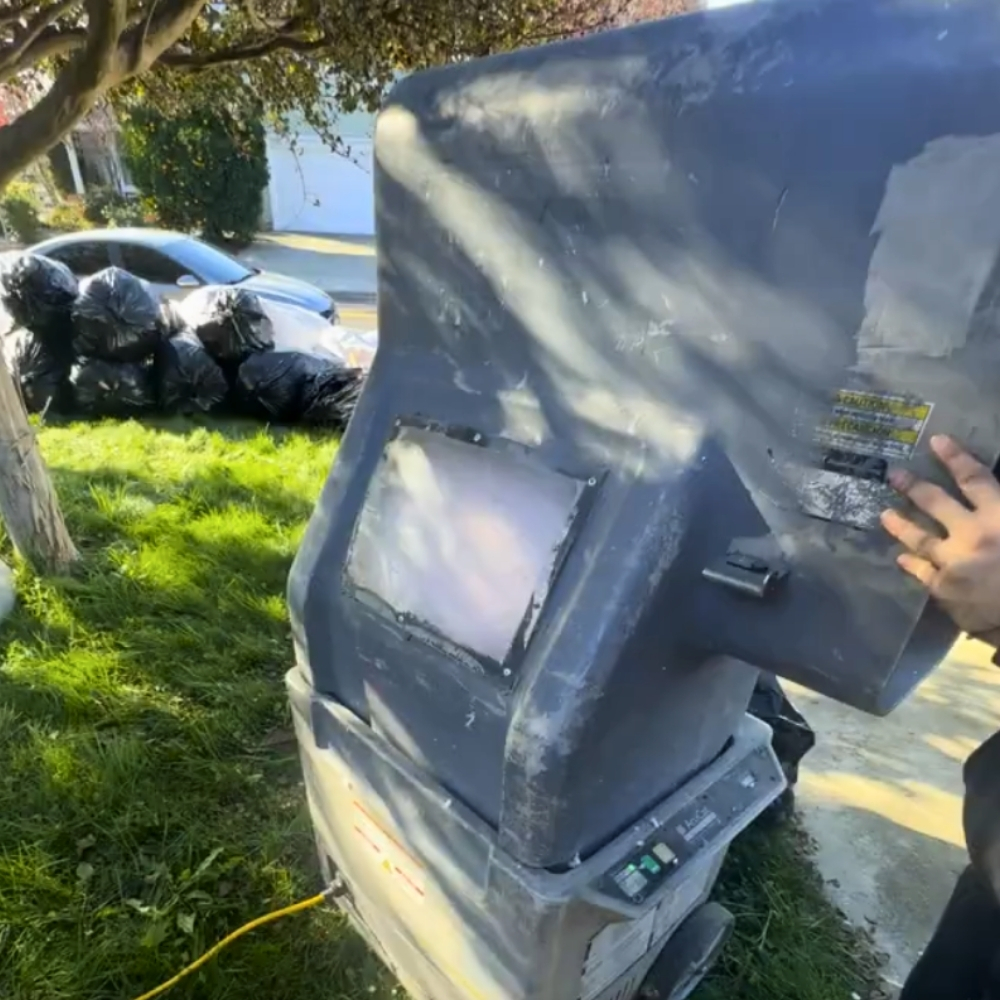
Removal requires specialized equipment, safety protocols, and proper disposal methods. This is definitely not a DIY job. Attic insulation removal companies use industrial vacuums, containment systems, and protective equipment to safely remove old materials and prepare your attic for new, effective insulation.
Why Choose Miller Attics for Your Insulation Project
When you’re ready to improve your attic insulation, partnering with Miller Attics gives you several distinct advantages over typical attic insulation companies near me:
Material Expertise: We work with products from all major attic insulation companies and can recommend the best option for your specific needs, budget, and home characteristics – not just what we have in stock.
Licensed and Insured: Our team consists of fully licensed contractors with extensive training in proper insulation installation techniques and building science principles.
Comprehensive Service: We don’t just install insulation. We start with a thorough inspection (free of charge), identify air leaks, address ventilation concerns, and ensure your entire attic system works together efficiently.
Quality Materials: We only use products from reputable attic insulation companies with proven track records. No shortcuts, no inferior materials.
Complete Solutions: If your attic needs old insulation removed, we handle that too. As experienced attic insulation removal companies, we safely extract contaminated or damaged materials before installing new, high-performance insulation.
Warranty Protection: Our professional installation protects manufacturer warranties and includes our own workmanship guarantee.
Making Your Decision
Choosing among attic insulation companies and their various products doesn’t have to be overwhelming. The key factors are:
- Climate requirements for your region
- Your budget and long-term energy savings goals
- Your home’s specific characteristics and any existing issues
- Environmental priorities if sustainability matters to you
But remember: even the best insulation from the most premium attic insulation companies will underperform if installed incorrectly. The contractor you choose matters just as much as the materials.
Miller Attics brings together expertise in material selection, professional installation, and comprehensive attic care. When searching for reliable attic insulation companies near me, you’ll find that we stand out by combining product knowledge from all major manufacturers with hands-on installation expertise. We’ll help you navigate the options, choose the right insulation for your needs, and install it correctly the first time.
Contact Miller Attics today for your free attic inspection and consultation. Let’s make your home more comfortable, energy-efficient, and valuable with properly selected and professionally installed insulation.