
When most people think about attic projects, they imagine adding new insulation to keep the house warm in winter and cool in summer. But before we can do that, there’s often one critical step that gets overlooked: Attic Insulation Removal. I’ve spent years climbing into dusty, cramped attics, and one thing I can tell you is this—sometimes the biggest improvement you can make is not by adding something new, but by safely removing what’s already there.
I’ve seen insulation so old it crumbles to dust when touched, insulation contaminated by rodents, and even insulation soaked with moisture that turned into mold. In all these cases, proper attic insulation removal is the first step toward creating a healthier, more efficient home.
Why Attic Insulation Removal Can’t Wait
Not all insulation lasts forever. I’ve walked into homes where the insulation was over 40 years old and doing nothing to protect the family inside. The attic was leaking heat in the winter, trapping it in summer, and the homeowners were paying the price with sky-high energy bills.
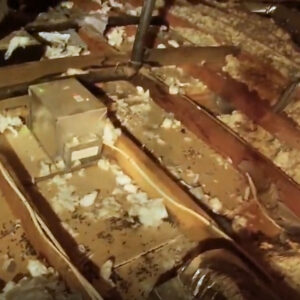
In other cases, rodents had chewed through fiberglass, leaving behind droppings that posed a serious health hazard. I once had to explain to a homeowner that the smell they’d been battling for months was coming from contaminated attic insulation. The only solution was a full Attic Insulation Removal followed by fresh material.
Moisture is another big problem. Leaky roofs or poor ventilation can cause insulation to get damp, and once that happens, mold spreads quickly. Not only does it ruin the insulation, but it also pollutes the air you breathe. That’s why I always stress to clients: removing old insulation isn’t optional—it’s essential.
The Step-by-Step Process of Attic Insulation Removal
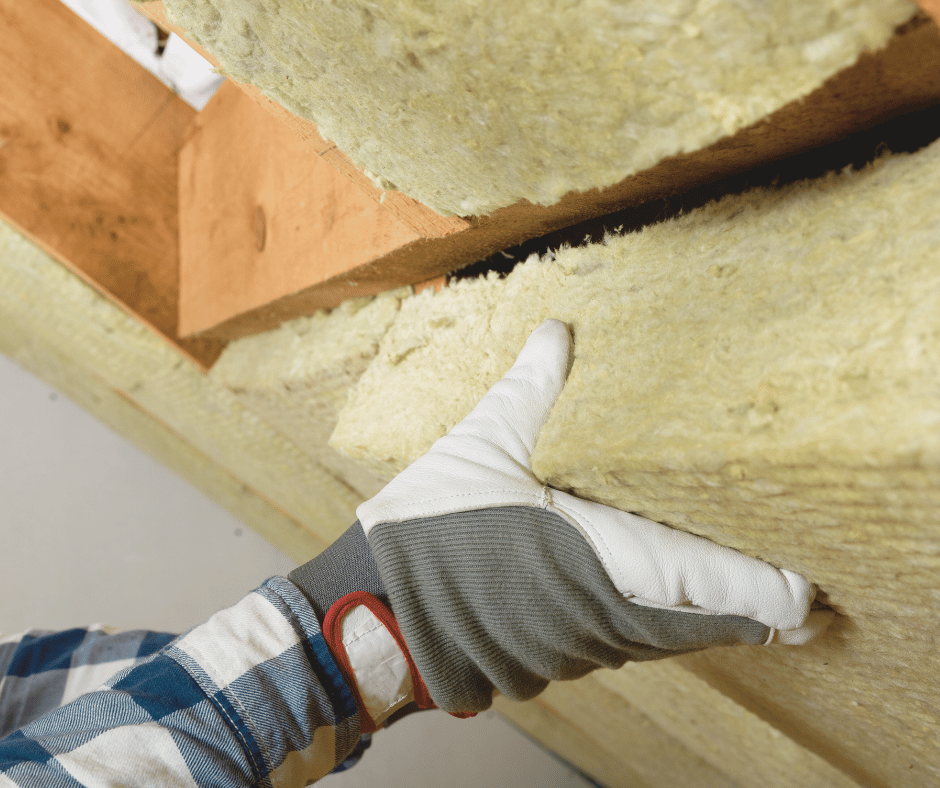
When someone hires us for Attic Insulation Removal, we start with a thorough inspection. We look for the type of insulation present, check its condition, and identify hazards like mold or rodent contamination. Once we know what we’re dealing with, we bring in specialized equipment.
One of the most important tools we use is the attic insulation vacuum. This high-powered system allows us to remove large amounts of loose-fill insulation safely and efficiently, without spreading dust and contaminants through the rest of the house. It’s sealed, filtered, and designed specifically for this type of work.
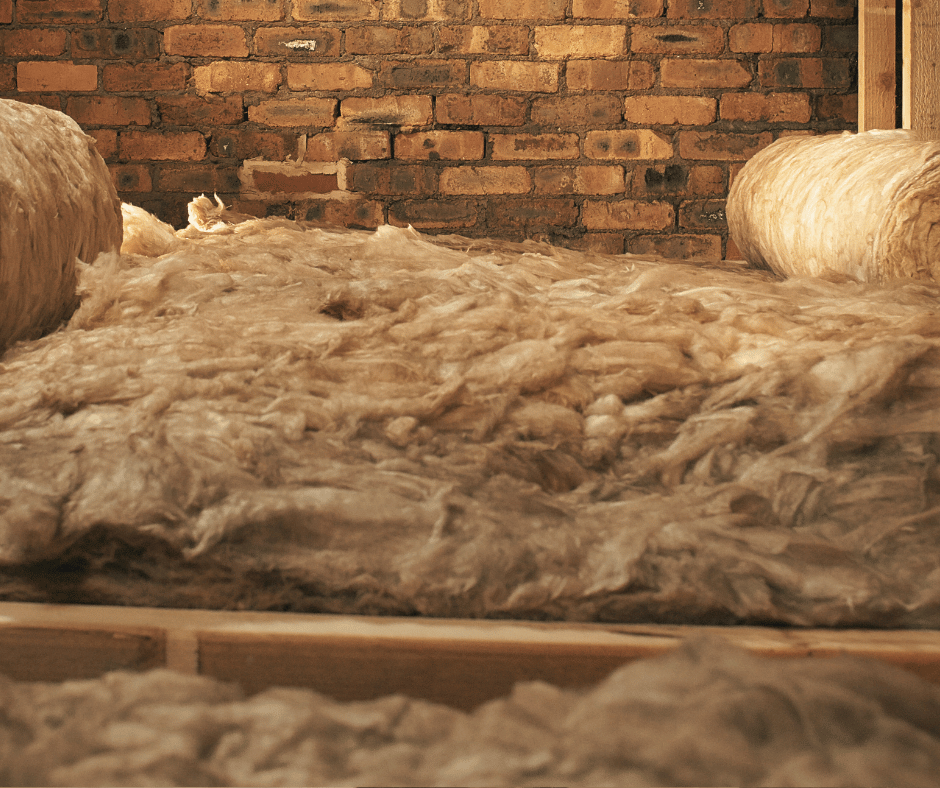
For batt insulation, the process is more manual. We carefully bag and remove the material to prevent fibers from floating into the air. Whether it’s batts or blown-in, the key is making sure the attic is left clean and safe for the next stage: replacement.
Why the Details Matter
It’s easy to think insulation removal is just about clearing old material, but every detail counts. If you leave behind small patches of contaminated insulation, or miss sealing air leaks, the new insulation won’t perform at its best. That’s why we always take our time to do it right.
A Story That Stays With Me
Last year I was called to a home where the family had just purchased the property. The house looked beautiful on the outside, but the attic told a different story. When I crawled up, I found decades-old insulation that was blackened from dust and spotted with rodent nests. The smell was overwhelming.
The homeowner had already been searching online for “attic insulation removal cost” and was worried about the expense. I explained to them that while the upfront cost may feel high, leaving that contaminated insulation in place could lead to much higher costs down the road—medical bills from poor air quality, structural damage from moisture, and wasted energy every single month.
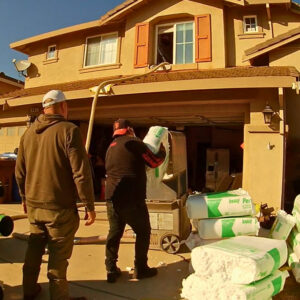
We performed a full Attic Insulation Removal, followed by an attic insulation replacement with fresh blown-in cellulose. After the job, the homeowner called me to say, “Our house feels fresh for the first time since we moved in. It doesn’t just smell better—it’s cooler, quieter, and we can breathe again.” That transformation wouldn’t have been possible without removing the old material first.
Attic Insulation Removal and Replacement: The Full Package
Many homeowners ask me if it’s really necessary to do both. The answer is almost always yes. Simply piling new insulation on top of old, contaminated, or damaged material is like putting a fresh coat of paint over a rotten wall. It might look fine for a while, but the underlying problems remain.
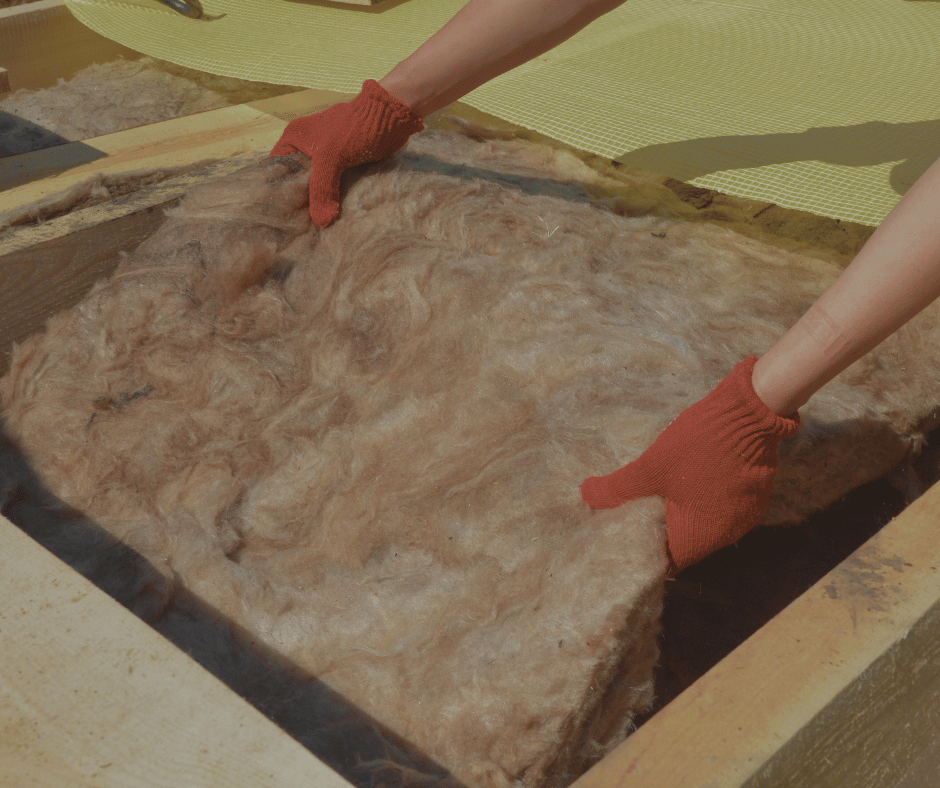
That’s why we focus on attic insulation removal and replacement as a complete service. First, we remove every bit of old insulation. Then we sanitize the attic, seal air leaks, and prepare the space. Only then do we install the new insulation. This two-step process ensures that the new material can perform at its best, without being compromised by what was left behind.
Health and Safety: The Hidden Benefits of Removal
One of the biggest lessons I’ve learned is that Attic Insulation Removal isn’t just about energy efficiency—it’s about health. Old insulation can harbor dust, mold spores, and rodent waste. When that circulates through your home, it can trigger allergies, asthma, and other health issues.
By removing it completely, you create a clean slate. Pair that with a fresh attic insulation replacement, and you get cleaner indoor air, fewer allergens, and a healthier environment for your family. I’ve seen families with young kids or elderly parents notice the difference almost immediately.
Is Attic Insulation Removal Expensive?
I get asked about attic insulation removal cost all the time. The truth is, it varies depending on the size of the attic, the type of insulation, and the condition it’s in. A clean removal of fiberglass batts in a small attic might be on the lower end, while removing contaminated blown-in insulation with rodent activity can be more involved and therefore more expensive.
But here’s the key point I always share: the cost of Attic Insulation Removal is an investment. It prevents far bigger expenses down the line, and it sets the stage for energy savings once new insulation is installed. Most of my clients find that the project pays for itself within a few years through lower utility bills and improved comfort.
Lessons From the Job
After years of crawling through attics, I’ve learned a few important truths:
- Ignoring old insulation never makes the problem go away. It only gets worse with time.
- Proper tools, like a professional attic insulation vacuum, make all the difference. Trying to do this with shop vacs or by hand is a recipe for frustration and dust everywhere.
- Homeowners often underestimate the importance of replacement. Without new insulation after removal, you’re left with an empty attic that won’t protect you from heat or cold.
Every time we do a proper Attic Insulation Removal, I’m reminded how much value there is in doing things the right way.
Final Thoughts: Why Removal Is Worth Every Effort
Looking back at the countless homes I’ve worked on, I can say this with certainty: Attic Insulation Removal is one of the most important steps toward a healthier, more efficient home. Whether the insulation is old, damaged, contaminated, or simply ineffective, removing it opens the door to real improvements.
Pairing removal with a professional attic insulation replacement means lower bills, cleaner air, and a more comfortable house year-round. And with the right team, using proper tools like an attic insulation vacuum, the process is safe, thorough, and well worth the investment.
So if you’ve been wondering about attic insulation removal cost or whether it’s worth it, my advice is simple: don’t wait. The longer bad insulation stays in your attic, the more problems it causes. Call us at Miller Attics, and let’s give your home the clean, fresh start it deserves with a professional Attic Insulation Removal and Replacement.