
As a seasoned professional with over two decades of experience in attic insulation, I’ve often encountered homeowners who are unaware that a poorly insulated attic is quietly draining their wallets and comfort. Today, I’m here to share the wisdom I’ve gathered over the years and provide you with actionable advice on addressing this often-overlooked issue.
Why Does a Poorly Insulated Attic Matter?
A poorly insulated attic leads to energy loss and increased utility bills. When an attic lacks proper insulation, it cannot retain heat during the winter or keep cool air during the summer. This thermal imbalance forces your HVAC system to work overtime, resulting in higher energy consumption and costs. Picture this: I was once called to a beautiful Victorian-style home where the owner complained of sky-high energy bills. Upon inspection, I found the attic’s insulation had an R-value of just 10, well below the recommended 38. Upgrading the insulation slashed their energy costs by nearly 25%.
How Can I Identify If My Attic Is Poorly Insulated?
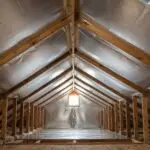
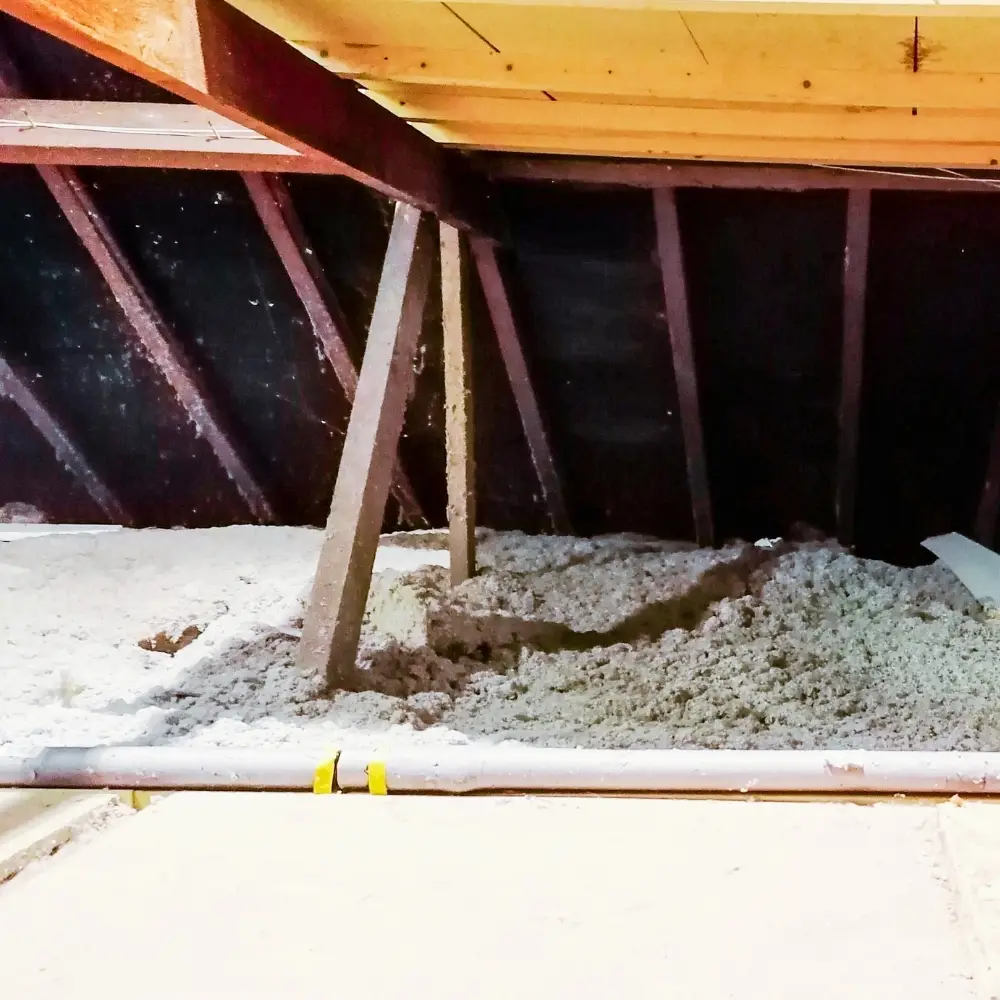
Look for uneven temperatures and high energy bills to identify poor insulation. Common signs include rooms under the attic being unusually hot or cold and unexplained rises in heating and cooling costs. A quick homemade test involves looking for visible beams in your attic; if they’re exposed, your insulation is inadequate. During an inspection, I use a thermal imaging camera to visualize heat loss areas, a tool that’s become indispensable in my work.
What Are the Best Solutions for Attic Insulation?
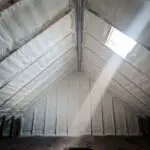
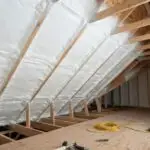
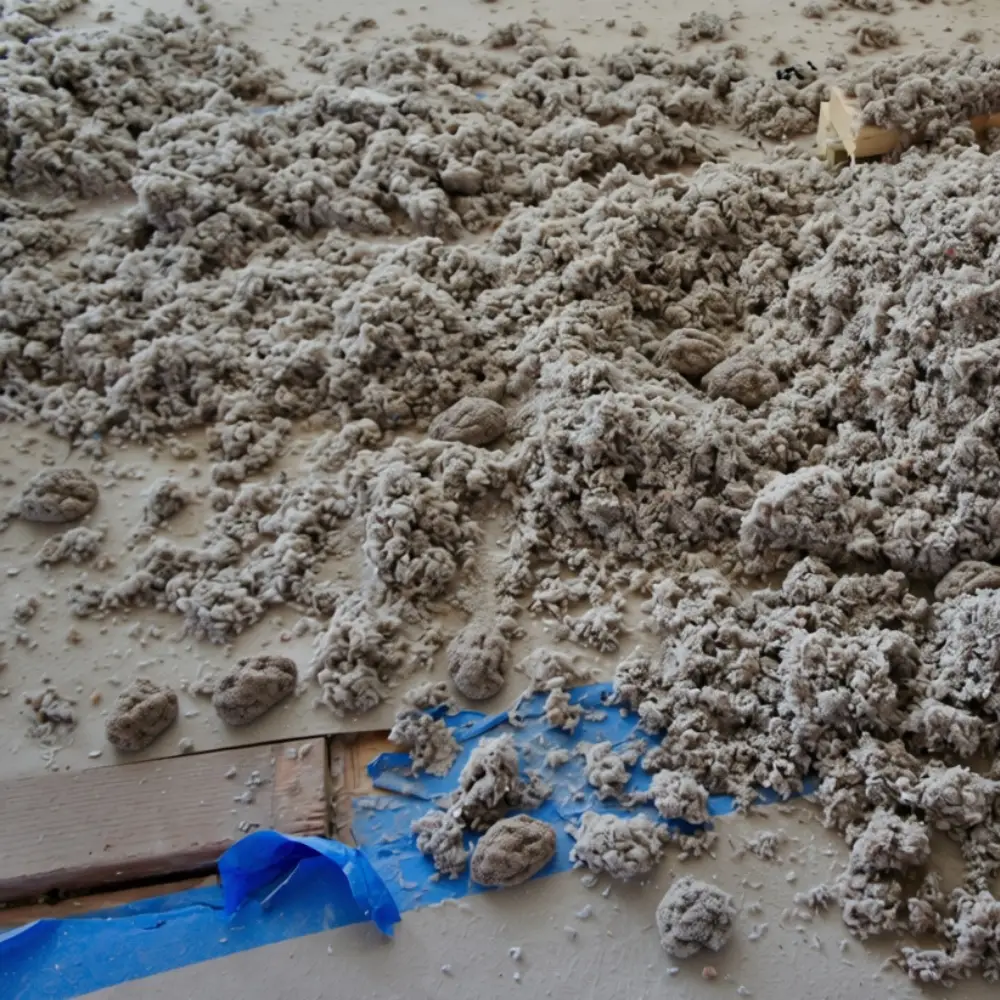
The best solution often involves upgrading to modern insulation materials. Materials like cellulose or spray foam offer superior performance compared to traditional fiberglass. On one project, I used cellulose to insulate a 1,500 square foot attic, which not only increased the R-value significantly but also provided excellent soundproofing. Interested homeowners can learn more about selecting the right insulation by visiting our detailed guide on best insulation for attic ceilings.
What Costs Are Associated with Insulating an Attic?
Costs vary based on material, attic size, and labor. On average, insulating an attic can range from $1,500 to $3,000. Factors like the type of insulation and the specific architecture of your attic can affect pricing. For instance, spray foam is pricier but provides better long-term savings through energy efficiency.
| Material | Cost per Square Foot | Total Average Cost (1,500 sq ft) |
|---|---|---|
| Fiberglass | $0.40 – $1.50 | $600 – $2,250 |
| Cellulose | $0.50 – $2.00 | $750 – $3,000 |
| Spray Foam | $1.00 – $4.50 | $1,500 – $6,750 |
Insider’s tip: Schedule insulation projects during the off-peak seasons (spring or fall) to leverage discounts and promotions offered by contractors.
What Is the Impact of Moisture and Rodents on Attic Insulation?
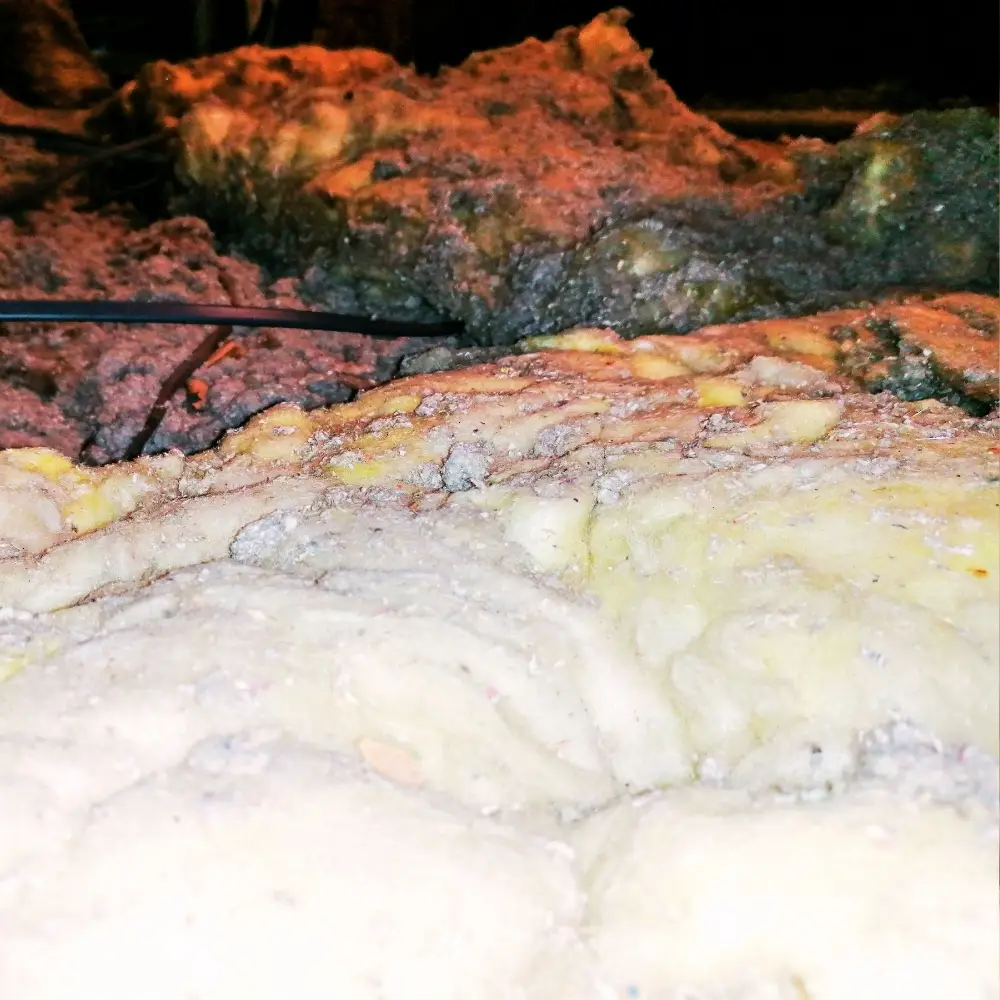
Moisture and rodents can severely damage attic insulation. Moisture leads to mold growth, degrading insulation materials, while rodents create gaps and nests within the insulation. During one of my consultations, a client had severe rodent infestation within their attic, which rendered the insulation ineffective. Proper rodent proofing can mitigate these issues and prolong insulation longevity.
How Can I Maximize My Home’s Efficiency?
Maximize efficiency by combining insulation with air sealing. Sealing air leaks in conjunction with quality insulation enhances energy savings. I always recommend clients opt for air duct cleaning and sealing services to minimize air exchange between the attic and living spaces, as outlined in our specialized air duct cleaning replacement services.
In conclusion, recognizing and correcting a poorly insulated attic is paramount to optimizing your home’s energy efficiency and comfort. This investment not only cuts energy bills but also enhances the overall value of your home. As someone who’s helped countless homes reclaim lost energy, I urge every homeowner to reassess their attic’s insulation and take action where necessary.