
What is roof insulation, and why is it important?
Roof insulation is a barrier installed within a roof’s structure to manage heat flow. It plays a crucial role in reducing energy costs by maintaining a balanced indoor temperature, irrespective of the weather outside. As someone who has spent over three decades in the insulation industry, I’ve seen firsthand the transformation that effective roof insulation can bring. I recall a project where we reduced a homeowner’s annual heating and cooling costs by nearly 30% simply by selecting the right type of insulation and ensuring its proper installation.
How do I choose the right type of roof insulation?
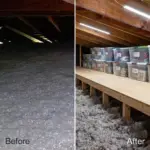
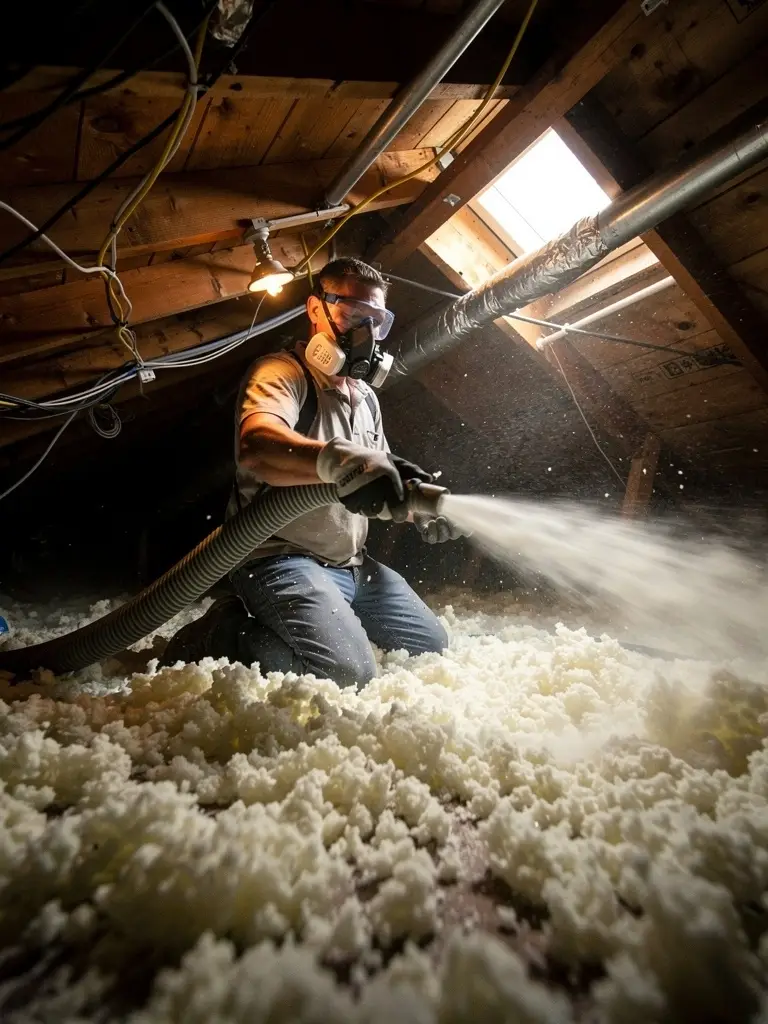
The right roof insulation depends on your specific climate, roofing structure, and budget. In my years of experience, I’ve found that regions with extreme temperatures benefit from more robust insulation. Options such as fiberglass, cellulose, and spray foam each come with distinct advantages. For instance, cellulose insulation, which I often recommend for attic spaces, offers excellent air sealing capabilities. If you’re in Oakland, check out our cellulose insulation options for an eco-friendly and efficient solution. Each material has its own R-value, which measures its effectiveness, so choosing one with a high R-value ensures better thermal resistance.
What are the costs associated with roof insulation, and how can I save money?
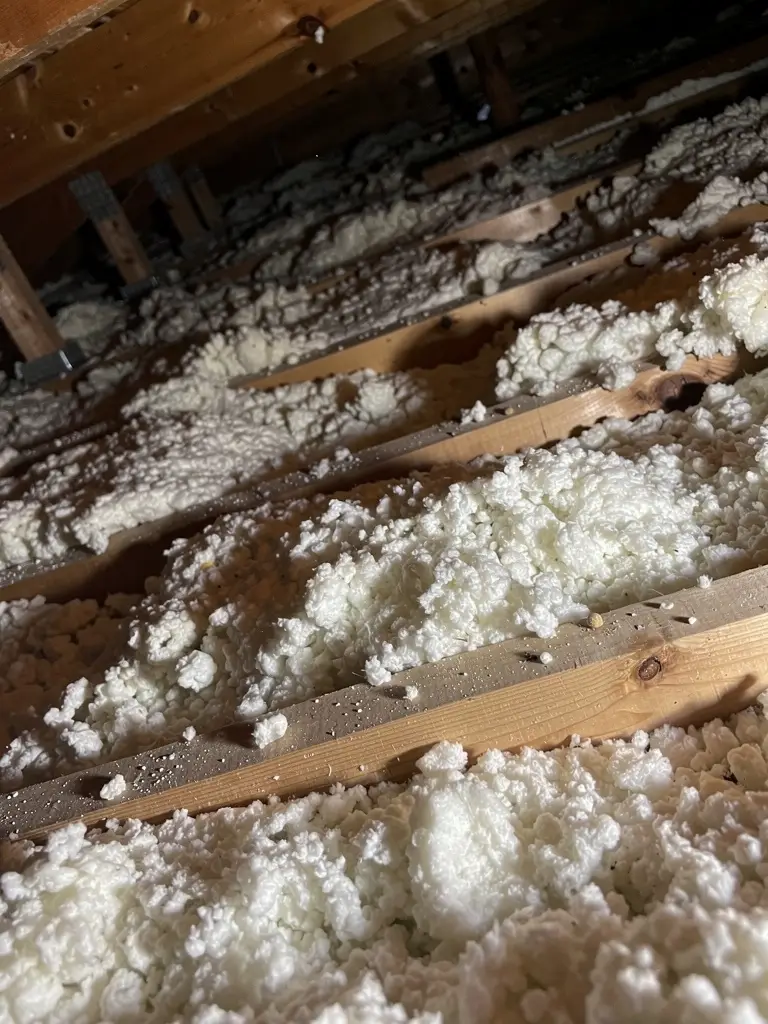
Roof insulation costs vary based on material, labor, and installation area. On average, materials like fiberglass may cost between $0.50 and $2.00 per square foot, while spray foam can range from $1.00 to $4.00 per square foot. Labor costs typically add another $1.50 to $3.50 per square foot depending on installation complexity. Here’s a handy table for a quick comparison:
| Insulation Type | Material Cost (per sq. ft.) | Labor Cost (per sq. ft.) |
|---|---|---|
| Fiberglass | $0.50 – $2.00 | $1.50 – $2.50 |
| Spray Foam | $1.00 – $4.00 | $2.00 – $3.50 |
| Cellulose | $0.70 – $2.20 | $1.80 – $3.00 |
To save money, consider available energy efficiency tax credits and local utility rebates. An insider tip is to schedule installations during off-peak seasons, such as late winter or early spring, when demand—and thus prices—tend to be lower.
How does roof insulation impact energy efficiency and home comfort?
Properly installed roof insulation significantly enhances energy efficiency by reducing heat loss in winter and heat gain in summer. In my own projects, I’ve observed that clients often notice a marked difference in their home’s comfort level and energy bills within the first month post-installation. The science behind this is simple: insulation acts as a thermal barrier, preventing indoor temperature fluctuations caused by external weather conditions. Winter warmth is retained, while summer heat is kept outside where it belongs.
What tools and techniques are used in roof insulation?
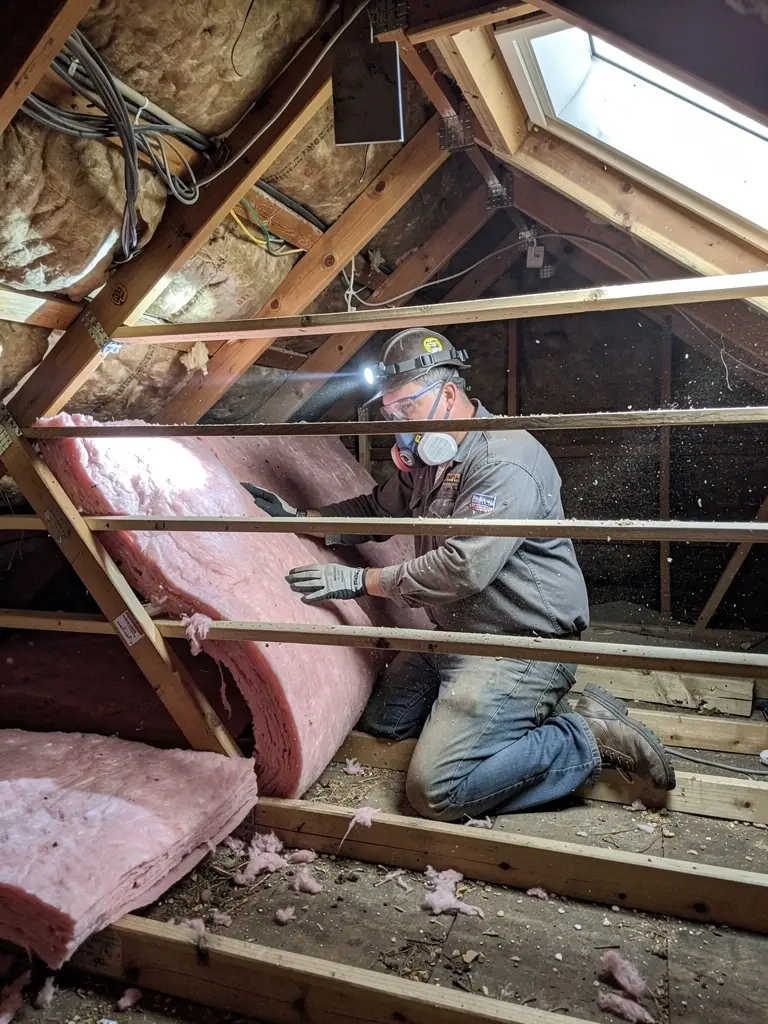
Common tools for roof insulation include measuring tapes, utility knives, and safety equipment like gloves and masks. When I tackle an insulation project, I utilize these tools along with a high-quality staple gun for securing batts and a foam applicator gun for spray foam solutions. A thermal imaging camera is also invaluable in assessing current insulation performance and pinpointing areas that need attention. These technical approaches ensure precision and effectiveness in every job.
Conclusion: Why is investing in roof insulation a smart decision?
Investing in roof insulation is a smart decision for its long-term savings and environmental benefits. By minimizing energy usage, you not only lower your utility bills but also reduce your carbon footprint. Our insulation services for attic ceilings ensure optimal performance, providing a comprehensive solution tailored to your home’s needs. Incorporating my decades of experience, I can firmly say that choosing the right insulation with professional installation is one of the best ways to enhance year-round comfort and energy efficiency in your home.