
As a veteran in the crawl space waterproofing industry, I’ve seen firsthand how proper techniques can protect your home from moisture damage. Whether you’re dealing with mold or structural issues, understanding the intricacies of waterproofing is crucial. Let me guide you through what you need to know.
What Is Crawl Space Waterproofing and Why Is It Important?
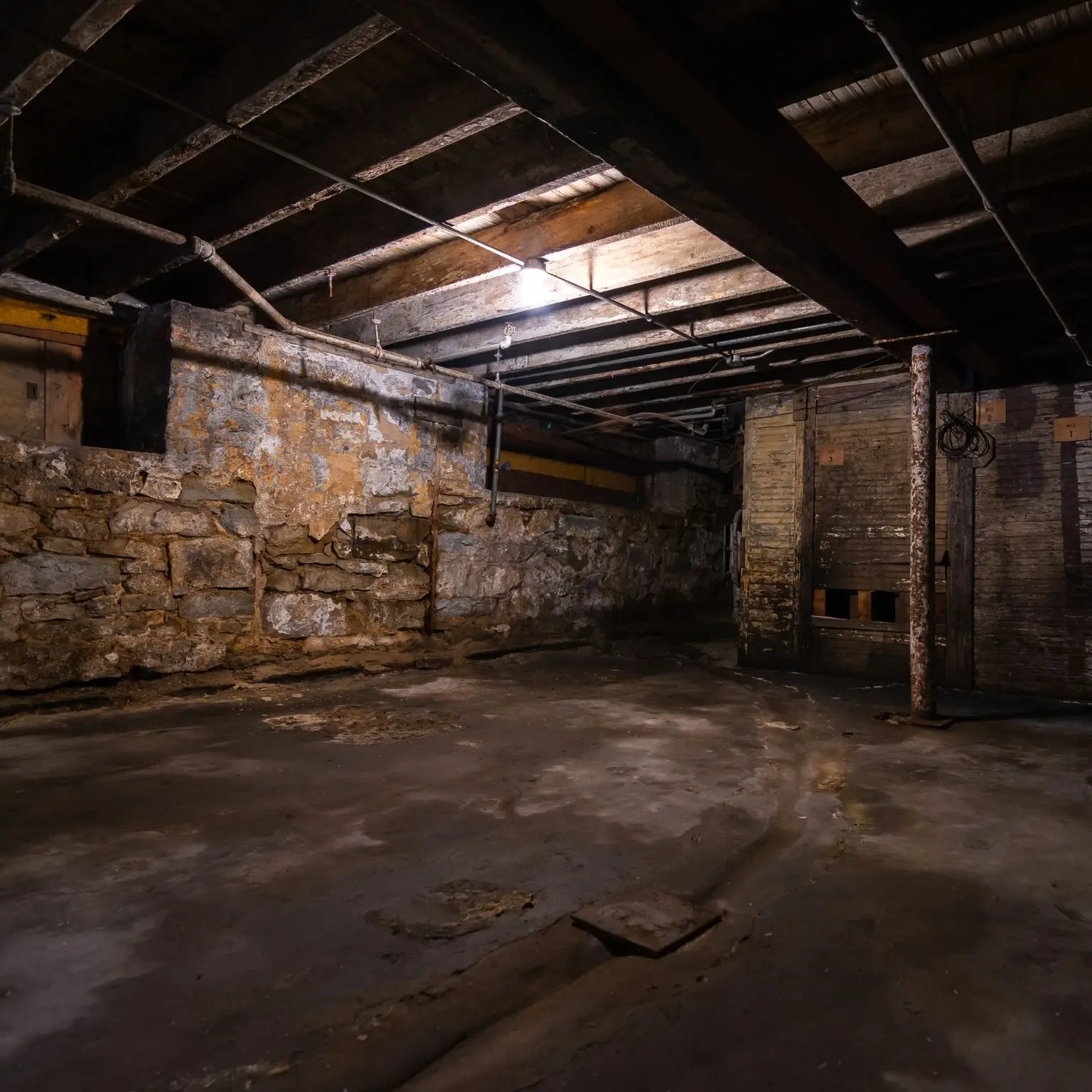
Crawl space waterproofing involves sealing and protecting the crawl space beneath your home to prevent water infiltration. This is vital because excess moisture can lead to mold growth, wood rot, and even foundation problems.
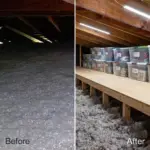
Years ago, I worked on a project where we had to address a homeowner’s crawl space that was constantly damp. Using a vapor barrier with an impressive 20-mil thickness, we effectively blocked moisture. The R-value of the insulation played a key role, and the homeowner noticed a 30% reduction in their energy bills within months.
How Do I Choose the Right Waterproofing Method?
Choosing the right waterproofing method depends on your specific crawl space conditions. Factors like soil type, local climate, and existing drainage need careful consideration.
In one case, we opted for a sump pump with a ½ horsepower motor that could handle 3,000 gallons per hour. Paired with French drains, it was a game-changer for a client whose crawl space was prone to flooding during heavy rains.
What Are the Costs Involved in Crawl Space Waterproofing?
The cost of crawl space waterproofing varies widely based on the method and materials used. Here’s a detailed breakdown:
| Waterproofing Method | Cost per Square Foot | Labor vs. Materials |
|---|---|---|
| Vapor Barrier Installation | $3 – $7 | 40% Labor, 60% Materials |
| Sump Pump Installation | $800 – $1,200 per unit | 50% Labor, 50% Materials |
| French Drain System | $10 – $15 | 60% Labor, 40% Materials |
Factors like the size of your crawl space, the extent of existing damage, and local labor rates influence costs. For the best value, consider bundling services with a reputable contractor. An insider’s tip: sometimes, negotiating for off-season work can save you up to 15% on labor costs.
How Can I Ensure the Quality of Crawl Space Waterproofing?
Ensuring quality requires using the right materials and experienced professionals. A thorough inspection and tailored plan are crucial.
Once, I saw a DIY job where the homeowner used standard plastic sheeting instead of a professional-grade vapor barrier. It led to recurring moisture issues. Using high-quality materials with a permeability rating of less than 0.1 perms can make all the difference.
Why Is Professional Expertise Crucial in Crawl Space Waterproofing?
Professional expertise ensures that all potential moisture sources are addressed, and the solution is sustainable. Professionals have access to specialized tools and training.
On one project, I used a moisture meter to detect hidden damp spots, which a homeowner might have missed. This tool, with a sensitivity of up to 0.1%, helped us target the exact areas needing intervention, saving time and money.
How Do I Find Reliable Crawl Space Waterproofing Near Me?
Finding reliable crawl space waterproofing services requires research and diligence. Look for licensed and insured professionals with strong local reputations.
My advice: check for certifications from organizations like the Basement Health Association. Also, read reviews and ask for references. A company with a track record of at least five years in the area is often a safe bet.
Crawl space waterproofing near me isn’t just about protecting your home; it’s about making informed decisions. By understanding the complexities and investing in quality solutions, you can ensure long-term peace of mind.