
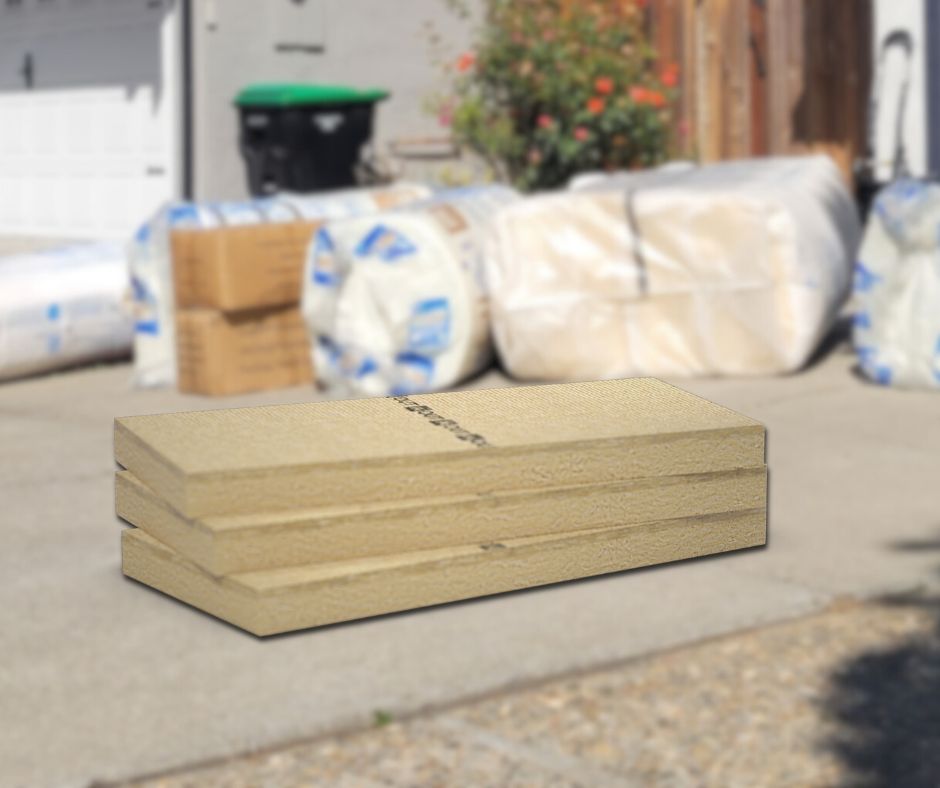
Mineral wool batt insulation is a dense, heavy material made from melted rock or industrial slag, offering distinct advantages over traditional fiberglass.
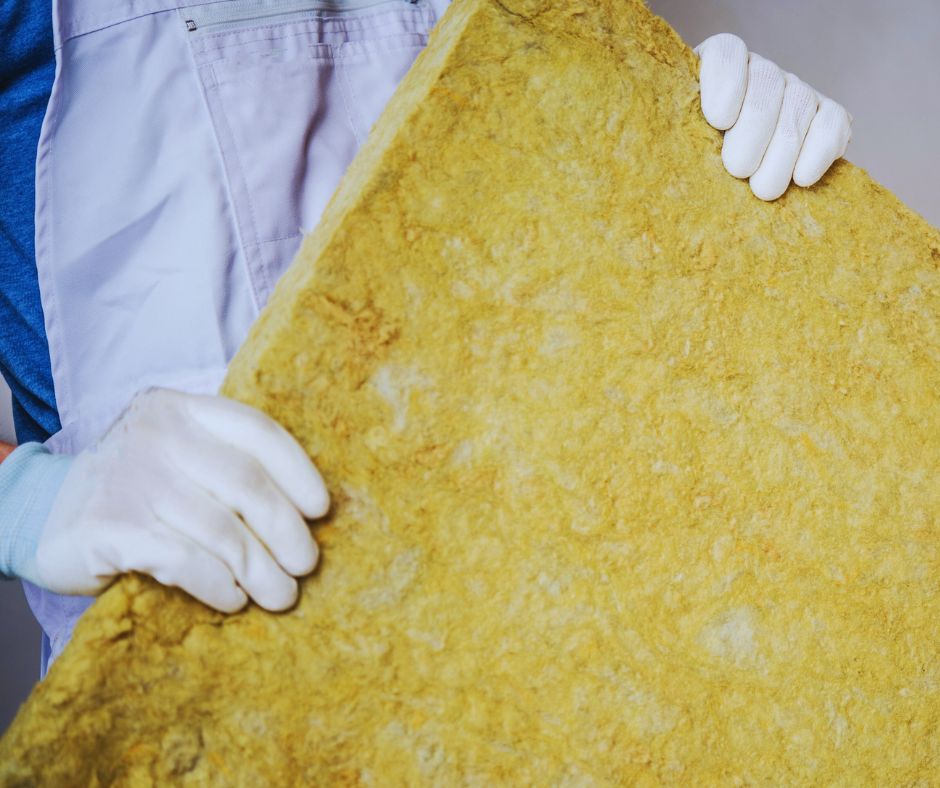
When I show homeowners mineral wool batt insulation for the first time, they’re often surprised by how different it looks and feels compared to traditional fiberglass. It’s denser, heavier, and comes in shades of brown, gray, or tan. The texture is coarser, and when you pick it up, you immediately notice the substantial weight difference.
At Miller Attics, I explain to clients that mineral wool batt insulation is manufactured from either natural volcanic rock like basalt or from blast furnace slag—a byproduct of steel manufacturing. The raw materials are melted at temperatures exceeding 3,000 degrees Fahrenheit, then spun into fibers that are formed into rigid batts. This manufacturing process creates a product with some remarkable properties that I’ve come to appreciate over my years in the field.
The most common brand I work with is ROCKWOOL, formerly known as ROXUL. They’ve been the industry leader for years, and I’ve consistently found their products to perform exactly as advertised. When I’m sourcing materials for Miller Attics projects, I know I can count on their quality and consistency.
Why I Recommend Mineral Wool Batt Insulation for Specific Applications
Fire resistance, superior soundproofing, and moisture protection make mineral wool batt insulation ideal for challenging applications where standard fiberglass falls short.
In my years at Miller Attics, I’ve learned that there’s no such thing as a one-size-fits-all insulation solution. Every home is different, and every homeowner has different priorities. However, mineral wool batt insulation excels in several specific situations where I consistently recommend it.
The fire resistance of mineral wool batt insulation is exceptional. I’ve worked on homes where fireplaces, furnaces, and wood stoves required fire-rated insulation assemblies. Mineral wool can withstand temperatures up to 2,150 degrees Fahrenheit without melting or contributing to flame spread. When I’m insulating around these high-risk areas, I sleep better knowing I’ve installed material that provides genuine fire protection. At millerattics.com, we take fire safety seriously, and mineral wool batt insulation is often part of that commitment.
Soundproofing is another area where I’ve seen mineral wool batt insulation truly shine. I recently completed a project where a couple wanted to convert their spare bedroom into a home recording studio. They needed serious sound control, and I recommended mineral wool batt insulation for all the walls and ceiling. The density of this material—typically between 1.7 to 8 pounds per cubic foot—makes it far superior to fiberglass for acoustic applications. After installation, they were amazed at how much sound the mineral wool batts blocked.
I also frequently recommend mineral wool batt insulation for basement applications. Unlike fiberglass, which can absorb moisture and promote mold growth, mineral wool is hydrophobic—it repels water. In our climate, basements can experience humidity issues, and I’ve seen too many fiberglass installations fail because of moisture problems. When I install mineral wool batt insulation in below-grade applications for Miller Attics clients, I know it will perform reliably even if occasional moisture is present.
The Performance Numbers Every Homeowner Should Know
With R-values of R-3.3 to R-4.2 per inch and superior density, mineral wool batt insulation delivers measurable performance that translates to comfort and energy savings.
At Miller Attics, I believe in educating my clients about the technical specifications that affect their comfort and energy bills. Mineral wool batt insulation delivers an R-value of approximately R-3.3 to R-4.2 per inch of thickness. This is slightly better than standard fiberglass, which typically provides R-2.9 to R-3.8 per inch.
For standard wall cavities with 2×4 framing, I typically install 3.5-inch mineral wool batts that provide around R-15. For 2×6 exterior walls, I use 5.5-inch batts delivering approximately R-23. These values meet or exceed building code requirements in our area, and I’ve received positive feedback from clients who notice improved comfort and lower utility bills after installation.
The superior density of mineral wool batt insulation also means it won’t settle or sag over time. I’ve returned to homes I insulated ten years ago and found the mineral wool batts still perfectly in place, maintaining their full R-value. This long-term performance is something I emphasize when discussing options with homeowners visiting millerattics.com or calling for consultations.
Strategic Applications: Where Miller Attics Uses Mineral Wool
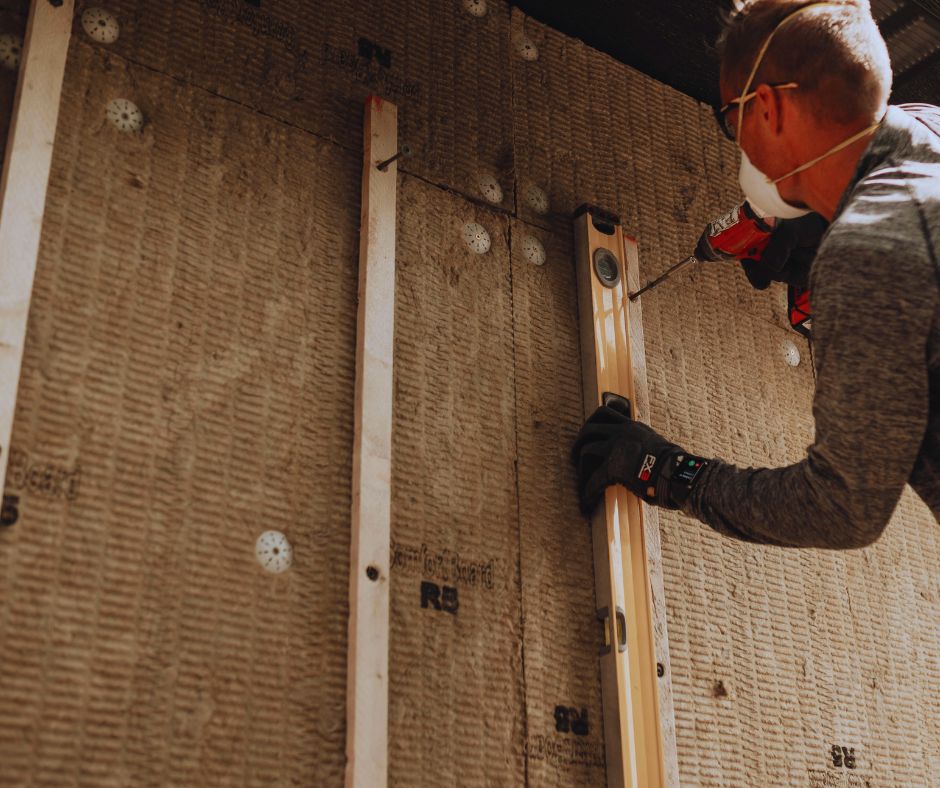
I strategically deploy mineral wool batt insulation for soundproofing, fire protection zones, basements, and specialized applications where its unique properties justify the premium cost.
Through my work at Miller Attics, I’ve developed a strategic approach to mineral wool batt insulation. I don’t recommend it for every application—that would unnecessarily inflate costs. Instead, I identify specific areas where its unique properties provide the most value.
For soundproofing projects, mineral wool batt insulation is my first choice. I’ve installed it between floors in multi-story homes, in home theater walls, between bedrooms, and in home offices. The acoustic performance consistently exceeds my clients’ expectations. One family told me they finally felt like they had a peaceful home after I installed mineral wool batts between their teenage son’s bedroom and the main living areas.
Around heating equipment, I exclusively use mineral wool batt insulation. Whether I’m working near furnaces, water heaters, chimneys, or wood stoves, the fire resistance provides essential protection. Building codes require fire-rated materials in these locations, and mineral wool easily meets those requirements while providing excellent thermal insulation.
For basement and crawl space insulation, I’ve increasingly turned to mineral wool batt insulation. The moisture resistance prevents the mold and degradation issues I’ve seen with other materials. When homeowners contact Miller Attics about basement finishing projects, I explain how mineral wool provides long-term reliability in these challenging environments.
I’ve also used mineral wool batt insulation in exterior wall assemblies where clients want maximum fire protection. In areas prone to wildfires or in homes where fire safety is a top priority, the non-combustible properties of mineral wool provide valuable peace of mind.
The Installation Process: A Professional’s Perspective
Proper installation of mineral wool batt insulation requires specialized techniques, safety equipment, and professional expertise that Miller Attics brings to every project.
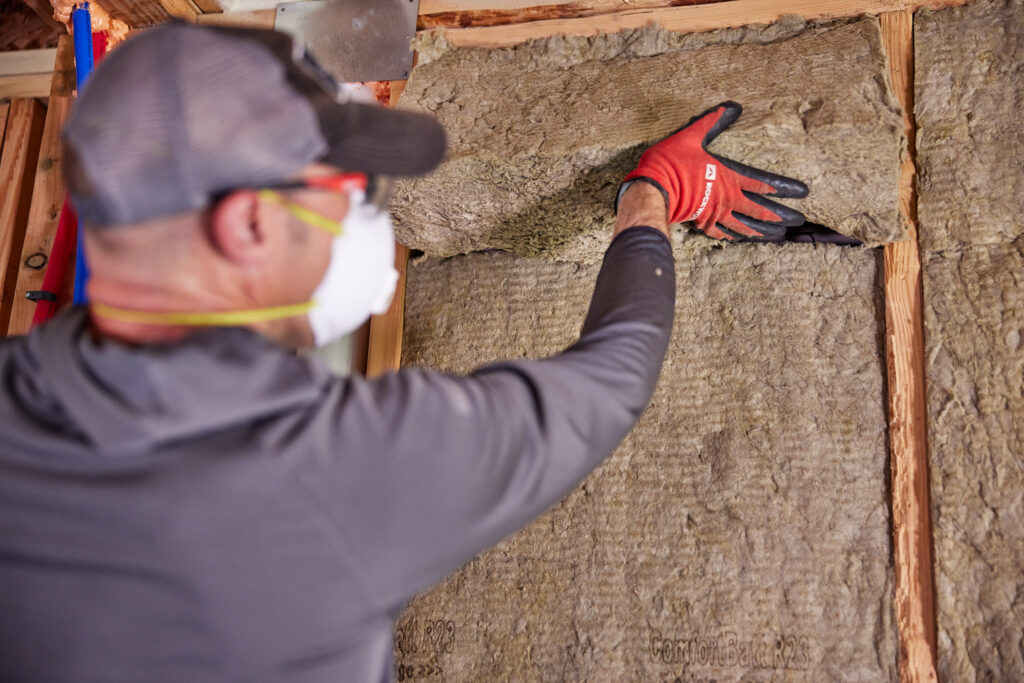
Installing mineral wool batt insulation requires proper technique and equipment. At Miller Attics, my crew and I have refined our installation process to ensure optimal performance and safety.
The material is significantly heavier than fiberglass, which affects both handling and installation speed. I train my team to use proper lifting techniques and to take breaks as needed. The physical demands are real, and rushing leads to fatigue and mistakes.
Cutting mineral wool batt insulation requires sharp tools. I use a long serrated knife or a specialized insulation saw. The key is making clean, precise cuts that fit snugly around electrical boxes, pipes, and other obstructions. Gaps reduce insulation effectiveness, so I’m meticulous about proper fitting.
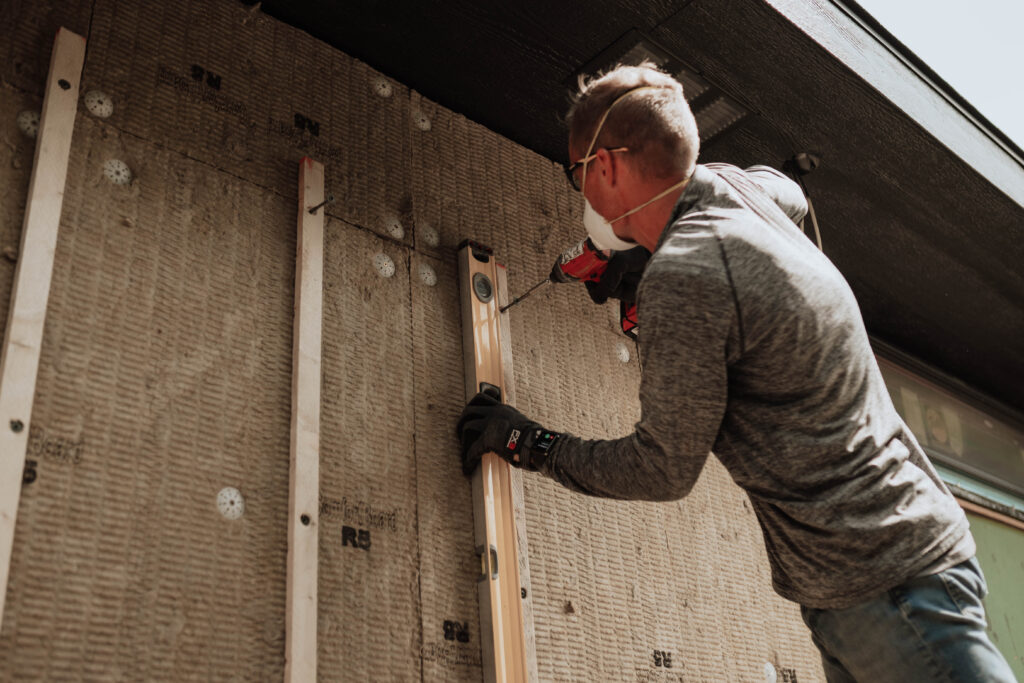
One aspect I appreciate is how mineral wool batt insulation friction-fits into standard stud cavities. The batts are manufactured slightly oversized for 16-inch and 24-inch on-center framing, so they compress slightly and stay in place without fasteners. This speeds up installation and eliminates the gaps that can occur with stapled fiberglass batts.
Safety is paramount on every Miller Attics job. Even though mineral wool produces less irritating dust than fiberglass, I require my team to wear gloves, long sleeves, safety glasses, and N95 respirator masks during installation. We also ensure adequate ventilation in the work area. These precautions protect our health and demonstrate our professionalism to clients.
Cost Considerations: Having the Honest Conversation
Mineral wool batt insulation costs 25-40% more than fiberglass, but Miller Attics helps clients invest strategically where it delivers genuine value.
At Miller Attics, I believe in transparent pricing and honest conversations about costs. Mineral wool batt insulation typically costs 25-40% more than equivalent fiberglass batts. For a whole-house insulation project, this can add $1,000 to $2,000 to the total cost, depending on the home’s size and the extent of coverage.
When clients ask me if mineral wool batt insulation is worth the extra investment, I provide an honest assessment based on their specific situation. If fire safety is a priority—for example, in areas around heating equipment or in wildfire-prone regions—the added cost is absolutely justified. If exceptional soundproofing is needed, mineral wool delivers value that cheaper alternatives simply cannot match.
However, I don’t automatically recommend mineral wool for every application. For standard attic insulation where fire resistance and soundproofing aren’t priorities, I often suggest blown-in cellulose or fiberglass, which provides excellent thermal performance at a lower cost. At millerattics.com, we’re committed to providing the best value for our clients, which means recommending the right material for each specific application rather than the most expensive option.
I typically suggest a strategic approach: use mineral wool batt insulation where its unique properties matter most, and use more economical options elsewhere. This balanced strategy delivers optimal performance while respecting budget constraints.
Safety and Environmental Responsibility at Miller Attics
Mineral wool batt insulation is safe for residential use when properly installed, and Miller Attics maintains strict safety protocols for both our crew and your family.
As a professional installer, I take safety seriously—both for my crew and for the homeowners we serve. Mineral wool batt insulation has a strong safety profile. It’s classified as “not classifiable as to carcinogenicity to humans” by international health organizations. Once properly installed and contained within wall or ceiling cavities, it poses no health risks to building occupants.
During installation, my team follows strict safety protocols. We wear appropriate personal protective equipment, maintain good ventilation, and clean up thoroughly after each job. The temporary irritation that can occur during installation is easily managed with proper precautions that we implement on every Miller Attics project.
From an environmental perspective, mineral wool batt insulation has both advantages and considerations. Slag wool varieties recycle industrial waste, which I appreciate from a sustainability standpoint. The product’s durability means it never needs replacement, reducing long-term environmental impact. However, manufacturing is energy-intensive due to the extreme temperatures required. I explain to clients that the energy saved through improved insulation typically offsets the manufacturing energy within just a few years of use.
My Professional Recommendation
Trust Miller Attics to match the right insulation material to your specific needs—whether that’s mineral wool batt insulation for specialized applications or more economical options for standard projects.
After thousands of installations with Miller Attics, I’ve developed clear guidelines for when mineral wool batt insulation is the right choice. I recommend it for fire-rated assemblies, soundproofing applications, basement and below-grade installations, and anywhere moisture resistance is critical.
I’ve seen firsthand how mineral wool batt insulation transforms homes. The couple whose home theater now delivers cinema-quality acoustics. The family who can finally sleep peacefully despite having teenagers. The homeowner whose basement stayed dry and mold-free despite a plumbing leak. These success stories reinforce my confidence in this material.
However, I also know when other insulation types are more appropriate. For standard attic insulation, blown-in cellulose or fiberglass often provides the best combination of performance and value. For tight budgets with no special requirements, standard fiberglass batts work perfectly well.
The key is matching the insulation material to the specific needs of each project. That’s what we do at Miller Attics every single day. When you work with us, you get honest advice based on professional experience, not sales pressure to use the most expensive materials.
If you’re considering an insulation project and wondering whether mineral wool batt insulation is right for your home, I encourage you to contact us at millerattics.com. I’ll personally assess your situation, explain your options, and provide a detailed quote. Whether you need fire-rated insulation around your furnace, soundproofing between floors, or basement insulation that stands up to moisture, Miller Attics has the expertise to do the job right.
Mineral wool batt insulation isn’t the answer for every situation, but when it’s the right choice, it delivers exceptional performance that I’m proud to stand behind. That’s the Miller Attics difference—professional expertise, honest recommendations, and quality installations that protect your home and family for decades to come.