
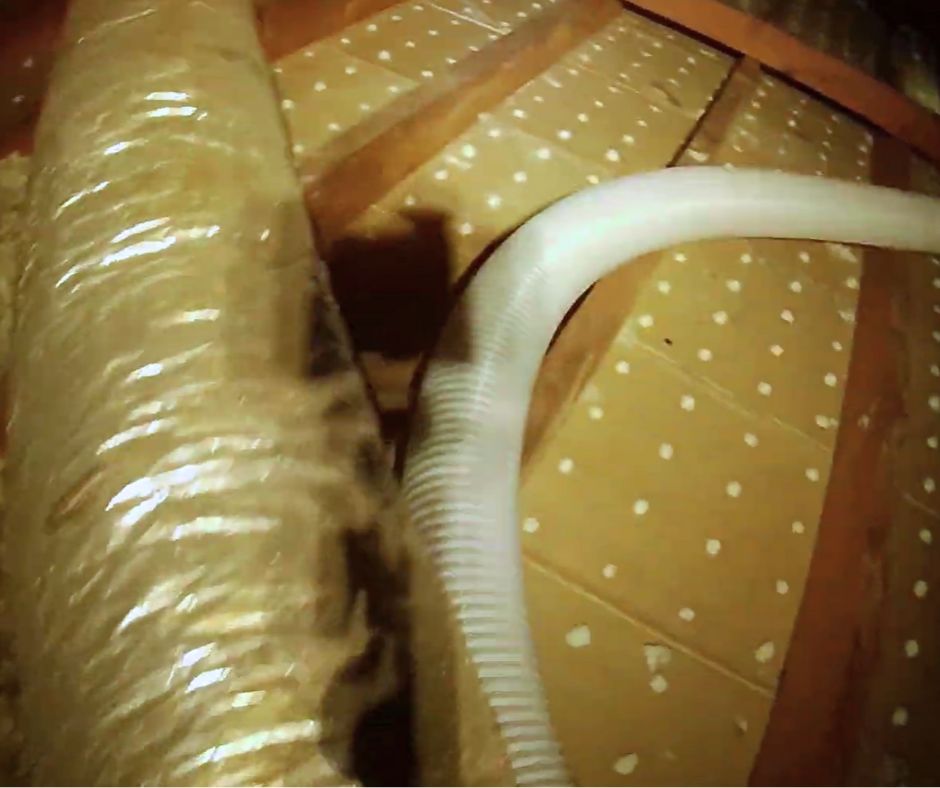
I’ll never forget the call I got last Tuesday from a homeowner in Piedmont. She said her bedroom smelled musty, and she was pretty sure it was coming from the attic. When I climbed up there with my flashlight, I found what looked like a small science experiment growing on the roof sheathing. Black streaks everywhere. Insulation soaked through in two corners. It was bad.
Here’s the thing—she had no idea it was up there. No visible water stains on her ceiling. No obvious roof leaks. Just that smell.
That’s why I’m writing this. Because after inspecting attics for Miller Attics for years now, I’ve seen mold in places homeowners never thought to look. And I’ve learned that knowing how to inspect for mold in your attic can save you thousands of dollars in damage—not to mention protect your family’s health.
Why I Always Start with the Smell Test
Before I even pull down the attic ladder, I ask homeowners one simple question: “Do you smell anything musty or earthy in your home?” Nine times out of ten, if there’s mold in the attic, someone in the house has noticed an odd smell. They just didn’t connect it to the attic.
Mold has a distinctive odor. It’s damp, musty, sometimes almost sweet. If you’re getting that smell near ceiling vents or in upper-floor bedrooms, your attic should be the first place you check.
When I open an attic hatch, I always take a deep breath through my nose. Sounds weird, I know. But that first hit of attic air tells me a lot. If it smells funky, I’m already preparing to find mold somewhere up there.
My Flashlight Checklist: Where I Always Look First
Once I’m in the attic, I follow the same inspection routine every single time. I learned this the hard way after missing a small patch of mold on my third-ever inspection. My supervisor made me go back and do it again. I’ve never missed a spot since.
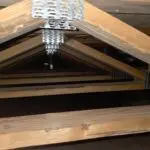
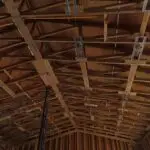
First stop: the roof sheathing. I shine my flashlight up at the underside of the roof deck, looking for dark stains, discoloration, or actual fuzzy growth.
Mold loves the roof sheathing because it’s the coldest surface in winter. When warm, humid air from your house rises into the attic, it hits that cold wood and—boom—condensation. And where there’s moisture, mold follows.
I look especially carefully at the north-facing sections. Those get the least sunlight, stay colder longer, and are almost always the first places mold appears. Last month I found a massive mold colony on the north slope of a house in Rockridge. The south side? Perfectly clean.
Next, I check around the attic vents—both the intake vents at the soffits and the exhaust vents at the ridge or gable ends. Poor ventilation is one of the biggest causes of attic mold. When I see mold concentrated near vents, it usually means the ventilation system isn’t working right. Either the vents are blocked, there aren’t enough of them, or they’re not positioned correctly.
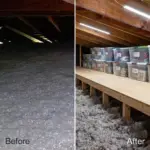
Then I move to the insulation. I don’t just look at the top surface—I actually lift sections to check underneath. Mold can hide under insulation, especially if there’s been a roof leak. I’m looking for dark spots, discoloration, or insulation that feels damp or compressed. If the insulation looks darker than it should or has that telltale musty smell, something’s wrong.
How to Inspect for Mold in Your Attic: The Moisture Detective Work
Here’s what most people don’t realize: finding mold is only half the job. The real question is why it’s there. Mold needs three things—moisture, oxygen, and organic material (like wood).
Your attic has oxygen and wood in abundance. So if there’s mold, there’s a moisture problem somewhere.
I always trace the moisture source. Sometimes it’s obvious—there’s a roof leak, and I can see daylight through a hole in the sheathing. Other times it’s more subtle.
I check for water stains on the rafters and sheathing. Even if the wood is dry when I’m inspecting, old water stains tell me there’s been moisture intrusion at some point. Those yellowish-brown rings? That’s your attic’s way of keeping a record.
I look at the insulation for compressed or matted areas. When insulation gets wet, it loses its fluffy texture and gets packed down. Even after it dries, it stays compressed. That’s a red flag that water’s been there.
I inspect around chimneys, plumbing vents, and any roof penetrations. These are leak-prone areas. I run my hand along the wood around these spots, feeling for dampness or soft wood that might indicate rot.
I also check the bathroom and kitchen exhaust fans. You’d be shocked how many homes have exhaust fans that dump humid air directly into the attic instead of venting outside. I see this constantly. Someone installed the fan, but never connected the duct to an exterior vent. So every time you shower or cook, you’re pumping moisture into your attic. Recipe for mold.
The Condensation Problem Nobody Talks About
Last winter, I inspected an attic in the Oakland Hills that had mold but zero roof leaks. The homeowner was baffled. Roof was only five years old. No missing shingles. No obvious damage.
The problem? Condensation. And it’s more common than people think.
When I’m doing an inspection, I look for condensation signs even if I don’t see active moisture. Rusty nail tips poking through the roof sheathing are a dead giveaway. In cold weather, those metal nails get freezing cold. Warm air from the house hits them, and moisture condenses right there on the nail. Do that day after day, and you’ve got rust—and often mold growing around those rusty spots.
I also look for frost in winter inspections. If I see frost on the underside of the roof or on nail tips, that tells me there’s too much humidity in the attic. When that frost melts, you’ve got water dripping onto your insulation. That’s how you get mold.
The fix for condensation-related mold is usually better ventilation and air sealing. You’ve got to stop humid air from entering the attic in the first place, and you need proper airflow to carry away any moisture that does get up there.
My Simple Tools for Inspecting Mold
I don’t use fancy equipment for most inspections. Here’s what’s in my bag:
A good flashlight—and I mean a really bright one. Those little keychain lights won’t cut it. I use a rechargeable LED flashlight that throws a strong, focused beam. Mold often hides in shadows, and a weak light will make you miss it.
A moisture meter. This little device is a game-changer. I press it against wood surfaces to measure moisture content. Normal wood in an attic should read below 20% moisture. If I’m getting readings above 20%, especially above 25%, there’s a moisture problem even if I can’t see mold yet.
A screwdriver. I use this to gently probe wood that looks suspicious. Healthy wood is firm. Rotted, mold-damaged wood is soft and crumbly. If my screwdriver sinks into the wood easily, that’s advanced rot and definitely a mold situation.
Disposable gloves and a mask. If I’m going to be touching potentially moldy surfaces or moving insulation around, I protect myself. Mold spores can cause respiratory issues, and I’m not taking chances.
My phone camera. I document everything. If I find mold, I take photos of the location, the extent, and any visible moisture sources. This helps homeowners see what I’m seeing and makes it easier to explain what needs to happen next.
When to Call a Professional (And When You Can Handle It Yourself)
Here’s my honest take: if you’re comfortable in your attic and you want to do a basic inspection yourself, go for it. Look for the signs I mentioned—discoloration, musty smells, water stains, moisture. You can absolutely do a visual inspection on your own.
But there are situations where you need a pro like me:
If you find mold covering more than 10 square feet, that’s beyond DIY remediation. You need professionals with proper equipment and containment procedures.
If you’re dealing with black mold (Stachybotrys), don’t mess with it. Get a professional mold inspector and remediation company. That stuff can cause serious health issues.
If you have persistent moisture problems that you can’t identify, call someone. I’ve got the experience to spot subtle leak sources and ventilation issues that aren’t obvious to homeowners.
If you’re buying or selling a home, get a professional attic inspection. You want documentation, and you want someone who knows how to inspect for mold in your attic thoroughly.
What Happens After You Find Mold
When I find mold during an inspection, the first thing I tell homeowners is: don’t panic. Mold is fixable. But you’ve got to address both the mold and the moisture source.
I always identify what’s causing the moisture first. Is it a roof leak? Poor ventilation? Condensation? A bathroom fan dumping into the attic? Until you fix the moisture problem, the mold will just come back after you clean it up.
Then we talk about remediation. Small patches of mold can sometimes be cleaned. Larger infestations usually require removal of affected materials and professional treatment. Every situation is different.
I also discuss prevention. Better ventilation, air sealing, proper insulation, fixing leaks—these steps keep mold from returning.
The Bottom Line from Someone Who’s Seen It All
After years of climbing into attics and showing homeowners how to inspect for mold in their attic spaces, here’s what I want you to remember: mold is common, it’s preventable, and catching it early makes all the difference.
Check your attic at least once a year. Look for those telltale signs—dark stains, musty smells, moisture, condensation. Pay attention to your nose. Trust your instincts.
And if you find something that concerns you, call someone like me at Miller Attics. I’d rather inspect your attic and tell you everything looks good than have you wait until that small mold patch becomes a $10,000 problem.
Your attic is out of sight most of the time, but it shouldn’t be out of mind. Take an hour, grab a flashlight, and see what’s going on up there. You might be surprised what you find.