



Flex Duct Services in Bay Area
Your home’s heating and cooling system depends on properly functioning ductwork to deliver comfort to every room. When flex duct problems go unaddressed, you’re paying more every month while getting less comfort. Miller Attics Inc. provides comprehensive flexible ductwork solutions that restore efficiency, improve air quality, and reduce your energy costs.
Book Now!
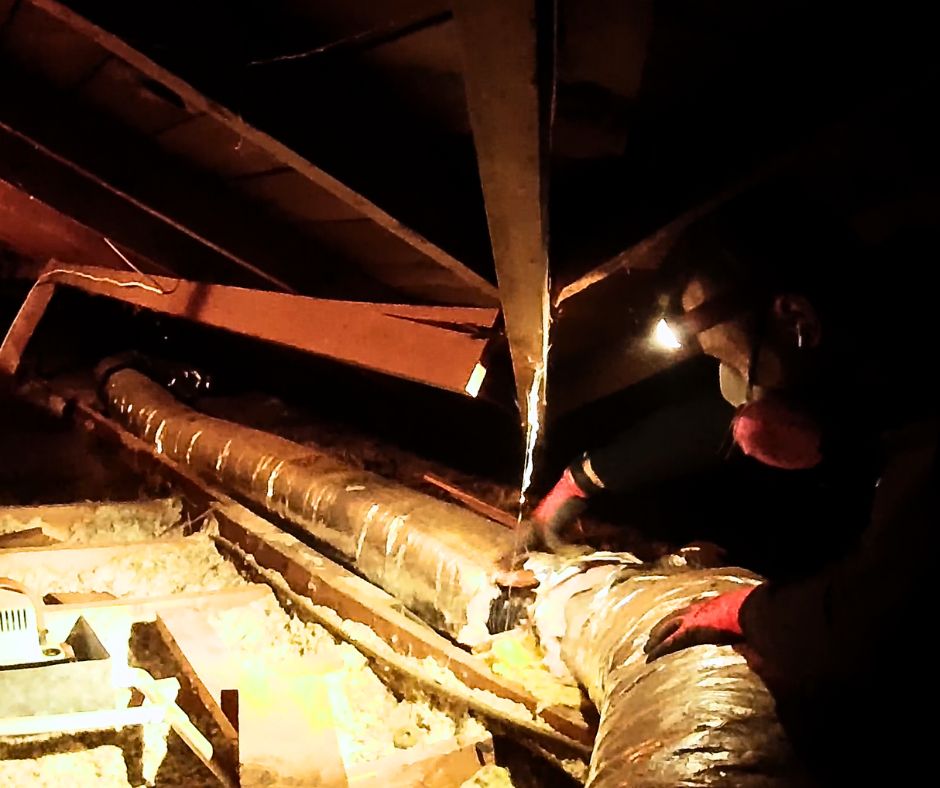
Flex Duct Repair, Replacement & Installation in Bay Area
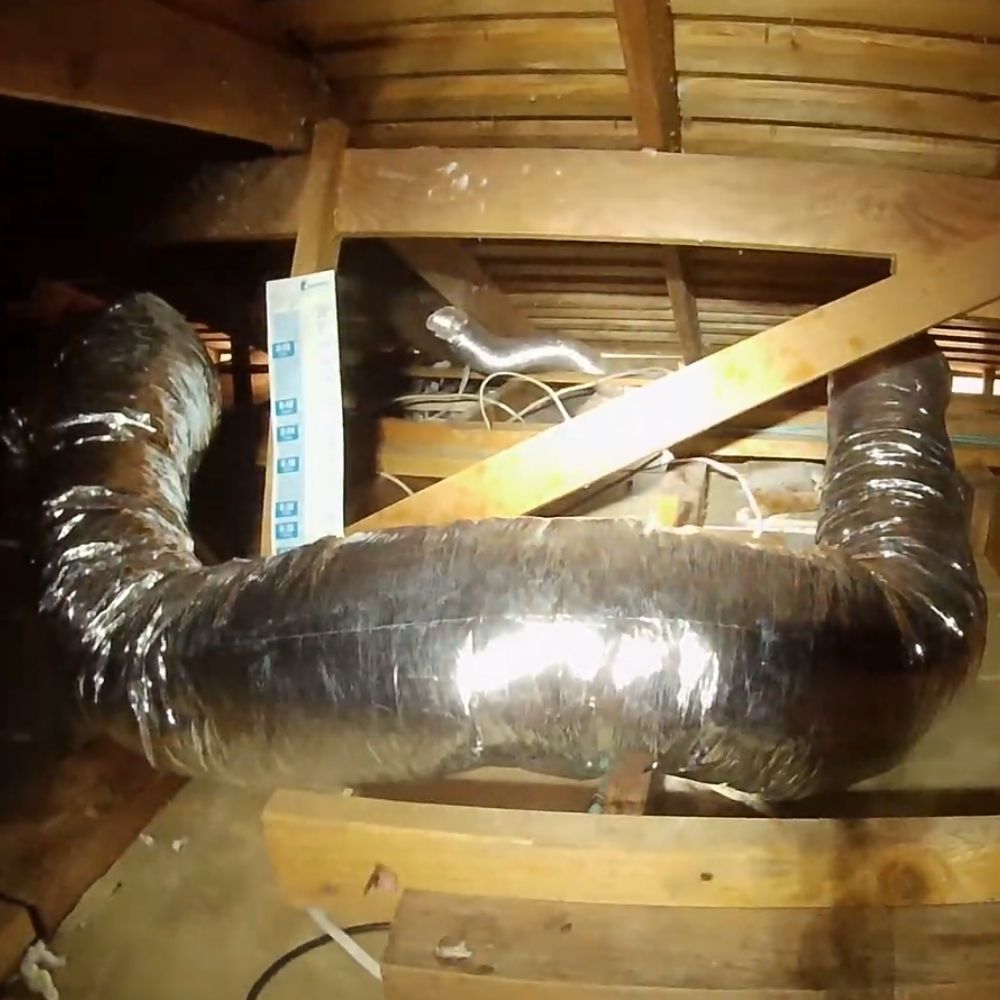
Flex Duct Repair in Bay Area
Damaged, leaking, or poorly connected flex ducts can reduce airflow, increase energy bills, and make your home less comfortable. Our flex duct repair services in Bay Area are designed to fix common issues such as air leaks, torn ductwork, loose connections, and restricted airflow, helping your HVAC system perform more efficiently.
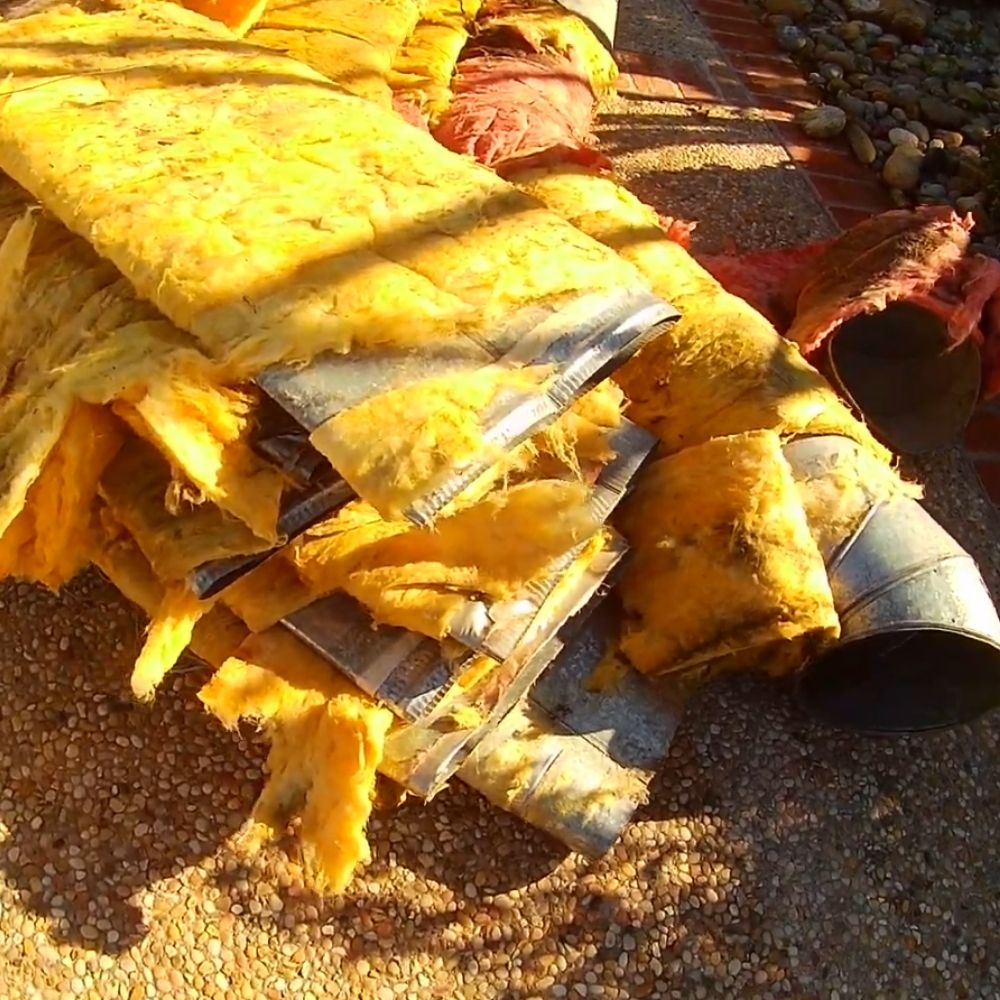
Flex Duct Replacement
Old or severely damaged ductwork can waste energy and affect the air quality in your home. We provide professional flex duct replacement in Bay Area for homeowners who need a long-term solution to worn-out, crushed, or improperly installed ducts. Replacing damaged flex ducts can improve airflow, indoor comfort, and overall system efficiency.
New Flex Duct Installation
Whether you are upgrading your attic system or installing new ductwork, proper flex duct installation is essential for long-term HVAC performance. Our team installs new flex ducts with the right sizing, support, and insulation to help reduce energy loss and deliver balanced airflow throughout your home in Bay Area.
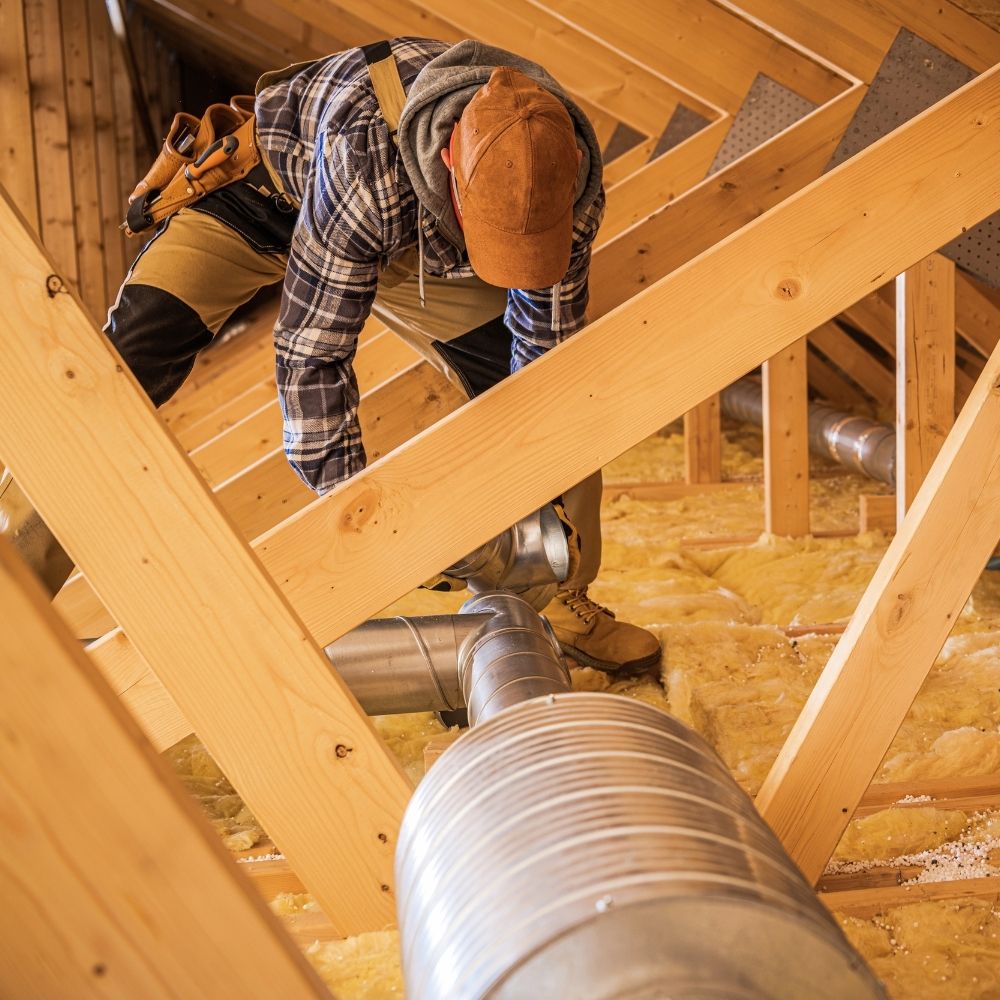
Airflow, Leak & Insulation Corrections
Many flex duct problems start with poor installation, inadequate insulation, or hidden air leaks in the attic. We correct airflow restrictions, duct compression, disconnected sections, and insulation issues to help your system move air properly and maintain better indoor temperatures. These improvements can help lower energy waste and increase home comfort.
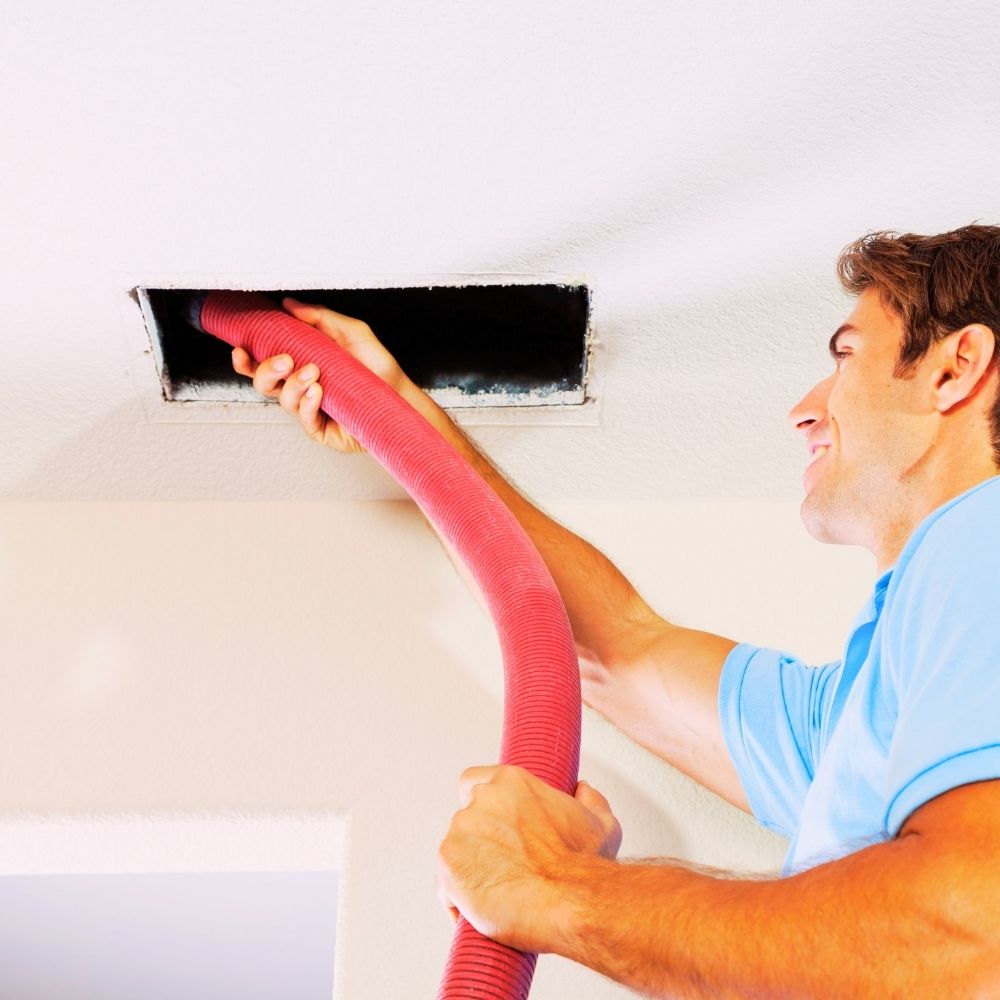
What Is Flex Duct and Why Does It Matter?
Flexible ductwork (flex duct) is the most common type of ductwork in residential HVAC systems. It consists of a wire coil covered with a flexible plastic liner, surrounded by insulation, and protected by an outer vapor barrier.
Lightweight and adaptable to tight spaces
More affordable than rigid metal ductwork
Requires precise installation techniques
Typical lifespan: 15-25 years when properly installed
Commonly used in attics and crawlspaces
The problem? Most flex duct installations have significant issues that cost you money every single day.
The Real Cost of Flex Duct Problems
30% Energy Waste Studies show that leaky and poorly installed flex duct can increase your heating and cooling costs by up to 30%. That’s $30 out of every $100 you spend on energy bills simply disappearing into your attic.
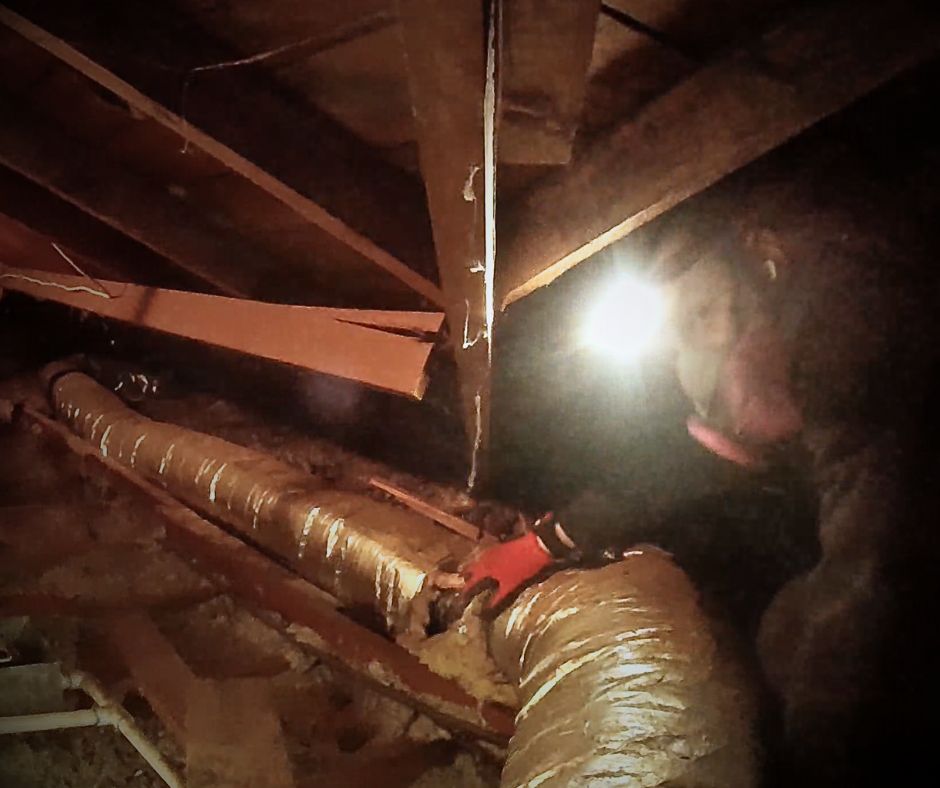
Common problems we see:
- Kinks and sharp bends restricting airflow
- Sagging ducts that aren’t properly supported
- Compression reducing the duct diameter
- Air leaks at connections and seams
- Torn or damaged insulation jackets
- Rodent damage compromising duct integrity
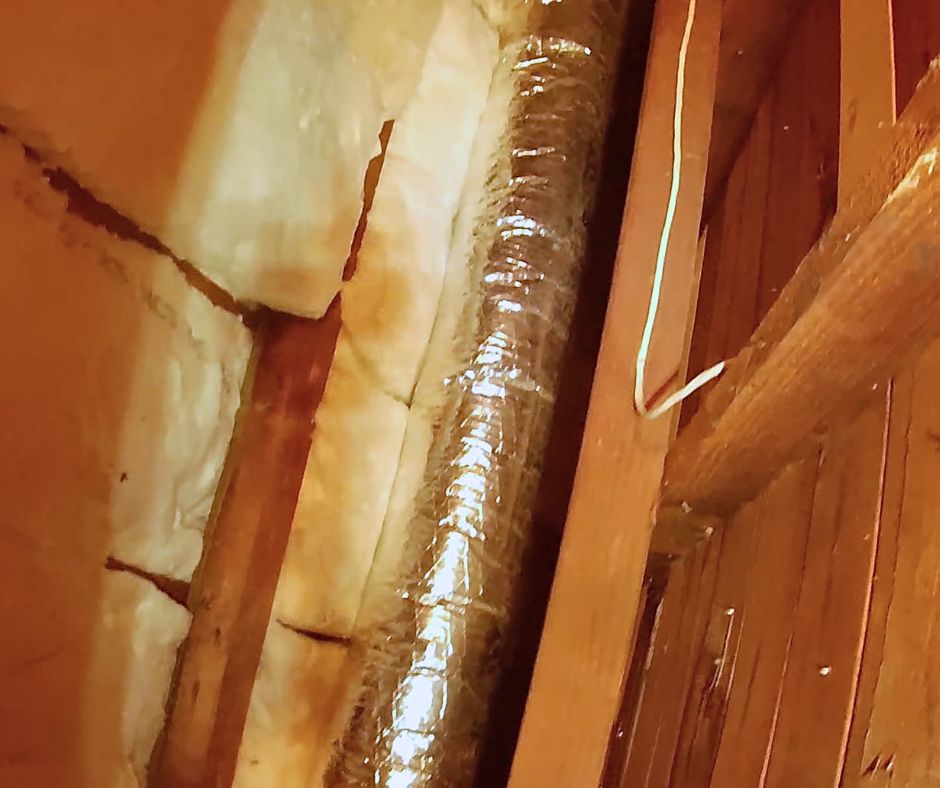
Signs Your Flex Duct Needs Professional Attention

Rising Energy Bills
Your HVAC system is running longer to compensate for air leaks and restricted flow.
Hot and Cold Spots
Some rooms never reach comfortable temperatures while others are fine.for air leaks and restricted flow.

Weak Airflow from Vents
Restricted or damaged flexible ductwork means less air reaches your living spaces.

Excessive Dust
Torn ducts pull dusty attic air into your home instead of filtering it properly.

Strange Noises
Whistling, rattling, or flapping sounds indicate air leaks or disconnected sections.

Musty Odors
Moisture accumulation in flex duct creates conditions for mold and mildew growth.
Flex Duct vs. Rigid Metal Ductwork
Flex Duct Advantages:
- Lower material and installation costs ($2-4 per linear foot vs. $7-13 for metal)
- Easier to navigate tight spaces and obstacles
- Faster installation in retrofit situations
- Quieter operation when properly installed
Flex Duct Disadvantages:
- Shorter lifespan (10-15 years vs. 25+ for metal)
- More susceptible to damage from rodents
- Requires precise installation to avoid performance issues
- Prone to air leaks at connections
Our Comprehensive Flex Duct Services
Free Inspection & Assessment We check for air leaks, improper support, compression and kinking, insulation value, rodent damage, and airflow restrictions.
Professional Installation When replacement is necessary, we do it right:
- Ducts pulled to 90-95% extension (never compressed)
- Proper support every 4 feet maximum
- No sharp bends or kinks
- Sealed connections with mastic and mechanical fasteners
- Correct insulation values for your climate zone
Expert Repairs Not every problem requires complete replacement. We can seal air leaks, replace damaged sections, add missing support, correct installation errors, and upgrade insulation where needed.
Rodent Damage Solutions Integrated approach: remove contaminated ductwork, seal attic entry points, install rodent-proof barriers, and prevent future infestations.
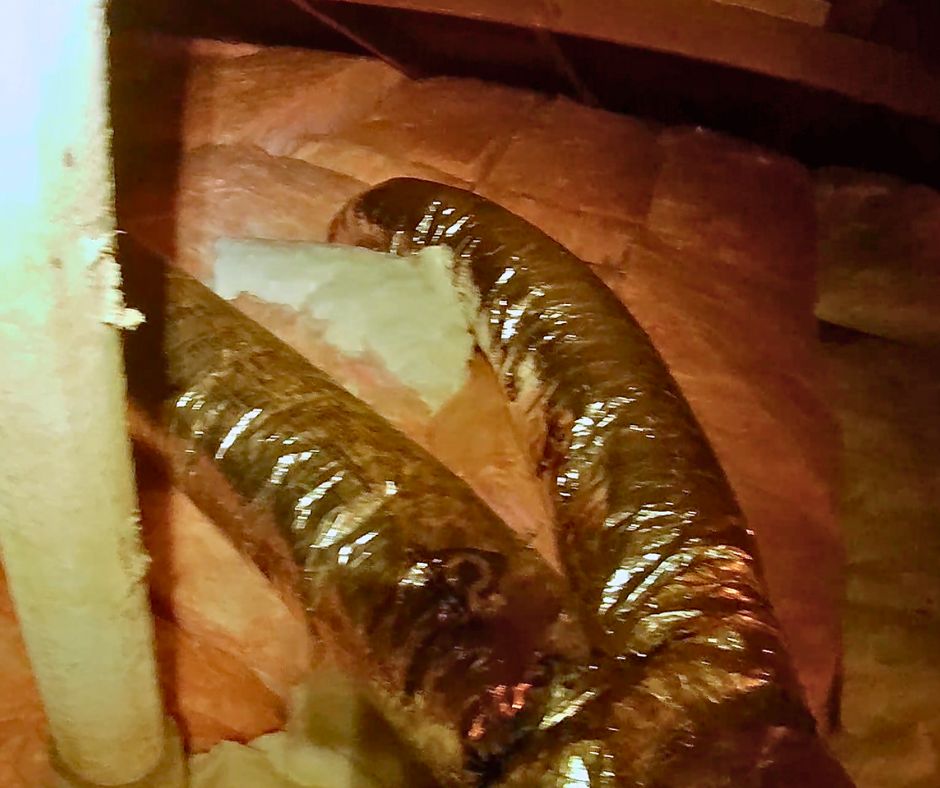
Why Proper Installation Matters
Poor Installation:
- Compressed like an accordion
- Sharp 90-degree bends
- Inadequate support (sagging more than 0.5″ per foot)
- Tape-only connections
- Not fully extended
Professional Installation:
- Fully extended to minimize friction
- Gradual bends with proper radius
- Support straps every 4 feet
- Mastic sealant plus mechanical fasteners
- Protected from damage
The result:
flexible ductwork is ideal for residential applications where cost-effectiveness matters and proper installation is guaranteed. When installed correctly by professionals, it delivers reliable performance for decades.
Understanding Insulation Values: R-6 vs. R-8
Your attic reaches extreme temperatures. Your flex duct needs adequate insulation to protect conditioned air traveling through these harsh environments.
R-6 Flex Duct:
- 1.5 inches of insulation
- Required for ducts smaller than 3 inches
- Suitable for moderate climates
R-8 Flex Duct:
- 2 inches of insulation
- Required for ducts 3 inches or larger in attics
- Provides superior thermal protection
- Reduces energy loss by approximately 2%
Our recommendation:
In unconditioned attic spaces, R-8 flexible ductwork provides better long-term value despite the slightly higher initial cost.
The Hidden Danger: Indoor Air Quality
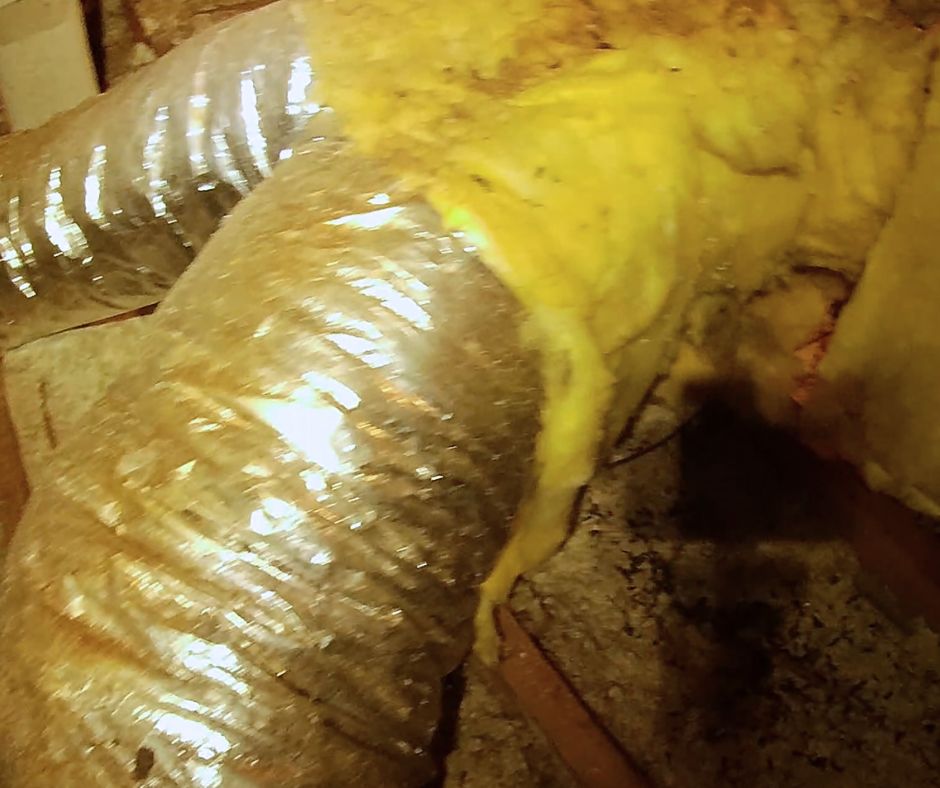
Damaged flex duct doesn’t just waste energy—it compromises your family’s health.
How compromised flexible ductwork affects air quality:
- Pulls dusty attic air into your living spaces
- Circulates insulation fibers throughout your home
- Distributes rodent droppings and urine particles
- Creates conditions for mold growth from moisture accumulation
- Increases allergens and respiratory irritants
Contact Miller Attics Inc. today and discover how professional flex duct services can transform your home’s comfort while reducing your energy costs.
Frequently Asked Questions About Flex Duct
How long does flex duct last?
Properly installed flex duct typically lasts 15-25 years. Poor installation, extreme attic temperatures, and rodent damage can significantly reduce this lifespan. If your flex duct is over 20 years old, inspection and likely replacement should be on your radar.
Can flex duct be repaired, or does it need complete replacement?
It depends on the extent and location of damage. Localized tears and failed connections can often be repaired cost-effectively. However, widespread deterioration, extensive rodent damage, or severely compressed installations usually warrant complete replacement.
How much does flex duct replacement cost?
Flex duct material ranges from $2-4 per linear foot for insulated ductwork. Total replacement typically costs between $1,500-$6,000 for an average home. We provide clear, itemized quotes before any work begins—no surprises.
Why are my energy bills so high if my HVAC system is new?
New HVAC equipment can’t overcome ductwork problems. Even the most efficient system will underperform if 30% of the conditioned air leaks out before reaching your rooms. Many homeowners see dramatic improvements after addressing flex duct issues.
Can rodents really damage flex duct?
Absolutely. Rodents chew through the outer jacket and inner liner to create nesting spaces. Once inside your duct system, they leave droppings and contamination that circulates throughout your home every time the HVAC runs.
What's the difference between R-6 and R-8 insulation?
R-8 flex duct has 2 inches of insulation versus 1.5 inches for R-6. This extra insulation reduces heat transfer by approximately 2%, which compounds into significant energy savings over time.