
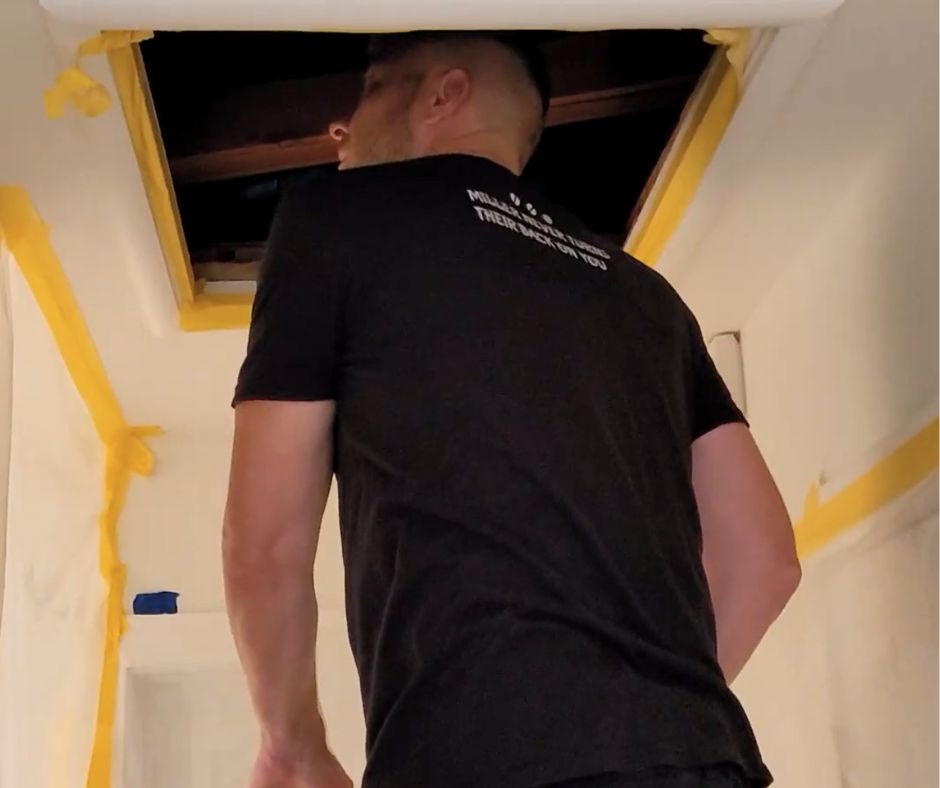
I still remember the first time a homeowner asked me, “Can you really make accessing my attic that much easier?” They’d been using a rickety old stepladder for years, balancing precariously while trying to push open a stubborn attic hatch. Fast forward to today, and attic ladder installation has become one of my favorite services to provide at Miller Attics. There’s something incredibly satisfying about transforming a homeowner’s daily struggle into a smooth, safe experience with just one professional installation.
In this Article:
• Professional Installation Ensures Safety and Longevity
• Every Home Requires a Customized Approach
• Quality Materials and Proper Technique Matter
• Attic Ladder Installation Cost Reflects Long-Term Value
• Miller Attics Delivers Expert Service You Can Trust
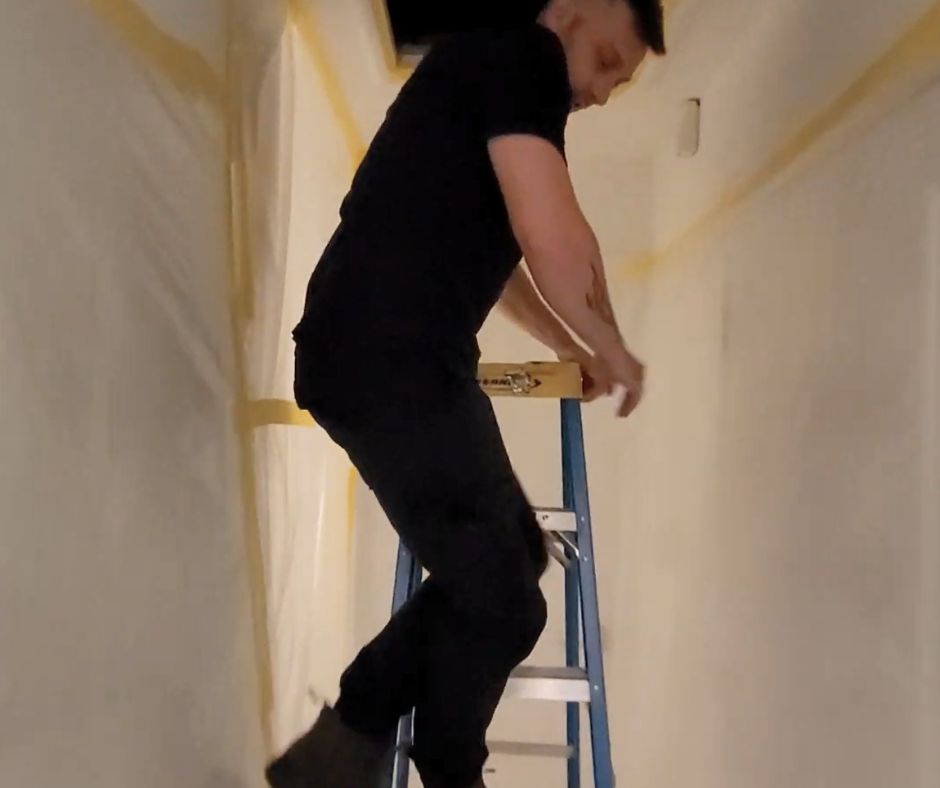
Working with Miller Attics for several years now, I’ve installed hundreds of attic ladders across residential properties, and each project teaches me something new. What started as just another task on my service list has evolved into a specialty I genuinely enjoy. Let me share my real-world experience and what I’ve learned about attic ladder installation along the way.
Why Homeowners Come to Us for Attic Ladder Installation
Every morning, I receive calls from homeowners who’ve finally decided they’re done with the old way of accessing their attic. Some have been climbing on chairs or unstable ladders, others have ancient pull-down stairs that creak and groan with every use. One client told me she’d been avoiding her attic entirely for three years because the access was just too difficult. That conversation stuck with me because I realized our work at Miller Attics isn’t just about installing equipment—it’s about restoring functionality to people’s homes.
When I arrive for an initial inspection, I always take time to understand what the homeowner actually needs. Are they planning to use the attic for regular storage access? Do they have mobility concerns? What’s their ceiling height? These details matter tremendously for attic ladder installation success. At Miller Attics, we’ve built our reputation on thorough assessments, and I’ve seen firsthand how this approach prevents problems down the road.
The most common question I hear is about attic ladder installation cost, and I appreciate that homeowners want transparency. Based on my experience, costs typically range depending on the type of ladder system, ceiling height, and any structural modifications needed. A basic aluminum folding ladder installation might run differently than a heavy-duty wooden model with extended reach. I always provide detailed quotes after inspecting the space because every home is unique, and I’d rather give accurate numbers than rough estimates that lead to surprises later.
My Process: How I Approach Every Attic Ladder Installation
Over the years, I’ve refined my attic ladder installation process into a systematic approach that ensures quality and safety every single time. When I pull up to a home, I’m not just thinking about the installation itself—I’m considering the entire project from start to finish.
First, I conduct what we call a “complete access assessment.” I examine the existing attic opening, measure ceiling heights precisely, check for structural joists, and evaluate the space below where the ladder will extend. I’ve learned that taking an extra fifteen minutes during this phase saves hours of complications later. There was one memorable project where I discovered the existing opening was positioned directly between two joists with no proper framing—installing without addressing this would have compromised structural integrity.
The actual installation of pull down attic stairs requires precision that only comes with experience. I start by ensuring the rough opening is properly sized and framed. If modifications are needed, I handle that structural work first. Many homeowners don’t realize that proper framing isn’t optional—it’s essential for safety and longevity. I’ve seen DIY installations that failed within months because this critical step was rushed or ignored.
Once the opening is ready, I carefully position the ladder unit. This is where my experience really matters. The unit must be level, properly secured to the framing, and adjusted so the ladder extends and retracts smoothly. I test the springs or hydraulic mechanisms, ensure the locking systems engage properly, and verify that the ladder feet sit firmly on the floor when deployed. Every hinge, every bolt, every adjustment gets my full attention.
The Different Types of Systems I Install
Through my work at Miller Attics, I’ve installed virtually every type of attic ladder system available, and each has its place depending on the homeowner’s needs. Understanding these options has made me better at recommending the right solution for each situation.
Aluminum folding ladders are my most frequent attic ladder installation projects. They’re lightweight, durable, and perfect for standard ceiling heights up to about ten feet. I appreciate how easy they are to operate—even for homeowners with limited strength. The aluminum construction means they won’t warp over time, which is crucial in attics where temperature and humidity fluctuate dramatically.
Wooden folding ladders bring a different aesthetic and functionality. I install these when homeowners want something that blends with traditional home interiors or when they need extra weight capacity. Quality wooden ladders are beautifully crafted, and I take pride in installing them so they operate smoothly for decades. The key is ensuring proper lubrication on the hinges and joints, something I always explain to homeowners during my walkthrough.
Telescoping ladders are fascinating systems that I’ve been installing more frequently lately. These extend straight down rather than folding, making them ideal for spaces with limited clearance. I remember installing one in a home where the hallway was too narrow for a standard folding ladder—the telescoping model was perfect. They require precise adjustment, but when installed correctly, they’re incredibly convenient.
Heavy-duty commercial-grade ladders represent the premium end of what I install. These are for homeowners who need frequent access, higher weight capacity, or extra stability. The attic ladder installation cost for these systems is higher, but the quality difference is immediately apparent. I’ve installed these in homes where the attic serves as active storage or even converted living space.
>> Crawl Space Mold Removal: How to Prevent It? <<
Common Challenges I’ve Encountered and Solved
No two attic ladder installation projects are identical, and that’s honestly what keeps this work interesting for me. I’ve faced situations that required creative problem-solving, and each challenge has expanded my expertise.
Insufficient ceiling height is surprisingly common. I’ll arrive expecting a standard installation only to find the ceiling is higher than typical or there’s a vaulted design. This is where my experience with extended-reach ladder systems comes into play. I’ve learned to stock various models in my service vehicle specifically for these situations. When homeowners ask about “attic ladder installation near me,” they want someone who can handle whatever they find—that preparedness is part of Miller Attics’ service standard.
Structural obstacles like air ducts, electrical wiring, or plumbing runs sometimes interfere with ideal placement. I’ve worked with homeowners to identify alternative locations or, when necessary, coordinate with other trades to safely relocate utilities. One project required moving an HVAC duct just six inches—that small adjustment made perfect attic ladder installation possible.
Old attic door installation removal can be surprisingly complex. I’ve removed ancient access panels held together with layers of paint, insulation, and decades of makeshift repairs. Part of my service includes proper disposal and ensuring the new installation starts with a clean, properly prepared opening. I never rush this phase because starting with compromised conditions leads to compromised results.
Safety Considerations I Never Compromise On
Working at Miller Attics has taught me that safety isn’t just about following codes—it’s about genuinely caring for the homeowners who’ll use these ladders for years to come. Every attic ladder installation I complete must meet my personal safety standards, which often exceed minimum requirements.
Weight capacity is non-negotiable. I always verify that the ladder system I’m installing can safely handle anticipated loads plus a safety margin. I explain to homeowners that the rating includes both their body weight and anything they might carry up or down. I’ve talked clients out of cheaper models when I knew their intended use required greater capacity.
Proper insulation around the access opening is something I’ve become passionate about. An attic ladder installation creates a potential thermal bridge if not properly sealed. I use insulated attic ladder covers or build insulation dams around the opening, ensuring energy efficiency isn’t compromised. This attention to detail reflects Miller Attics’ comprehensive approach to attic services—we consider the whole system, not just individual components.
Handrail and grab bar options are something I always discuss with homeowners, especially those with mobility concerns. Some premium ladder systems include these features, while others can be retrofitted. I’ve installed grab bars adjacent to attic openings for clients who needed that extra stability, and the gratitude I receive makes it clear these details matter enormously.
What Happens After Installation: My Follow-Up Process
My relationship with homeowners doesn’t end when the attic ladder installation is complete. I take pride in the follow-up service I provide because I want every installation to deliver years of reliable performance.
Before I leave any job site, I conduct a thorough demonstration. I show homeowners how to safely deploy and retract the ladder, explain the locking mechanisms, point out maintenance requirements, and answer every question. I’ve learned that taking this extra time prevents misuse and extends the ladder’s lifespan. Some clients take videos on their phones during my demonstration, which I encourage—it’s a great reference for later.
I provide written maintenance guidelines specific to the installed system. Pull down attic stairs require periodic lubrication, regular inspection of springs or hydraulics, and attention to any loosening hardware. I create simple schedules homeowners can follow, typically recommending a quick check every six months.
Miller Attics stands behind our work with solid warranties, and I make sure homeowners understand what’s covered. If any issues arise—a spring that needs adjustment, hardware that requires tightening, or operation that isn’t as smooth as it should be—I encourage clients to call me directly. I’ve returned for minor adjustments numerous times, and I’d rather fix a small issue promptly than let it develop into a significant problem.
Why Professional Installation Makes All the Difference
I occasionally encounter homeowners who considered DIY attic ladder installation but ultimately called Miller Attics instead. Their stories reinforce why professional installation matters so much in this specialty.
The specialized tools and knowledge required aren’t commonly available to homeowners. I use precision levels, structural fasteners rated for specific loads, proper framing techniques, and installation methods refined through hundreds of projects. One client showed me YouTube videos they’d watched, and while the information was generally accurate, the subtle techniques that ensure longevity simply can’t be conveyed in a ten-minute video.
Time efficiency is another factor homeowners appreciate. What might take a DIY installer an entire weekend, I typically complete in a few hours. That efficiency comes from experience—knowing exactly how to address common challenges, having the right tools immediately available, and understanding the installation sequence that minimizes complications.
Perhaps most importantly, professional installation provides peace of mind. When I complete an attic ladder installation, homeowners know it meets structural codes, safety standards, and manufacturer specifications. They receive documentation, warranty coverage, and access to ongoing support. That confidence is invaluable.
Looking Ahead: What Excites Me About This Work
After years of installing attic ladders with Miller Attics, I still find this work genuinely rewarding. Technology continues improving—I’m seeing better insulation integration, smoother operating mechanisms, and enhanced safety features in newer models. Staying current with these innovations keeps my work interesting and lets me offer homeowners the best solutions available.
The relationships I build matter tremendously to me. Homeowners often call me back for additional attic services—insulation upgrades, ventilation improvements, or comprehensive attic inspections. Those ongoing relationships reflect the trust Miller Attics has earned in our community, and I’m proud to contribute to that reputation.
Every attic ladder installation represents an opportunity to improve someone’s home functionality and safety.
Whether it’s a young family gaining easier access to holiday storage or retirees who need a safer alternative to climbing, I know my work makes a tangible difference. That’s what keeps me motivated and committed to excellence in every project.